A major shift in federal health policy is drawing sharp debate from doctors and regulators after RFK Jr. backs peptides despite zero proof that they work to expand access to unapproved wellness compounds. Health and Human Services Secretary Robert F. Kennedy Jr. moved to ease restrictions on six widely promoted peptides, including BPC-157, TB-500, MOTS-c, KPV, Semax, and Epitalon, under an interim policy allowing licensed compounding pharmacies and doctors to prepare and prescribe them while formal rules are weighed. Short chains of amino acids, peptides are heavily marketed online and by influencers for faster injury healing, muscle growth, weight loss, and anti-aging, even though strong clinical proof of effectiveness in humans remains lacking.
Regulatory Clash
The policy followed a narrow July vote by an outside FDA compounding advisory panel that backed six peptides despite FDA scientists warning of missing human safety data, product characterization issues, and insufficient evidence of benefit. Kennedy and HHS officials argue that giving patients a regulated option through licensed U.S. compounders, backed by ingredient sourcing checks, prescription oversight, and adverse-event reporting, helps steer buyers away from risky black- and gray-market vials sold online under “research use only” labels.
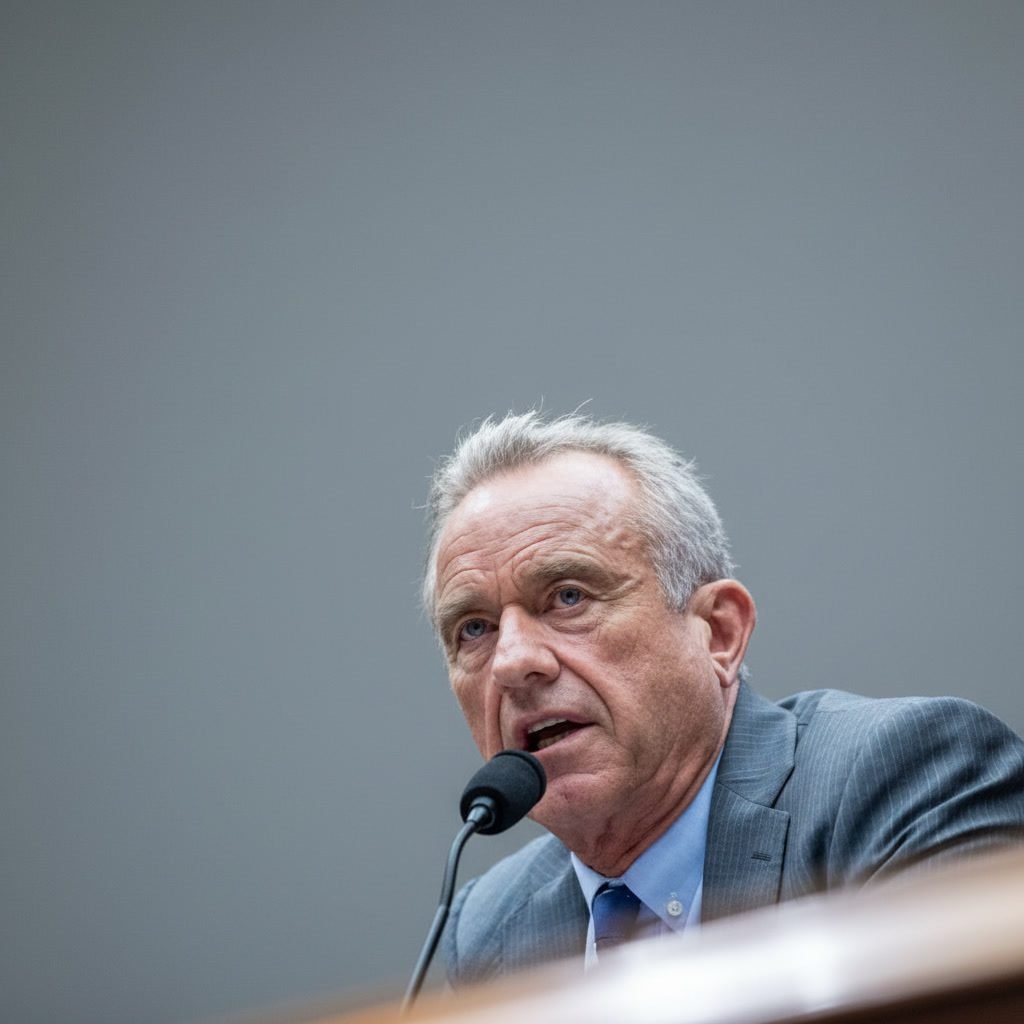
Still, medical specialists warn that making unapproved compounds easier to obtain does not equal proven safety or effectiveness, noting potential risks such as unverified long-term effects and biological pathways that oncologists worry could interact with tumor blood-vessel growth. Meanwhile, it remains unclear whether the move will truly curb gray-market buying, as some longtime users who order directly from overseas suppliers and pay for independent lab checks say they plan to stick with their existing habits.
Science, Oversight, and What Comes Next
With the public comment window closing on November 13, federal officials must decide how to shape longer-term rules around compounded peptides while balancing consumer demand against scientific standards. For patients, doctors, and lawmakers alike, the debate underscores a growing divide in American health policy as RFK Jr. backs peptides despite zero proof they work in large, rigorous human trials.
My View
When government leaders push unproven wellness injections into mainstream pharmacies ahead of solid clinical evidence, they play with public trust and patient safety in the name of trendiness.
People chasing quick fixes for aging, injuries, or weight loss deserve honesty about what science actually knows, not glossy marketing or shortcuts that bypass rigorous testing. Fighting dangerous gray-market sellers is a worthy goal, yet opening the door to poorly studied compounds without firm proof that they safely deliver what they promise sends the wrong message about medical standards.
Real health protection means demanding strong evidence, protecting patients from empty hype, and holding every medical claim to high standards, no matter how loud the social media buzz gets.