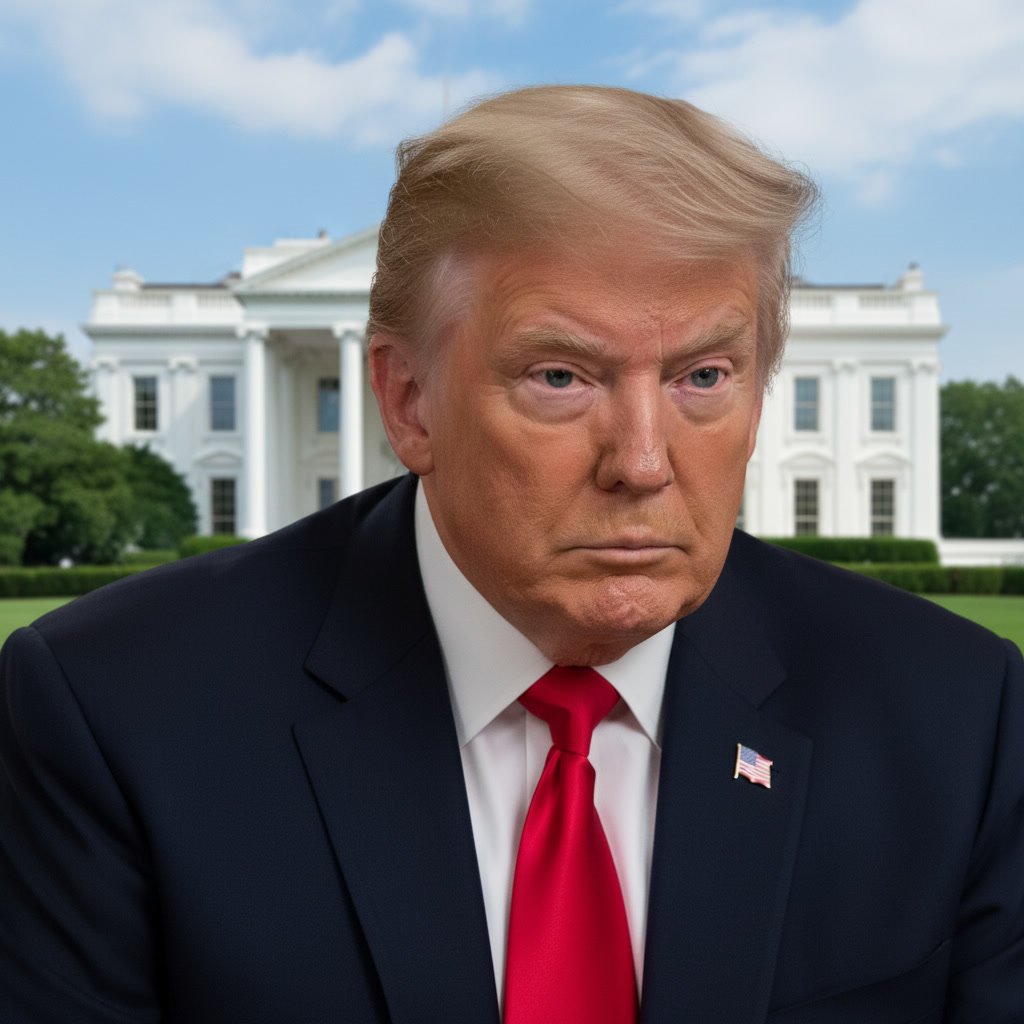

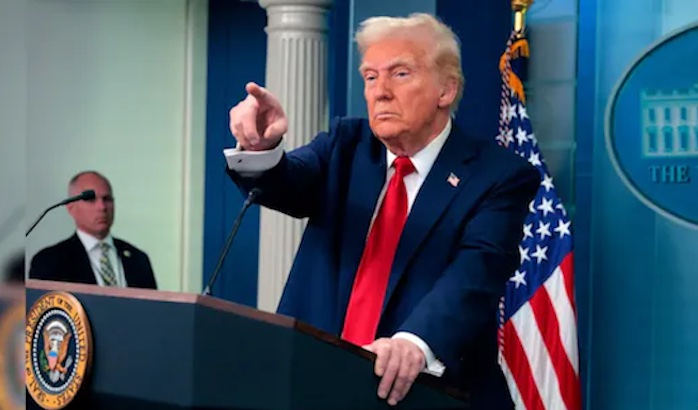
The U.S. Supreme Court has handed the White House a decisive legal victory over border security, as Trump wins Big Bend border wall ruling 8–1 to resume construction along a remote stretch of southwest Texas. In an unsigned five-page order issued on Monday, the justices stayed a preliminary injunction from U.S. District Judge Kathleen Cardone in El Paso that had halted barrier construction across the Big Bend sector, an expansive 341-mile project that runs through Big Bend National Park. The Court concluded that Judge Cardone lacked the legal authority to block the project under federal immigration law, noting that the federal government is exceedingly likely to prevail on jurisdiction and holds compelling national interests in securing the border.
Only Justice Ketanji Brown Jackson dissented from the emergency order, while Department of Homeland Security General Counsel James Percival celebrated the lopsided outcome as proof that the lower court’s freeze was deeply flawed.
The legal battle centers on three sweeping waivers issued earlier this year, first by former Homeland Security Secretary Kristi Noem in February, and later by her successor, Markwayne Mullin, in May and July, that bypassed dozens of environmental, wildlife, and historic preservation laws under the Illegal Immigration Reform and Immigrant Responsibility Act of 1996. Solicitor General D. John Sauer argued that Congress intentionally granted the executive branch broad authority to build border infrastructure without getting bogged down in red tape, warning that halting active construction was costing taxpayers nearly $500,000 a day.
However, the challengers, including the Center for Biological Diversity, the nonprofit Friends of the Ruidosa Church, and local river guide Danny Miller, warn that allowing bulldozers and explosives into the area will permanently scar an irreplaceable desert landscape and threaten cultural landmarks before the courts even rule on the merits of their lawsuit. While the administration points to roughly 89,000 migrant detentions in the region in recent years and warns that leaving Big Bend open creates a gap for smugglers, challengers and federal data show the rugged, sparsely populated sector consistently records the lowest migrant apprehension rates along the entire southern border.
Broader Border Ambitions and Ongoing Litigation
Building a 2,000-mile system of steel walls, vehicle barriers, and surveillance technology along the U.S.–Mexico border remains a cornerstone of President Donald Trump’s immigration agenda, backed by fresh construction funding from the Republican-controlled Congress. Although the underlying lawsuit challenging the legality of the waivers continues in lower courts, the immediate reality is clear: because Trump wins Big Bend border wall, heavy machinery is free to move back into the Rio Grande corridor while litigation plays out.
My View
Allowing contractors to blast canyon walls and tear through a national park before federal judges have even finished deciding if the government acted legally is a reckless abuse of emergency power.
Nobody disputes that a nation has the right to secure its borders, yet good policy requires common sense and basic accountability, not a one-size-fits-all wall slammed through rugged desert terrain that already records the lowest border crossings in the country. Using a 30-year-old statute to sweep aside environmental protections, silence local landowners, and threaten historic sites like Ruidosa Church treats public treasures as disposable obstacles.
Once pristine desert ecosystems and ancient canyon walls are dynamited for steel barriers, no future court ruling can ever put them back together.