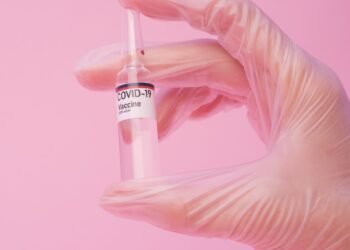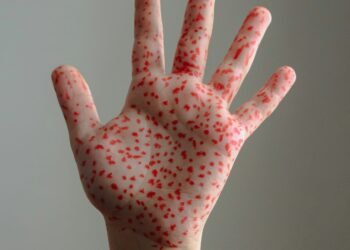
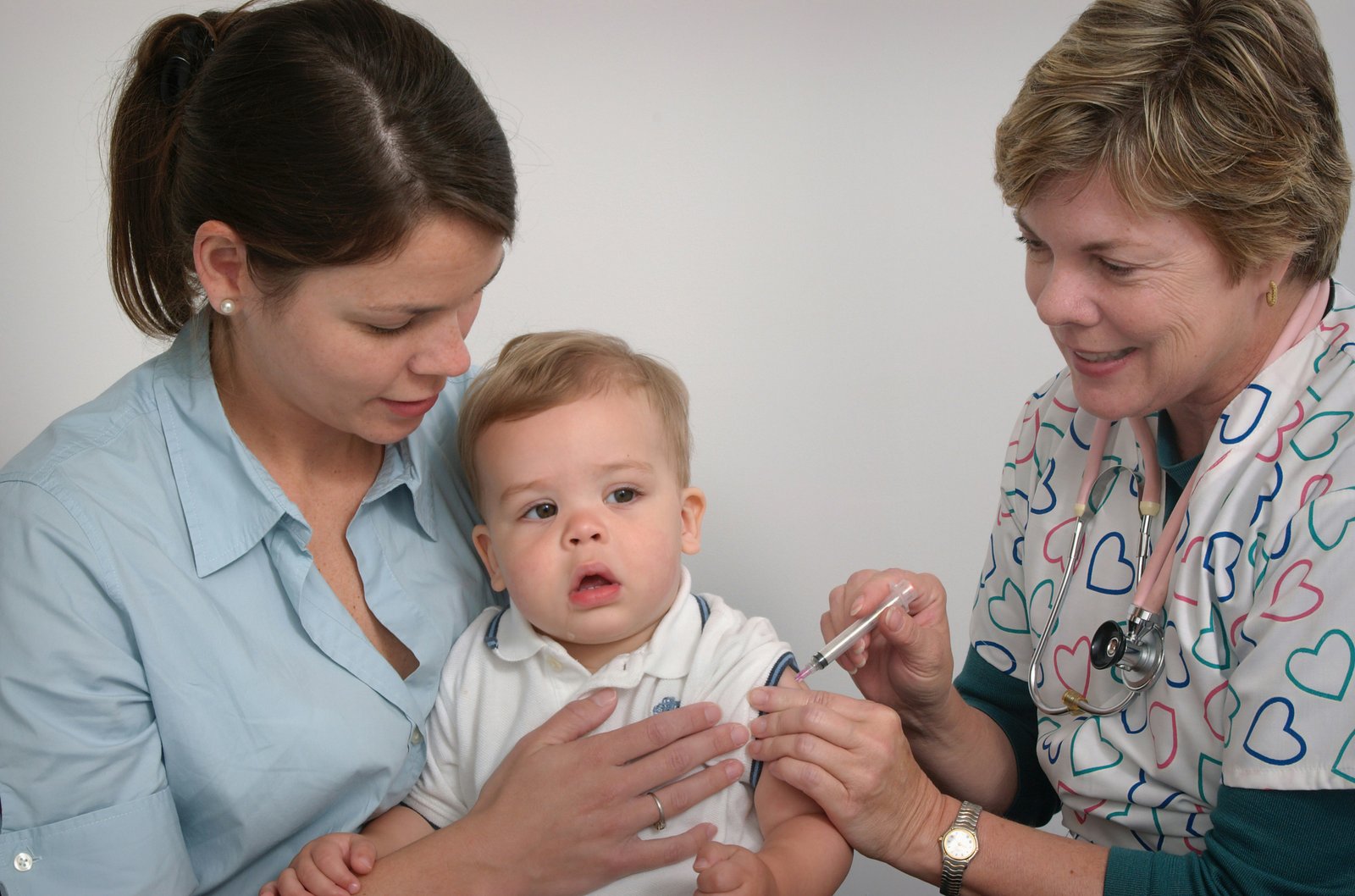

Surging measles cases across the United States are forcing doctors and public health officials to weigh a major question: early measles shots for babies? With the CDC reporting 5,838 confirmed measles cases so far in 2026, more than 1,000 of them in children under age 5 and 12 deaths nationwide (at least half among babies and toddlers), pediatricians are watching infants caught in a widening protection gap. Standard guidance gives the first measles, mumps, and rubella (MMR) vaccine at 12 to 15 months and the second between ages 4 and 6, leaving younger babies exposed as outbreaks spill beyond tight-knit communities.
Why Infants Face Risk, What “Zero Dose” Shots Do
Public health experts say newer research and widespread outbreaks are putting early immunization options squarely under review.
1. Maternal Antibodies Fade Earlier Than Assumed: Babies normally receive temporary antibodies from vaccinated mothers, yet new research shared in October by Vanderbilt University Medical Center’s Dr. Buddy Creech (not yet peer-reviewed) found that less than 20% of 6-month-olds in a 92-pair study kept protective antibody levels, with most losing seroprotection between 4 and 6 months of age.
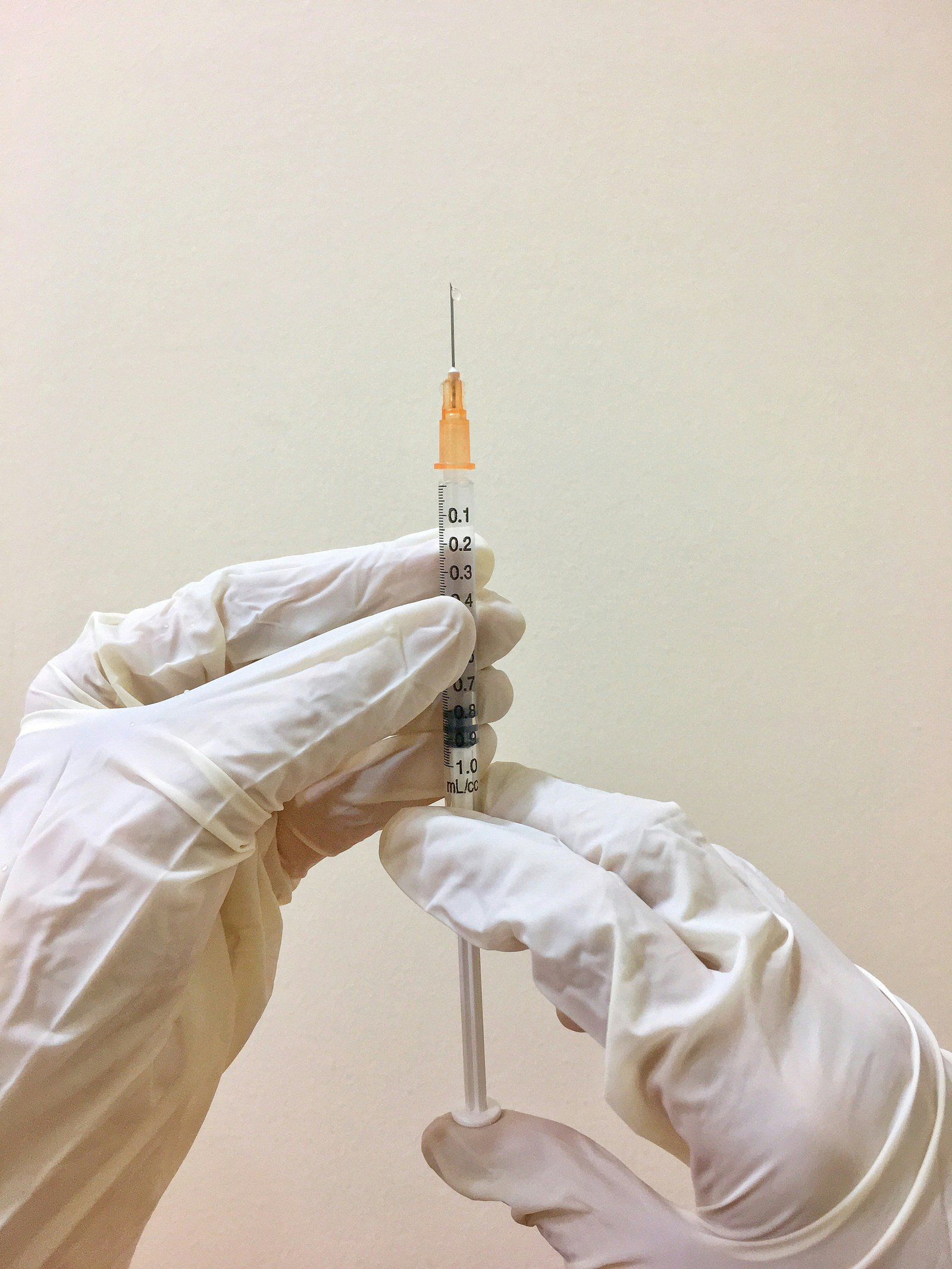
2. How Early MMR Doses Work in Outbreak Zones: In areas with active outbreaks, infants aged 6 to 11 months can receive an early or “zero dose” MMR shot before their two routine doses, and toddlers who already got their first regular dose can get their second dose 28 days later. Data summarized by the University of Minnesota’s Vaccine Integrity Project shows a zero dose is roughly 58% effective at ages 6 to 9 months and 83% effective at 9 to 11 months, while Pennsylvania has administered more than 67,000 early MMR doses since July.
3. Immune Trade-Offs, Insurance Hurdles, and Next Reviews: Specialists including Dr. Heidi Moline note that an early zero dose can sometimes blunt immune response to later routine MMR doses, a trade-off worth taking when community spread is high. Meanwhile, the CDC has not signaled schedule changes yet, the American Academy of Pediatrics plans a broader immunization review early next year, and some families and pediatricians have reported insurance claim denials for early shots.
Balancing Urgent Protection With Long-Term Policy
Measles is one of the most contagious viruses in circulation and can cause severe complications like pneumonia, brain swelling, and rare fatal subacute sclerosing panencephalitis (SSPE) years later. As outbreaks test childhood defenses, the debate over early measles shots for babies comes down to protecting vulnerable infants today while making sure vaccine schedules and insurance coverage stay clear and reliable.
My View
When parents hear that measles is spreading and infants are getting hospitalized or losing their lives, waiting around in confusion is the last thing any family needs.
Doctors and public health agencies are right to follow the evidence carefully, weigh short-term protection against long-term immune response, and update guidance responsibly when disease patterns shift. At the same time, when health authorities recommend early doses during active outbreaks, insurance companies should not stand in the way with surprise denials or confusing billing rules.
Every child deserves straightforward, science-backed protection from preventable diseases, and parents deserve straight answers from trusted medical experts without political noise getting in the way.