• Home
  • News
  • Entertainment
  • Tech
  • Fashion & Lifestyle
  • Food & Nutrition
  • Health
Federal Character
No Result
View All Result
Federal Character
  • Home
  • News
  • Entertainment
  • Tech
  • Fashion & Lifestyle
  • Food & Nutrition
  • Health
No Result
View All Result
Federal Character
No Result
View All Result
Umbilical Hernia: Types, Symptoms, and Causes

Umbilical Hernia: Types, Symptoms, and Causes

Christabel EgbeamabyChristabel Egbeama
2 years ago
in Health
Reading Time: 3 mins read
A A
0
Facebook ShareWhatsapp ShareX Share

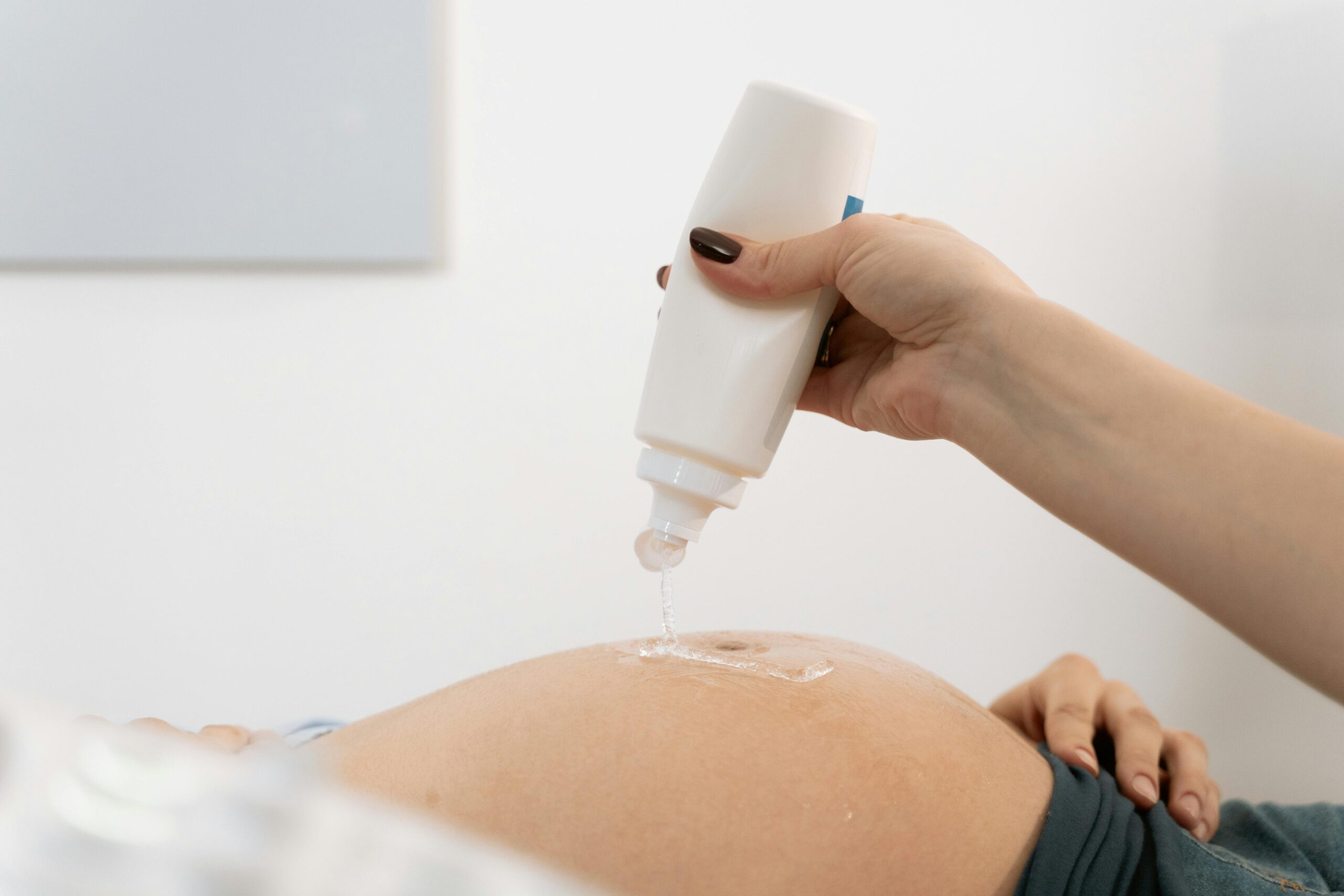
As the name implies, umbilical hernia is a type of hernia that is particular to infants, especially those who are born prematurely or have a very low weight at birth. This condition affects about 15 to 23% of newborns. However, this condition affects women, especially those who are pregnant or have given birth multiple times. Let us look at the symptoms and causes of umbilical hernia in children.

Photo by derneuemann

Table of Contents

Toggle
  • The Umbilicus
  • Types of Umbilical Hernia 
  • Symptoms of Umbilical Hernia 
  • Causes of Umbilical Hernia 
  • Conclusion

The Umbilicus

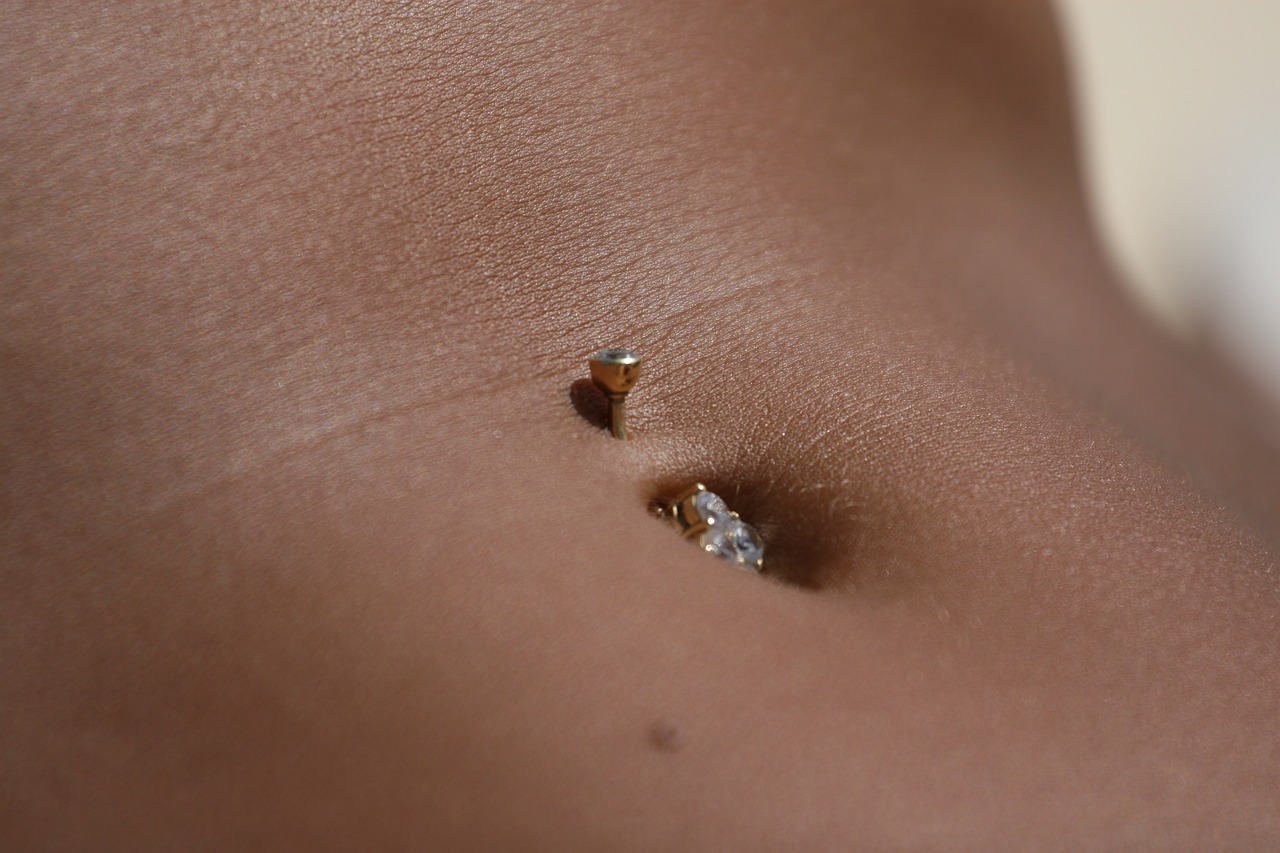
The umbilicus AKA the belly button, is located at the center of the abdomen.  This typically small round depression is a site where the umbilical cord was attached to the baby during fetal development.

Before you were born, the umbilical cord was basically your lifeline. Basically, this means that the umbilical cord connects you to your mother and gives you all the oxygen and nutrients that you need to grow. Plus, it also gets rid of waste.

However, when you are born, the doctor cuts the cord off and what’s left of the cord dries up and falls off, leaving behind what you know now as the belly button. The hole that the cord passes through, called the umbilical ring, usually closes as the body heals.

Most of the time, that hole, also known as the umbilical ring in the belly button area, closes on its own as the muscle gets stronger. But if it doesn’t close properly, or if the muscles around the area are weak, part of the intestine pushes out through the opening and creates a bulge. This is what we call an umbilical hernia.

Types of Umbilical Hernia 

At the start of the article, we made mention that umbilical hernia is particular to infants. However, it does occur in adults, which means that umbilical hernia are two types, namely; infant umbilical hernia and adult umbilical hernia.

Infant umbilical hernia: This happens when the baby’s belly muscles don’t fully close after they are born. This leaves a small opening close to the belly button, which allows part of the intestine to poke out, making a bulge. You usually notice it when the baby cries. But the only good news is that these hernias aren’t painful and usually fix themselves by the time the baby turns 1 or 2.

Adult umbilical hernia: For adults, this hernia happens when the muscle around the belly button is weak, which causes the tissues or part of the intestine to push out. The bad news is that these hernias need surgery to fix them.

Incarcerated & strangulated umbilical hernia: An incarcerated hernia happens when the bulged tissues get stuck in the umbilical ring and cannot be pushed back in. While a strangulated hernia is worse because the tissue trapped in the hole loses its blood supply, which causes pain and can be even more dangerous.

Symptoms of Umbilical Hernia 

  • Bulge near the belly button
  • Swelling around the navel
  • Pain, especially when coughing or straining
  • Tenderness around the hernia
  • Nausea or vomiting
  • Constipation or difficulty passing gas

Causes of Umbilical Hernia 

Umbilical hernia happens for different reasons, both in adults and in babies. One of the major causes of this is genetics. Some people are just born more likely to have an this hernia.

For adults, pregnancy, being overweight or even having a bad cough can increase the pressure on the stomach and make hernia more likely.  Overtime, it is possible for the muscles in the abdomen to get weak, which makes it easier for tissues or the intestine to push through the umbilical ring.

While in babies, if they have a low weight at birth or they are born prematurely, the muscles around their belly might not have developed fully, which increases their chances of getting a hernia.

Conclusion

The thing about this hernia is that most people don’t know that you have it unless their belly button begins to hurt or it begins to grow bigger than usual.

Remember, “a stitch in time saves nine”. So when you observe something like that in both yourself or your child, it’s important that you go in for a checkup. If you notice things like nausea, vomiting, fever, or even a redness around your belly button, it could be a sign that something is seriously wrong and you need medical assistance as soon as possible.


Tags: and Causesfederal characterhealthsymptomsUmbilical Hernia: Types
Share234SendTweet146
Christabel Egbeama

Christabel Egbeama

Christabel Egbeama is a health writer and aspiring consultant engineer who recently completed her bachelor's degree in civil engineering. Her passion for safety in the construction industry led her to delve into public health writing. Having undergone training in health, safety, and environment, Christabel has established a foundation rich in comprehending the broader spectrum of health and its benefits for individuals across various ages and professions. She now produces compelling holistic health articles aimed at guiding individuals towards informed decisions for a healthier tomorrow, encouraging lifestyle modifications.

Related Stories

Deadly Outbreak Spreads in Plateau – Officials Confirm New Wave of Lassa Fever Illness

Deadly Outbreak Spreads in Plateau – Officials Confirm New Wave of Lassa Fever Illness

bySomto Nwanolue
0

Plateau State is grappling with a rapidly expanding outbreak of Lassa Fever, a deadly viral haemorrhagic disease, with health officials confirming 11 new cases and four deaths across...

Why Health Officials Are Begging Parents Not to Give Their Kids Raw Milk

Why Health Officials Are Begging Parents Not to Give Their Kids Raw Milk

bySomto Nwanolue
0

Health officials are issuing desperate pleas to parents following the tragic death of a newborn from a listeria infection, a case they have directly linked to the dangerous...

The Nipah Virus Spreading in India Has the WHO on Edge

The Nipah Virus Spreading in India Has the WHO on Edge

bySomto Nwanolue
0

An outbreak of the deadly Nipah virus in India has triggered a coordinated international monitoring effort, with health authorities across three continents issuing warnings and activating border controls...

The Next Pandemic? How a Deadly Virus Outbreak in India Is Spreading Panic at Airports

The Next Pandemic? How a Deadly Virus Outbreak in India Is Spreading Panic at Airports

bySomto Nwanolue
0

A deadly outbreak of the Nipah virus in India has triggered a wave of anxiety across Asia, prompting neighboring countries to enact emergency airport screenings in a desperate...

Next Post
Fetal Alcohol Syndrome (FAS): Definition, Effects, and Causes

Fetal Alcohol Syndrome (FAS): Definition, Effects, and Causes

Leave a Reply Cancel reply

Your email address will not be published. Required fields are marked *

We bring to you precise and factual news

Recent Posts

  • Why the U.S. Rejected Russia’s Proposal to Take Iranian Uranium
  • Iran Offers to Yield Oman Side of Hormuz to End U.S. Siege
  • Alcaraz Pulls Out of Barcelona Open After Wrist Injury, Faces Setback in Title and No.1 Pursuit

Categories

  • Business and Finance
  • Entertainment
  • Fashion & Lifestyle
  • Food & Nutrition
  • Government
  • Health
  • News
  • Politics
  • Sports
  • Tech

Weekly Newsletter

  • About
  • Advertise With Us
  • Cookie Policy

Copyright © FederalCharacter.com 2026 .

Welcome Back!

Login to your account below

Forgotten Password?

Retrieve your password

Please enter your username or email address to reset your password.

Log In
No Result
View All Result
  • Home
  • News
  • Entertainment
  • Tech
  • Fashion & Lifestyle
  • Food & Nutrition
  • Health

Copyright © FederalCharacter.com 2026 .