African leaders attending this year’s United Nations General Assembly have once again called for reforms to the Security Council, insisting that countries from the continent should be given permanent representation on the body.
Several African heads of state who have addressed the General Assembly since its opening on Tuesday have criticised the continent’s absence from the council’s permanent membership, particularly as African nations continue to deal with the effects of major global security crises.
The conflicts between Russia and Ukraine, Israel and Hamas, as well as the more recent war between the United States and Iran, have featured prominently at this year’s gathering.
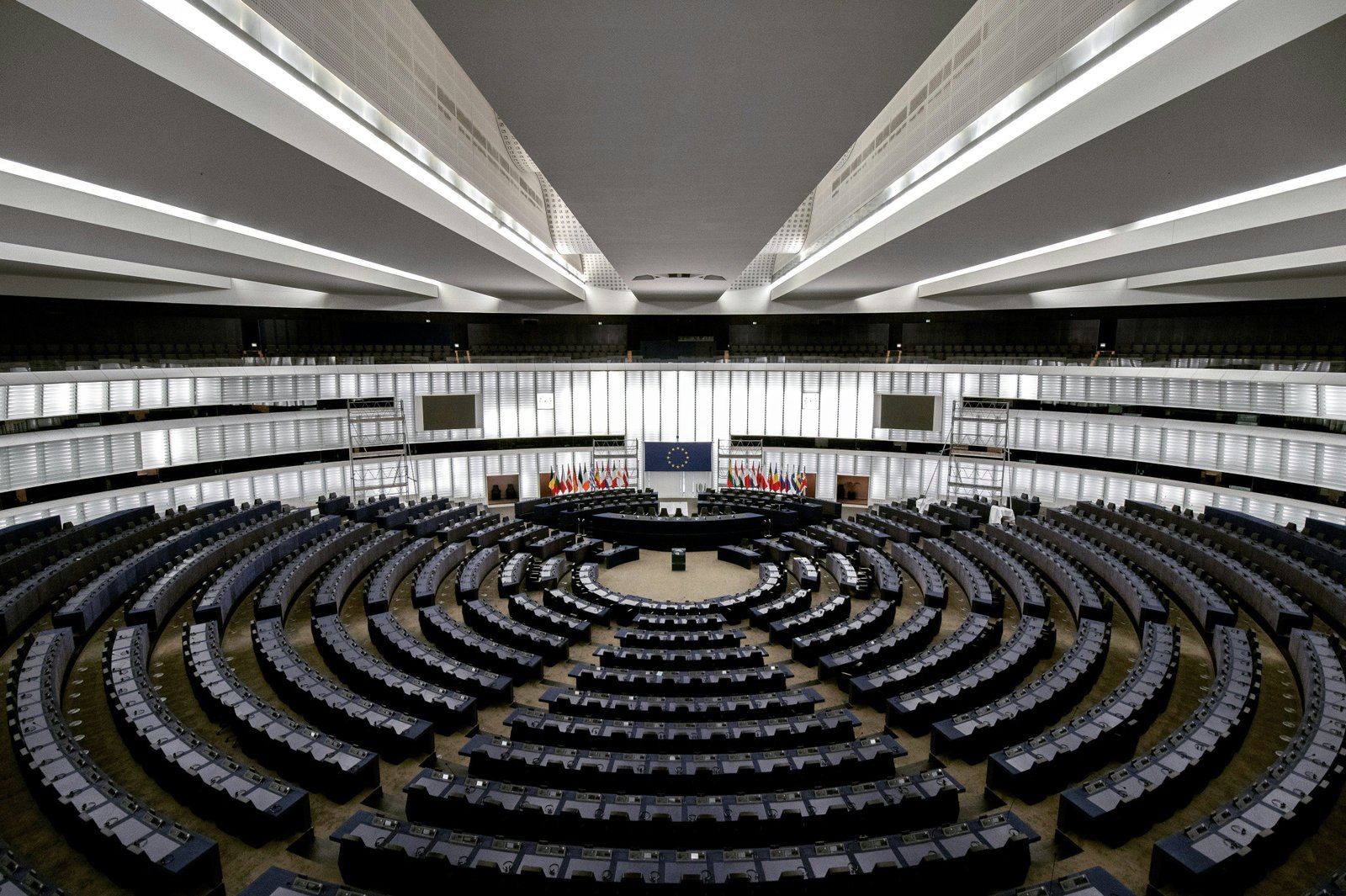
The UN Security Council has 15 members, with the United States, Russia, France, the United Kingdom and China holding permanent seats and veto powers.
The remaining 10 seats are occupied by countries elected by the General Assembly for two-year terms on a rotating basis. African countries currently occupy three of the non-permanent positions.
Calls For Reform Intensify
Although African countries have repeatedly demanded permanent representation on the Security Council, some leaders argue that the current global conflicts have made the need for reform more pressing.
They have questioned whether the council can fully represent the interests of the international community when a continent with a large population and a significant number of UN member states has no permanent seat.
Kenyan President William Ruto highlighted the disparity in his address to delegates on Wednesday.
“Every nation is sovereign and equal under the (U.N.) charter. Yet, on the gravest question of war and peace, five nations possess a permanent power that the other 188 do not. The equality proclaimed in this assembly ends at the doors of the security council,” Ruto said.
African leaders have also pointed to the continent’s population and its large number of UN member states as reasons for greater representation in the organisation’s highest decision-making structure.
The renewed calls form part of the broader debate over reforming the Security Council and ensuring that its composition reflects the wider membership of the United Nations.