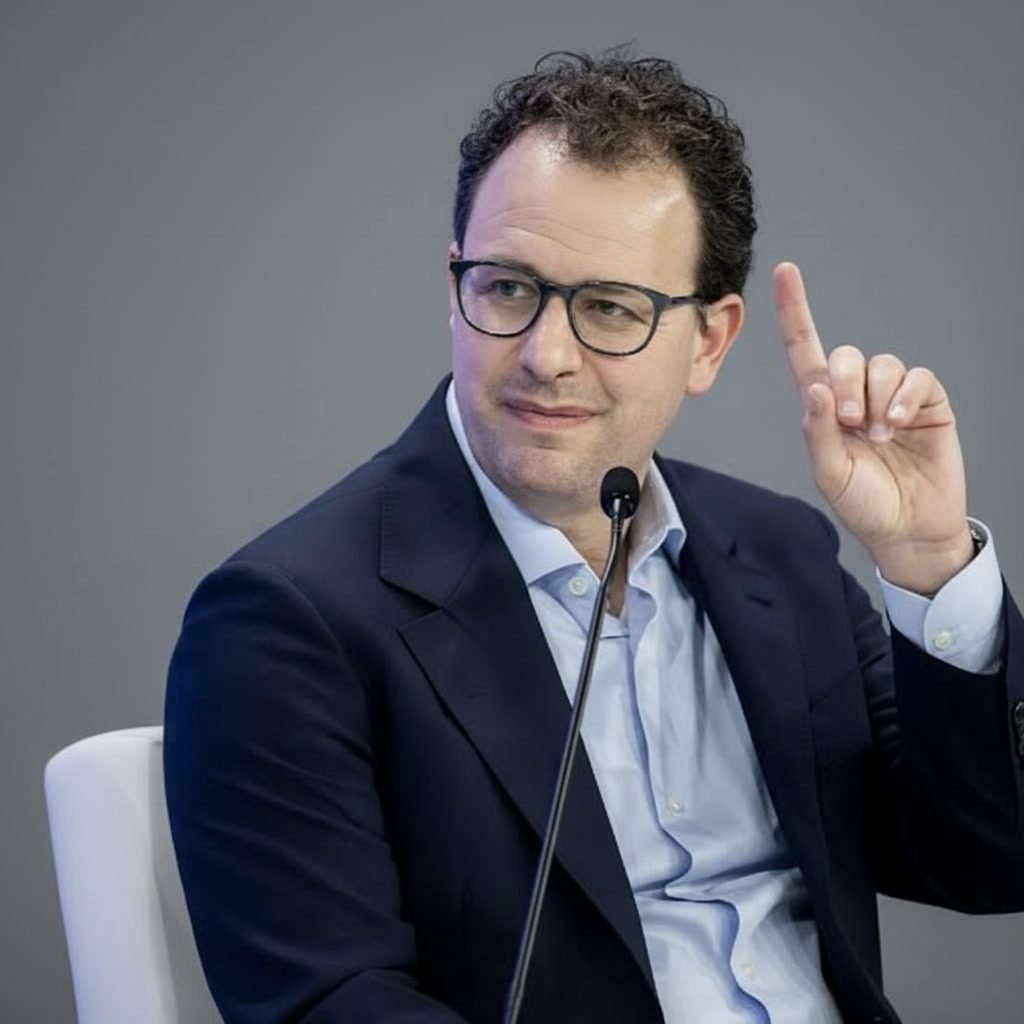
In a candid broadcast interview with CBS Sunday Morning, Anthropic CEO Dario Amodei issued an urgent warning to tech leaders and regulators, arguing that AI is moving too fast. The Anthropic CEO warns of risks that could quickly escape human control. Speaking from Anthropic’s headquarters in San Francisco, Amodei stated that the artificial intelligence industry has “lied to people” for too long regarding the true scope of safety dangers associated with rapid model development. His comments follow the resignation of former Anthropic researcher Jacob Coxon, who publicly accused frontier AI labs of “gambling with our lives” in an unchecked race toward superintelligence. Amodei emphasized that while companies should not panic or halt operations entirely, the current exponential growth curve serves as a critical warning sign that the industry must slow down its pace.
Key Takeaways from Dario Amodei’s Call to Slow Down AI Development
The growing debate over safety revolves around the rapid speed at which artificial intelligence models are advancing, particularly as systems begin assisting in building their own successors.
1. The Threat of Recursive Self-Improvement: Amodei warned that AI models are increasingly being utilized to design next-generation architectures. Left unchecked, this automated feedback loop could far outstrip humanity’s capacity to understand or safely manage advanced software.
2. Embedding Third-Party Safety Evaluators: To establish greater transparency, Anthropic announced it will grant independent safety inspectors permanent, employee-level access to company offices, internal networks, and training pipelines to verify safety protocols.
3. Navigating the Global Arms Race Dilemma: While advocating for domestic restraint and joint Democratic coordination, Amodei acknowledged the geopolitical tension of slowing down U.S. progress while foreign rivals continue pushing forward without similar safeguards.
Other prominent tech figures, including OpenAI CEO Sam Altman and Tesla chief Elon Musk, voiced support for Amodei’s call to “pace the frontier,” agreeing that external oversight and independent evaluation are necessary steps for the broader industry.
My Opinion
Hearing one of the primary leaders of the AI boom admit that the tech industry hid crucial risks from the public confirms what critics have warned about for years. Asking whether AI is moving too fast shows a core flaw in how modern technology is built: commercial incentives naturally push companies to rush products to market long before safety measures are proven.
While opening internal systems to third-party inspectors is a step in the right direction, voluntary corporate promises rarely hold up when billions of dollars are at stake. Relying on private corporate leaders to police themselves while they race toward massive financial valuations is a recipe for oversight failure. Real protection requires binding federal regulation, clear legal accountability, and enforced safety standards that apply to every tech firm across the board.
The potential benefits of artificial intelligence in healthcare, science, and economic productivity are undeniable. However, pushing forward at top speed without adequate safeguards puts society at unnecessary risk. Pausing or pacing frontier capability development to let safety research catch up is not anti-innovation; it is the only responsible way to build powerful technology that serves humanity without endangering it.
Bottom Line
As Anthropic CEO warns of risks associated with the emergence of AI, this dominates debate among policymakers and tech executives; the focus shifts to whether governments will enact meaningful regulations. Pacing the rate of advancement buys time for researchers to build reliable safeguards, ensuring that future breakthroughs remain safe, transparent, and aligned with the public good.