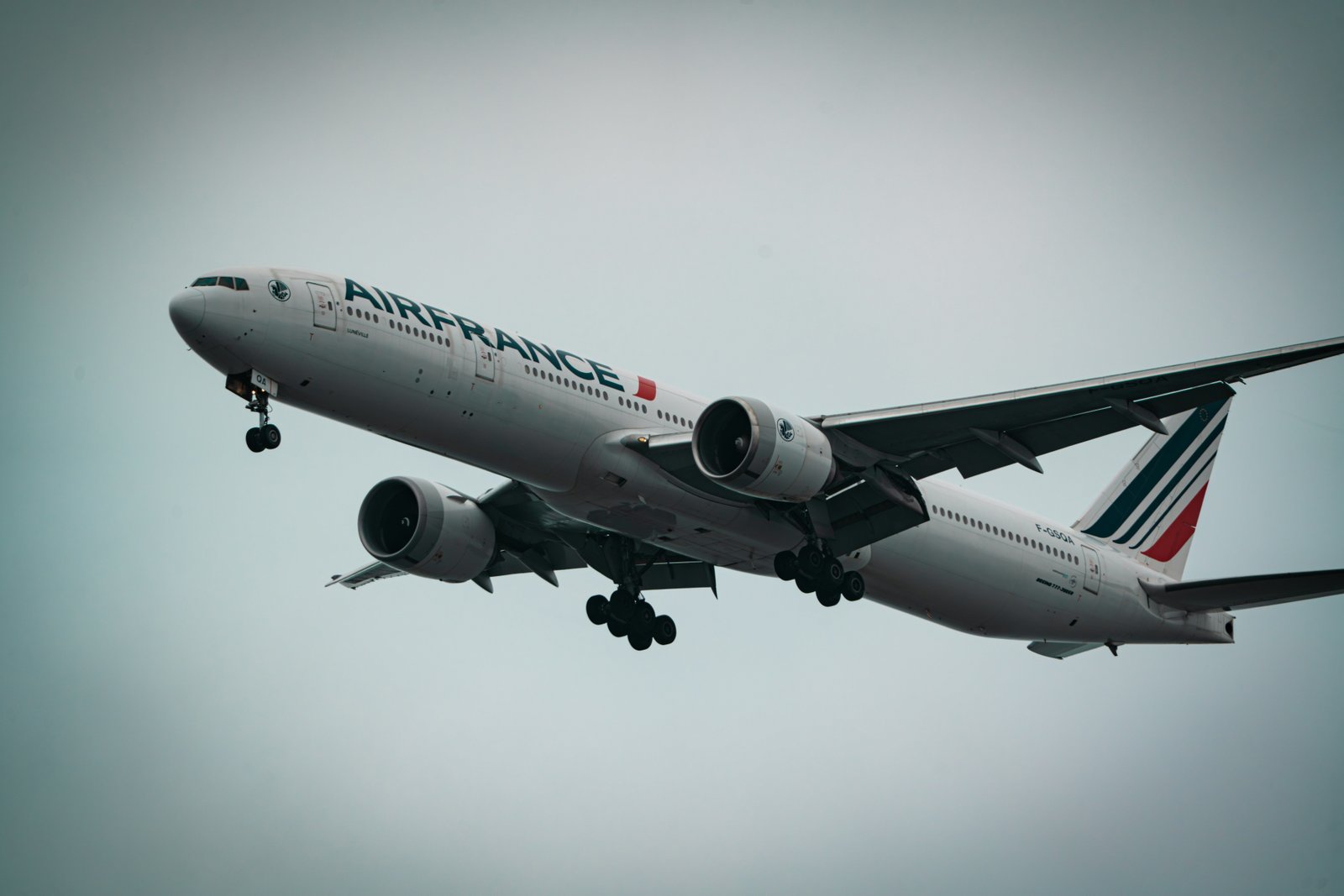

Air France has confirmed that it is following new Israeli rules that restrict certain foreign nationals from serving as pilots or cabin crew on flights to Israel. The measure reportedly covers citizens of 31 countries, most of them Muslim-majority nations, including Iran, Pakistan, Saudi Arabia, Algeria and Tunisia.
The airline told Al Jazeera that it had notified employees affected by the restrictions, explaining that it must observe the entry requirements imposed by the countries in which it operates.
“Like all airlines, Air France is required to comply with the entry regulations established by the authorities of the countries it serves, both for its customers and employees,” the airline said.
“The staff concerned have been informed of the new regulations implemented by the Israeli authorities for flights to Tel Aviv,” it added.
Israeli broadcaster N12 reported that the country’s Ministry of Transport and Road Safety sent a notice to international airlines on October 1. Under the directive, pilots and cabin crew assigned to flights entering Israeli airspace must not possess the nationality, or dual nationality, of countries that have no diplomatic relations with Israel.
The countries reportedly affected include Oman, Niger, Iran, Pakistan, Saudi Arabia, Algeria and Tunisia, among others.
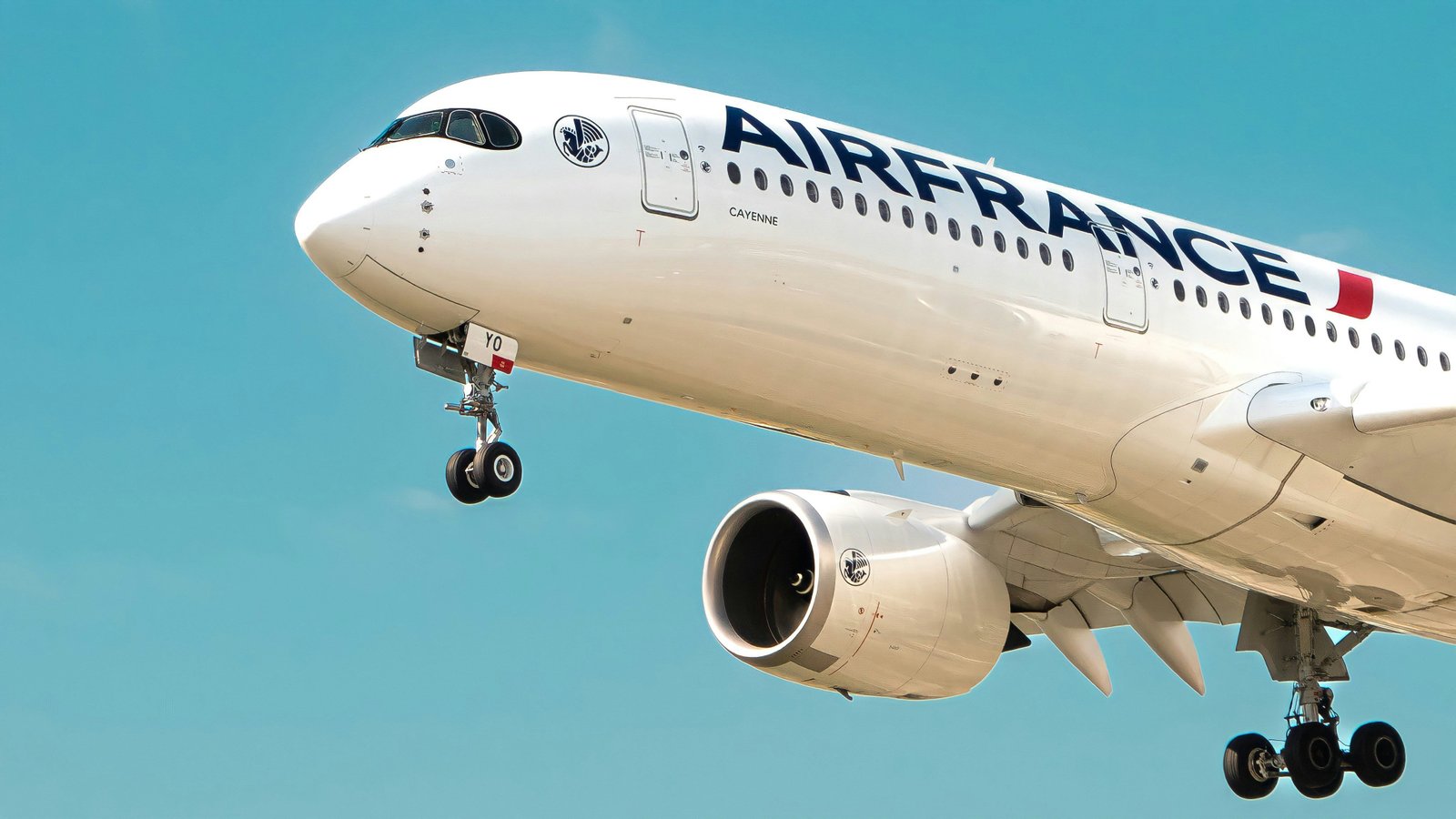
The restrictions followed an alleged hijacking attempt involving a Flydubai flight travelling from Dubai to Tel Aviv on September 30. Emirati and Israeli authorities said an Omani co-pilot allegedly attacked the Indian pilot and attempted to seize control of the aircraft before crashing it into Ben Gurion Airport. The pilot is receiving hospital treatment.
The extent of the directive’s effect on international aviation remains uncertain, although it could affect airlines operating routes into, out of or across Israeli airspace.
Smartwings confirms receipt of directive
Air France is not the only carrier to acknowledge the new requirements. Czech airline Smartwings said it had received the notice but maintained that its operations and crew deployment had not been disrupted.
“We received the directive from the Israeli authorities in September 2026. We have carefully reviewed the directive and continue to monitor and comply with all applicable requirements issued by the relevant authorities.
“At present, the directive does not have any impact on our operations, crew management procedures, or the deployment of crew members on flights to and from Israel,” Smartwings spokeswoman Vladimira Dufkova told Al Jazeera.
United Airlines declined to provide further information. Its response did not establish whether it had received the directive or made changes to its crew assignments.
Mediapart, a French investigative publication, also reported seeing an internal memo circulated to Air France pilots and cabin crew. The document reportedly cautioned that “failure to comply with this directive would expose Air France and the employee to potential sanctions”. The publication’s account of the memo could not be independently confirmed.
The policy has raised questions about whether airlines could face legal consequences at home for implementing restrictions based on employees’ nationality.
Paris-based anti-discrimination lawyer Clara Gandin told Al Jazeera that Air France’s compliance could conflict with French employment law if staff were treated differently because of their nationality.
“The measure rests on a collective presumption which amounts to a discriminatory bias: Every national of these 31 countries, most of them Arab or Muslim-majority, is treated as a potential security threat,” Gandin said.
“Article L1132-1 of the French Labour Code prohibits any discriminatory measure based on a person’s actual or perceived nationality, in particular regarding assignment, pay and discipline,” she added.
Gandin argued that the policy could also constitute indirect discrimination based on a person’s origin and potentially perceived religion, given the composition of the list of affected countries.
Legal questions over national and international rules
The dispute highlights the difference between a country’s authority to control entry into its territory and an airline’s obligations under the employment laws applicable in its home country.
Vincent Correia, a professor of air law at McGill University in Canada, said international aviation law recognises a state’s sovereignty over its territorial airspace.
He also cited Article 13 of the 1944 Chicago Convention, which permits countries to enforce regulations governing the admission of passengers and crew members.
Correia noted that crew members from countries without diplomatic relations with Israel were already prohibited from flying there, suggesting the new directive would have its greatest practical relevance for people holding dual nationality.
Gandin, however, maintained that Israel’s authority to set entry conditions did not automatically remove airlines’ responsibilities under their domestic laws.
She said Air France could consider suspending routes affected by the restrictions or seek intervention through the French government, the French Civil Aviation Authority or the European Union.
Employees who believe they have suffered discrimination could pursue compensation, while trade unions could bring legal proceedings, she said.
The lawyer also raised concerns about data protection, warning that collecting nationality information from employees could create legal issues if the information was not directly necessary for their work.
Mediapart reported that Air France had considered asking crew members to disclose voluntarily whether they fell under the restrictions. The Alter union, which represents flight deck crew, reportedly persuaded management against proceeding, arguing that the proposal would amount to “discrimination based on nationality”.
The broader consequences for international aviation have yet to become clear. Correia warned that if other countries adopted similar nationality-based restrictions, airlines could face additional difficulties coordinating crew schedules and maintaining flight operations.