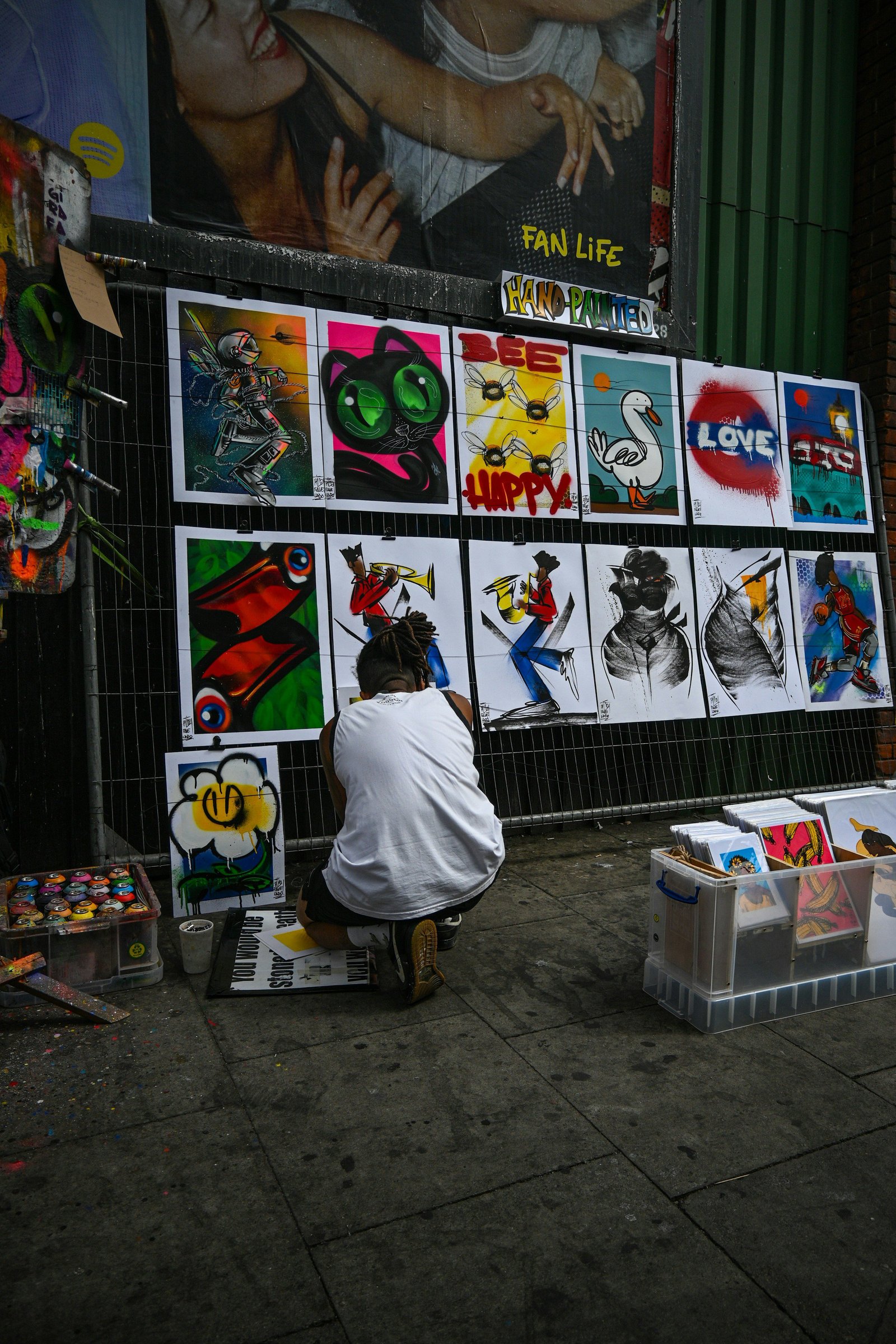

A growing wave of painters, photographers, and illustrators are walking away from Facebook and Instagram as artists quit Meta over AI theft and push back against proposed terms of service that critics say treat creators’ work as free training material for generative AI. Following a CNN report highlighting interviews with more than a dozen creators across the U.S., the U.K., and Canada, many independent artists say their livelihoods are being undercut by AI-generated copycats and automated data scraping. Even though Meta paused its planned policy rollout on November 5, 2026, after earlier shifts from October 30 to November 20, many creators say the damage to trust is already done and are moving toward platforms like Substack and Patreon or scaling back their presence altogether.
Copycats, Scraping Fears, and the Search for Safer Spaces
For working creatives, the clash over Meta’s policies goes beyond legal fine print and hits directly at income, brand identity, and consent.

U.K. watercolor artist Matty Burnham discovered an account impersonating his paintings in 2024, generating AI versions of his work and selling them across fake profiles tied to Shopify, Instagram, and Facebook. In Rochester, New York, contemporary artist Andrew Scott said an impersonator admitted using his original art to make AI videos that racked up 50 million views on Instagram while continuing to pump out lookalikes.
Artists such as photographer Samantha Waldron in Wisconsin and Megan Wimberley in Oklahoma have deleted accounts, stripped external links, or started stepping back after learning proposed terms would allow automated scraping of public pages and linked portfolios without explicit permission. Some creators even joined a “Meta blackout” from October 30 to November 6 to protest the changes.
Tools and Pushback From Industry Voices: While Meta points to its Intellectual Property Reporting Center and Google recently launched its public SynthID Detector tool to help verify AI-watermarked media, advocates like Society of Illustrators board member Tim O’Brien and Guild of Artists and Artisans director Nicole McKay warn that takedown forms and pauses do not fix underlying consent and compensation gaps.
A Tough Trade-Off Between Reach and Ownership
Leaving major social networks is no easy choice when millions of buyers and fans scroll Instagram and Facebook every day. Still, artists quit Meta over AI theft because sharing finished work without clear consent can let algorithms and copycats mimic their style at breakneck speed.
My View
Nobody who spends years learning how to paint, frame a photograph, or shape clay should wake up to find a machine churning out cheap knockoffs of their style for someone else’s profit.
Tech companies love to talk about innovation and open ecosystems, yet innovation loses all credibility when it builds on uncompensated creative labor and vague terms that regular users barely notice until it is too late. Pausing a policy change helps buy time for conversation, but artists need clear opt-in consent, real protection against impersonation, and fair rules that respect human authorship.
If platforms treat creators like raw data instead of partners, the best human voices and visual storytellers will simply take their work somewhere else. Good art comes from lived experience and patient hands, and no algorithm can fake that.