
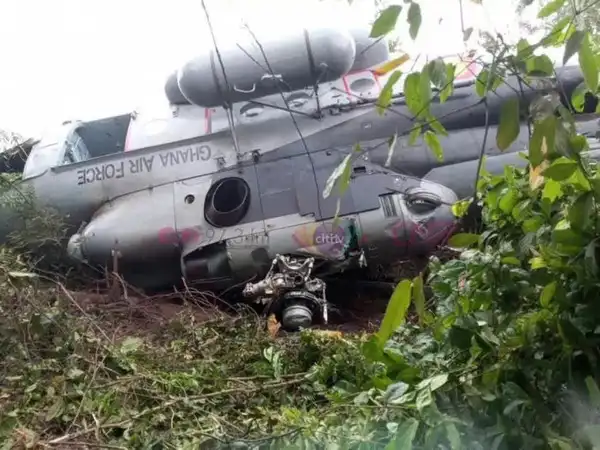
An official investigation has pinned the catastrophic helicopter crash that killed Ghana’s Defence and Environment Ministers on “poor weather,” specifically a sudden downdraft, but a closer look at the report reveals a military fleet operating with critically outdated safety technology.
The Z9 military helicopter, which plummeted into a dense forest in August, was found to be “airworthy” but was missing a crucial Terrain Awareness and Warning System (TAWS)—a modern device that alerts pilots to impending ground collisions. The 13-year-old aircraft lacked this and other key navigational systems, according to the investigative panel.
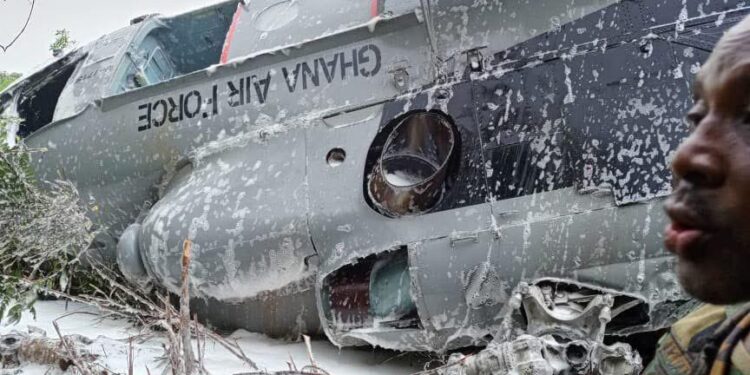
While investigators concluded a weather phenomenon caused the loss of altitude, the absence of basic safety equipment raises urgent questions about the state of Ghana’s military aviation. The report itself recommends the immediate modernization of the Ghana Air Force fleet, a tacit admission that the aging helicopter was unprepared for the very emergency it encountered.
Why It Matters
Blaming the weather is a convenient conclusion, but it’s an incomplete one. This tragedy is less about an act of God and more about a failure of procurement and maintenance. A military helicopter carrying two senior government ministers was, by the state’s own admission, flying without the standard safety systems that have been commonplace in global aviation for decades.
The downdraft was the trigger; the real cause was a system that allowed a vital national asset to fly in a compromised state. To dismiss this as a weather-related incident is to ignore the glaring, man-made vulnerabilities that turned a meteorological challenge into a national disaster.