
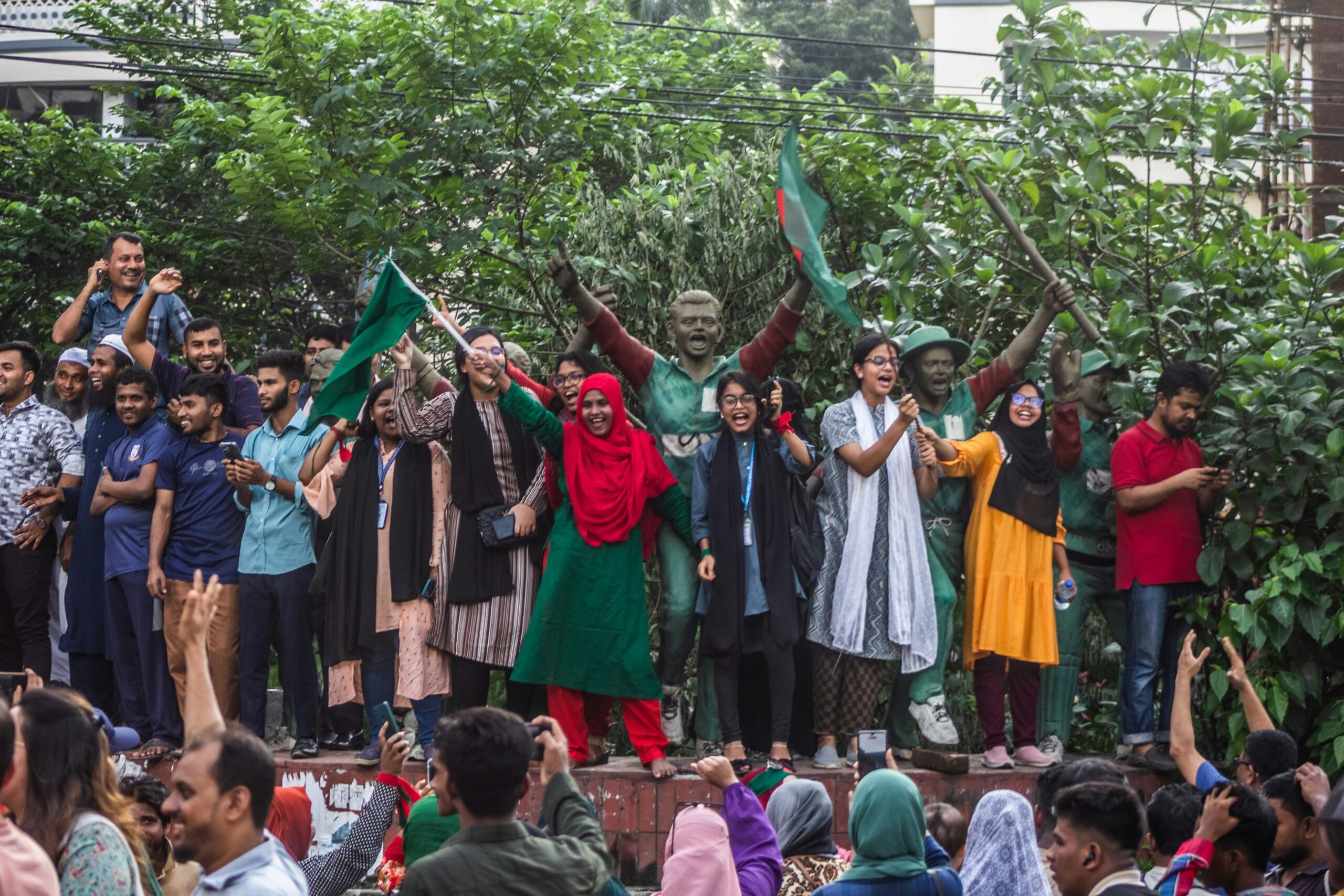
A youth-driven political party that rose from the ashes of Bangladesh’s 2024 uprising is now tearing itself apart, facing an open internal revolt after its leadership sealed a secretive election alliance with the hardline Islamist group Jamaat-e-Islami—a desperate gambit that analysts warn could annihilate the movement’s future and hand power back to the old political guard.
The National Citizen Party (NCP), formed by the Gen-Z activists who helped oust long-time Prime Minister Sheikh Hasina, announced the controversial pact on Sunday. The backlash was immediate and brutal: at least 30 senior leaders have openly revolted, with several, including prominent figure Tasnim Jara, resigning in protest just weeks before the nation goes to the polls on February 12.
“Your Centrist Idea and Ideology Will Simply Vanish”
The alliance is a shocking pivot for a party that billed itself as a secular, progressive alternative to the dynastic politics of Hasina’s Awami League and Khaleda Zia’s Bangladesh Nationalist Party (BNP). Political analysts are blunt about the consequences.
“The NCP presented itself as a youth-driven alternative to traditional power structures. That identity is now under serious strain,” said academic H.M. Nazmul Alam. Professor Asif Shahan of the University of Dhaka was more dire: “If you go with Jamaat, it will help Jamaat, not you. It will give them a liberal cover, and in return, you will become a force for the right. Your centrist idea and ideology – already poorly defined – will simply vanish.”
A “Majority Decision” or a Coup From the Top?
NCP chief Nahid Islam, 27, defended the move at a press conference, claiming the recent assassination of uprising leader Sharif Osman Hadi forced the party to seek “greater unity” against forces trying to “sabotage the election.” “This was a majority decision within the party,” Nahid stated, adding that dissenters were “free to take their own decisions.”
However, this justification rings hollow to rebels within. The party has long been hampered by scarce funds, weak organization, and an unclear stance on critical issues like women’s and minority rights— flaws that made it vulnerable to a pact with the better-established Jamaat, which had been barred from elections for over a decade until restrictions were lifted last year.
Why It Matters
The meltdown offers a lesson for youth movements across South Asia, including in neighbouring Nepal, where similar protests have toppled a government. It exposes the brutal challenge of converting the energy of the street into the cold calculus of electoral politics.
For rebels like Tasnim Jara, who left a career in Britain to join the NCP, the betrayal is profound. “I promised you and the people of this country that I would fight for you and for building a new political culture,” she wrote on Facebook as she launched an independent bid. “Whatever the circumstances, I am determined to keep that promise.”
The NCP’s pact may have been a short-term tactical play for survival, but it has triggered a long-term existential crisis. The party born to challenge the establishment now stands accused of becoming its tool, sacrificing its soul in a backroom deal that could see its own base abandon it at the ballot box. The revolution, it seems, is now devouring its youngest children.