Burkina Faso’s military-led parliament has unanimously voted to reinstate the death penalty for crimes including terrorism, espionage, and treason, reversing a 2018 abolition and marking a significant hardening of the junta’s approach to security.
All 71 members of the Assemblée législative du peuple present on Tuesday voted in favor of the new penal code, according to Justice Minister Edasso Rodrigue Bayala. The legislation was first proposed by the Council of Ministers in December 2025 and had been under consideration for over a year.
What the Law Does
Under the new code, capital punishment applies to acts of terrorism, espionage, treason, parricide, and the importation of expired or prohibited products that result in death. The government says the reform is intended to “strengthen public order, consolidate the nation’s fundamental values, and guarantee the security of people and property”.
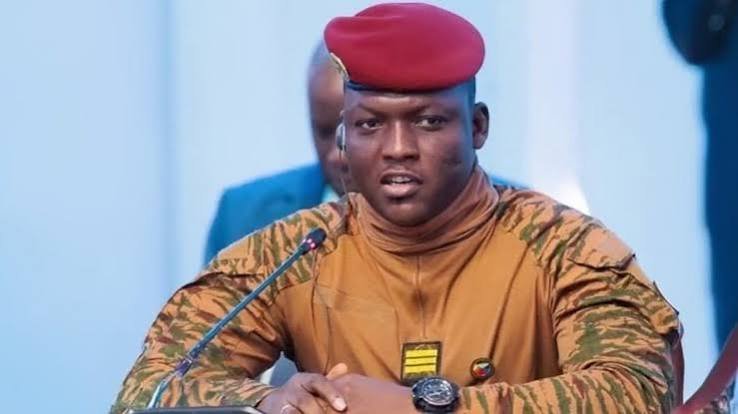
Justice Minister Bayala argued that the previous legal framework was too lenient, saying militant groups used the relative clemency of the old code as a recruitment tool. “We found on the ground that these terrorists recruit by promising candidates that, even if they were arrested as perpetrators or accomplices of terrorist acts, they would not risk much more than life in prison,” he said.
The Context
Burkina Faso has been ruled by a military junta led by Captain Ibrahim Traoré since a 2022 coup. The country has been battling armed groups linked to al-Qaeda and the Islamic State for over a decade, violence that has killed thousands and displaced many more.
Traoré has defended the restoration of capital punishment in stark terms. “If we catch a spy, the death penalty that is there is what will be applied,” he said in September. “Even under the cover of another country. And the reactionaries inside who are their agents, if we catch someone in treason, it is without pity. Sentimentalism is over”.
The Criticism
Human rights organizations had urged the junta not to reinstate capital punishment. Amnesty International called the move a “serious setback for human rights” and warned it was particularly alarming given the “ongoing crackdown on political opponents, human rights activists and journalists”.
The last known execution in Burkina Faso took place in 1988. The death penalty was abolished in 2018 under the democratically elected president Roch Marc Christian Kaboré.
The Bottom Line
Burkina Faso’s junta has unanimously reinstated the death penalty for terrorism, espionage, treason, and other offenses, reversing a 2018 abolition. The government says the move is necessary to combat militant groups and strengthen security. Human rights groups have condemned the decision as a setback. The last known execution in the country was in 1988.
My Opinion
Burkina Faso’s junta says it needs the death penalty to fight terrorism. But the men who wrote this law are the same men who seized power by force, who have cracked down on journalists and activists, and who now want the authority to decide who lives and who dies.
The Justice Minister’s argument is telling. He says terrorists recruit by promising that the worst they face is prison. So the solution is to execute them? That logic assumes the death penalty deters people who are already willing to die for their cause. It does not. It assumes a justice system that can fairly distinguish between terrorists, spies, and political opponents. It cannot. The same law that allows execution for “treason” can be used against anyone the junta decides is a threat.
Amnesty International is right. This is a setback. The last execution in Burkina Faso was in 1988. The country abolished the death penalty in 2018 under a democratically elected government. Now, a military junta has brought it back.