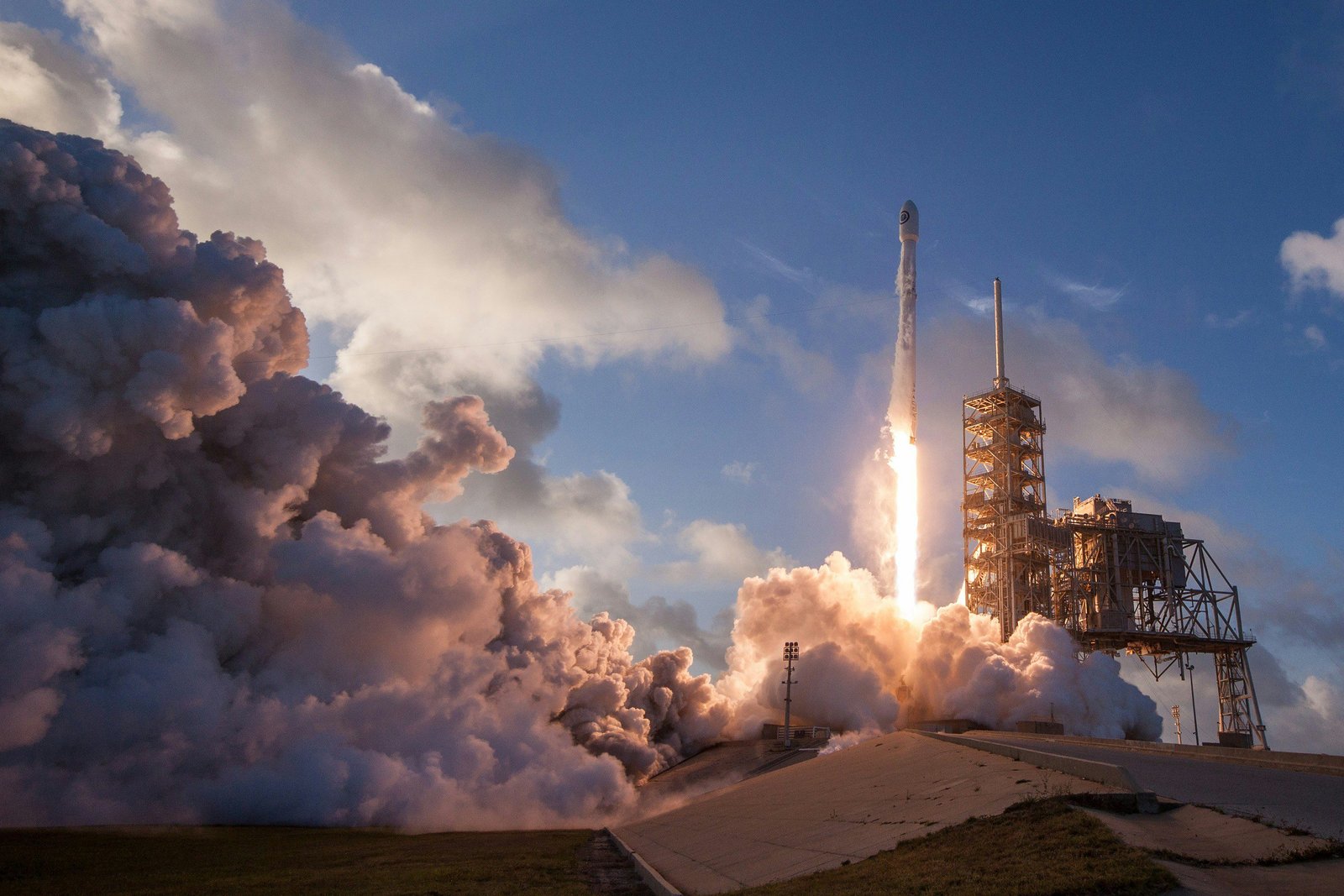

China has officially paused its Chang’e-7 lunar mission, stopping what was supposed to be a big step in the ongoing race to space. Space officials in Beijing announced that the spacecraft currently fails to meet all the safety and operational requirements for a safe liftoff. Because of this, engineers pulled the spacecraft from its schedule, confirming that the probe will not launch during its intended 2026 window. The decision came right before the rocket was set to blast off from the coastal Wenchang Space Launch Site located on Hainan Island.
Why China Delayed the Chang’e-7 Lunar Mission
The choice to hold back the Chang’e-7 lunar mission comes after a full review by the Chinese space agency. While official statements remained short, authorities emphasized that taking zero unnecessary risks is necessary to guarantee absolute success on such a costly project.
Scientists built the complex spacecraft to travel directly to the lunar south pole. Once there, its primary goal is to drop a rover and a specialized hopping robot into dark craters to look for frozen water ice on the moon. Discovering usable water in these hidden areas is a crucial step for establishing long-term bases on the lunar surface.
Future Plans for China Moon Exploration
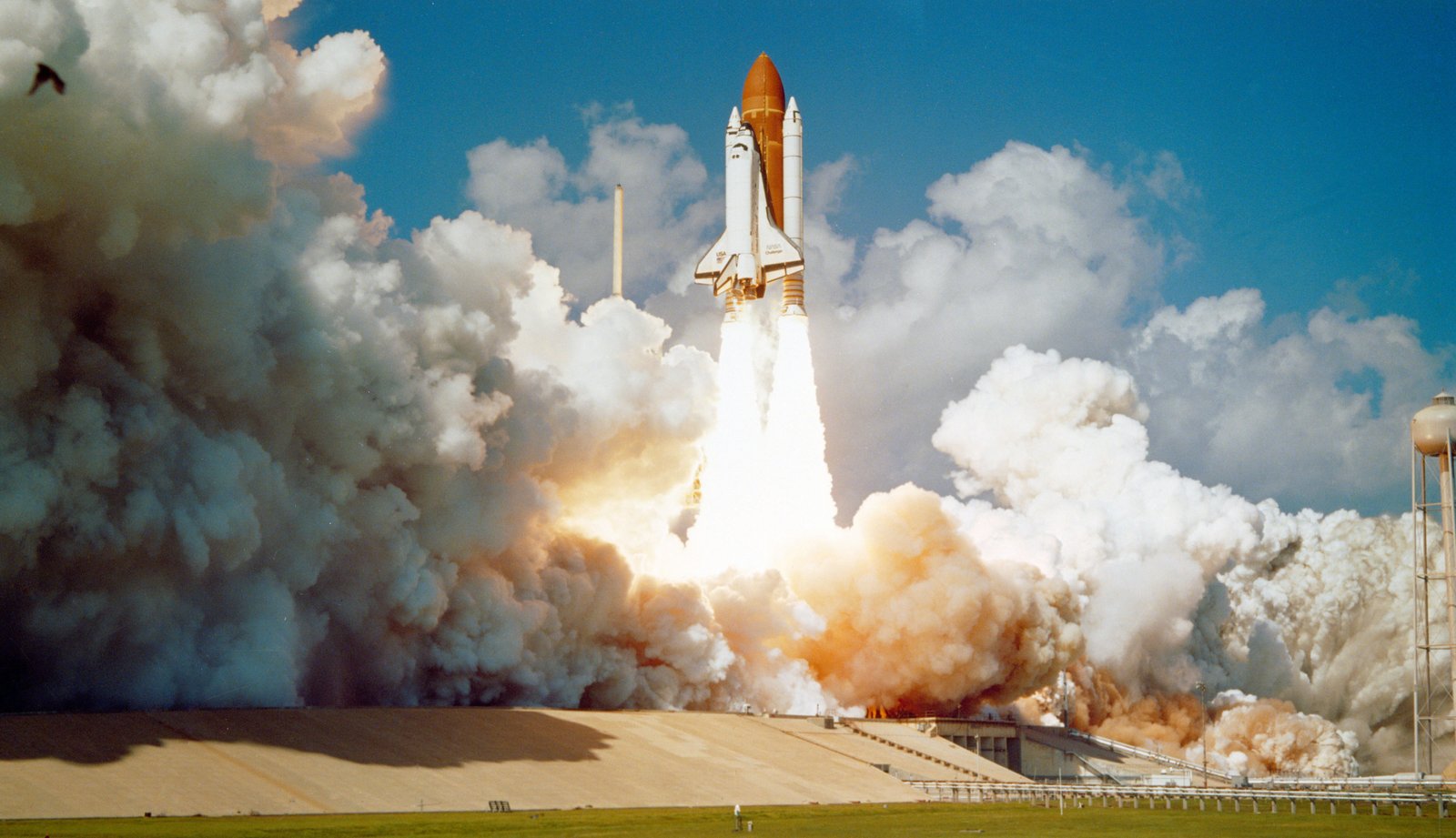
Despite this setback, China moon exploration programs continue to push forward aggressively. China previously made history when its Chang’e-6 probe gathered and returned soil samples from the far side of the moon. While engineers work to solve the issues around the delayed Chang’e-7 lunar mission, the overall goal of landing humans on the moon by 2030 remains the top priority for the country’s space program.
Opinion
It is easy to look at a delayed rocket launch as a total failure, but pausing this flight was actually the most responsible decision China could have made.
Space travel is brutal, and trying to land a robot near the south pole of the moon is even harder. That region is full of deep, dark craters and rough terrain where one wrong angle means a total crash. Throwing away years of hard work and millions of dollars just to hit a deadline makes no sense.
When you look at the bigger picture, China is locked in a fast-moving space race with the United States. When a country is competing at that level, the pressure to launch on time is massive. Standing up and saying “we are not ready yet” takes real discipline. A short delay might cause some awkward headlines today, but an exploding rocket or a broken lander would set their entire space program back by several years. Taking extra time to double-check the machinery simply protects the overall goal.