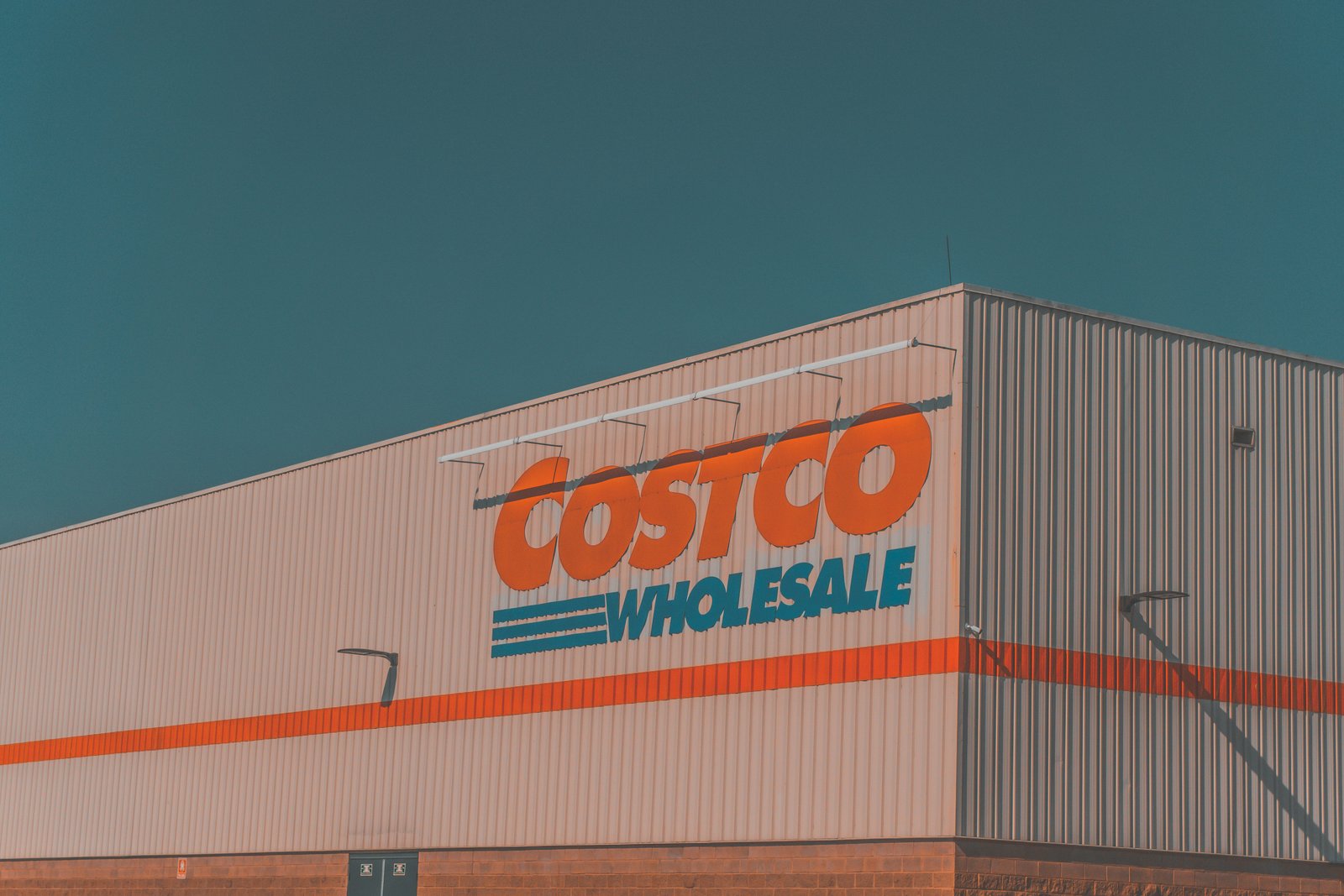

Under the newly enacted Senate Bill 2342, grocery-selling giants like Costco face $1,000 daily fines in new self-checkout law guidelines if they fail to maintain a strict ratio of human cashiers to automated kiosks. The law, signed by Governor Dan McKee, marks the very first time a U.S. state has legally mandated staffing levels for automated retail lanes.
The legislation represents a shift in how big-box stores and supermarkets manage their floor staff, forcing a balance between technological efficiency and human labor.
The “One-in-Three” Staffing Mandate
At the core of Senate Bill 2342 is a strict operational ratio: for every three self-checkout kiosks open and running, the store must have at least one traditional, manually staffed checkout lane open. The regulations apply during all peak operating hours, specifically between 8 a.m. and 8 p.m.
In addition to the mathematical ratio, the law introduces two major operational constraints that will disrupt standard retail scheduling:
1. Dedicated Monitoring: Any employee assigned to watch over the self-checkout kiosks must be completely relieved of all other tasks. They cannot run a backup register, handle returns, or stock nearby shelves while monitoring the area.
2. ADA Compliance: At least one operational manual lane must be fully compliant with the Americans with Disabilities Act (ADA) to ensure accessible options are always available.
If a store is found in violation, the financial penalties scale quickly. Following an initial written warning, daily fines are calculated based on a full eight-hour shift wage at the highest retail clerk rate, capping out at a maximum of $1,000 per day for repeat or ongoing non-compliance.
Labor Protection vs. Corporate Backlash
The bill was heavily championed by labor advocacy groups, including the United Food and Commercial Workers (UFCW) Local 328, as part of their broader campaign to protect retail jobs. Senate President Valarie Lawson, who authored the bill, noted that overreliance on self-checkout frequently overtaxes the few remaining floor workers while deeply frustrating customers, especially elderly shoppers who prefer interacting with a human being. Sponsors also argue that shifting full-time cashier positions into part-time monitoring roles forces workers to rely on public assistance, shifting the corporate cost burden onto taxpayers.
However, the business community has pushed back intensely against the regulations. Industry representatives point out that the law’s broad definition of a “grocery store” as any retail establishment making the majority of its gross income from items like raw or processed food, household goods, and hygiene products unfairly singles out supermarkets while completely ignoring fast-food chains or home improvement centers that use the exact same technology.
Instead of hiring more staff, some chains may simply shut down clusters of self-checkout machines during unexpected staffing shortages, leading to significantly longer wait times and higher operational friction for everyday consumers.
My Opinion
The state house is essentially trying to freeze the evolution of retail commerce in amber, and the realities of this $1,000 daily fines in the new self-checkout law situation will likely hurt the very consumers it claims to protect.
Let’s be clear about how retail logistics actually work. Big-box stores like Costco and discount grocers like Aldi don’t utilize self-checkout solely to cut hours; they use it to dynamically shift labor to where it is needed most, such as restocking depleted shelves, processing online pickup orders, or managing inventory. By forcing an arbitrary “one-to-three” ratio and legally forbidding self-checkout monitors from helping out elsewhere, the state is tying the hands of store managers who are already dealing with volatile, post-pandemic labor shortages.
If a store experiences a couple of sudden worker call-outs on a busy Saturday, a manager won’t magically be able to summon extra cashiers out of thin air to meet the legal ratio. Instead, to avoid the $1,000 daily penalty, they will simply pull the plug on half of their self-checkout kiosks. Protecting workers is an honorable goal, but forcing businesses to maintain human-staffed infrastructure through legal threats ignores consumer preference and economic reality. If a business provides a terrible checkout experience, consumers will naturally take their wallets to a competitor that gets it right. Micro-managing retail floor plans through government mandates doesn’t save jobs in the long run, it simply legislates inefficiency and punishes the modern shopper who just wants to grab their items and get home.