
Cuba is facing its darkest hour, literally. On May 14, 2026, the Communist-run island signaled a desperate shift, announcing it is “ready to hear the details” of a $100 million US aid offer it previously called a lie. With the national power grid in a “critical” state and hundreds of citizens rioting in the streets of Havana, the Cuban government is weighing whether to accept what some hardliners call “blood money” from the Trump administration.
The Power Crisis
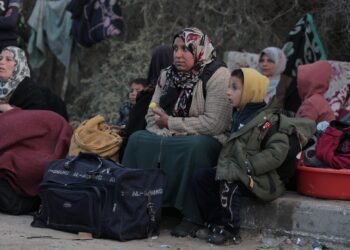
The energy situation in Cuba has shifted from a nuisance to a national emergency. Energy Minister Vicente de la O Levy admitted Wednesday that Cuba has completely run out of diesel and fuel oil reserves. Earlier this week, over two-thirds of the country was without power simultaneously. Critical surgeries are being delayed, and schools remain shuttered as the island’s infrastructure fails to keep the lights on for more than a few hours a day.
Aid as a Trojan Horse
This $100 million offer is a masterclass in “coercive diplomacy.” By imposing a de facto oil blockade, threatening any country that sends fuel to Cuba with massive tariffs, the Trump administration has effectively strangled the island’s heart. Now, they are offering a “gift” to fix the very problem they helped accelerate.

I find it strategically brilliant but humanitarianly ruthless. Trump isn’t offering this money to help the Cuban government; he is offering it to bypass them.
By insisting that the aid be distributed through the Catholic Church and independent groups, Washington is essentially trying to prove the Cuban state is obsolete. It’s not just aid; it’s a tool for regime change wrapped in a humanitarian blanket. If the Cuban government accepts, they look weak and lose control of distribution; if they refuse, they are “accountable” for their people’s suffering. It is a “checkmate” move in a very long game.
The “Stings” Attached to the $100M
Washington has made it clear that this money doesn’t come for free. The aid must go through the Catholic Church or “reliable independent organisations,” not the Cuban state. Part of the aid package includes funding for “fast and free” satellite internet, a move clearly aimed at helping dissidents coordinate. Secretary of State Marco Rubio has explicitly linked the aid to “meaningful political and economic reforms.”
A Desperate Choice
As residents of Havana block roads with burning trash and shout “turn on the lights,” the Cuban Revolution faces its greatest threat since the 1990s. The government’s willingness to even “review” the US offer shows how close to the brink they truly are. Whether this $100 million becomes a lifeline for the people or the final nail in the coffin for the regime depends on who blinks first in this standoff.