
Cuba Protests and Warns U.S.: “We Fear Nothing” as tensions rise after the U.S. operation in Venezuela, thousands of Cubans gathered at the U.S. embassy in Havana Friday morning to show defiance. The protests followed the capture of Venezuelan leader Nicolas Maduro, a key Cuban ally, and the deaths of 32 Cuban military and intelligence officers during the U.S. action. This marks the first direct clash between U.S. and Cuban forces in decades, shaking a historically tense relationship.
The demonstration came under gray skies with strong winds and waves along Havana’s Malecon waterfront. Cubans, dressed in warm clothing, waved Cuban and Venezuelan flags as President Miguel Diaz-Canel, wearing olive-green military garb, addressed the crowd.
Cuban Leadership Takes a Hard Stance
President Diaz-Canel spoke directly to the United States, warning that Cuba would not be intimidated. “No, imperialists, we have absolutely no fear of you… and we don’t like to be threatened,” he declared, pointing toward the U.S. embassy. The president emphasized unity among Cubans and a readiness to defend the nation at all costs.
This statement signals a new level of defiance, reflecting a Cuban government unwilling to yield under political or economic pressure from the U.S. For decades, Cuba has survived embargoes, threats, and diplomatic isolation. Now, with U.S. military action in Venezuela, the Cuban government feels directly threatened.
U.S. Rhetoric Escalates Tensions
In response to the Venezuela operation, U.S. President Donald Trump warned that no Venezuelan oil or funds would go to Cuba, pressing Havana to “make a deal before it’s too late.” The threat aims to pressure Cuba economically, leveraging its reliance on Venezuelan resources.
But the Cuban government’s message is clear: rhetoric alone will not break its resolve. The call to defend the homeland “to the last drop of blood” underscores how seriously Havana views the U.S. intervention.
Public Protest as a Show Of National Strength
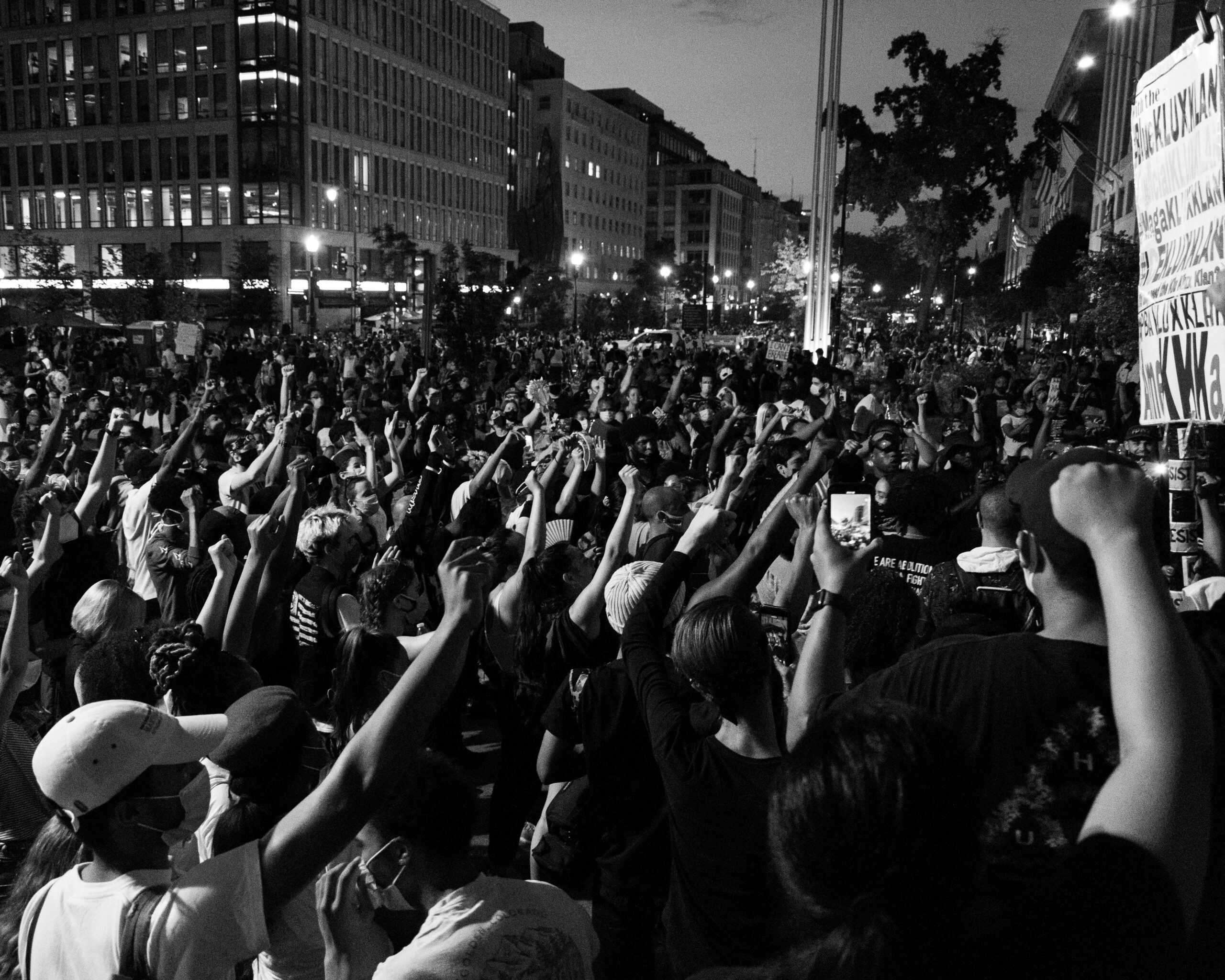
The protest at the U.S. embassy was not small. Thousands of citizens, many bundled against the cold, demonstrated their loyalty to Cuba’s government and to Maduro. Flags and chants reflected solidarity with Venezuela and a refusal to bow to foreign pressure.
This mass mobilization also serves as a domestic signal. By visibly uniting the public behind the government, Diaz-Canel strengthens his political position and demonstrates to the world that Cuba will resist external threats.
Long-term Implications for U.S.-Cuba relations
The clashes in Venezuela and the Cuban response risk opening a new chapter in U.S.-Cuba tensions. While past disputes were primarily economic or diplomatic, these recent events introduce a military dimension.
The warning “We fear nothing” shows that Cuba is willing to escalate if provoked. U.S. policymakers now face a delicate situation: further pressure risks confrontation, while backing down could be perceived as weakness.
For Cuba, the situation reinforces the government’s narrative of resistance. Citizens see leadership defending sovereignty, which can strengthen domestic legitimacy. But it also locks Cuba into a position where retreat is politically costly.