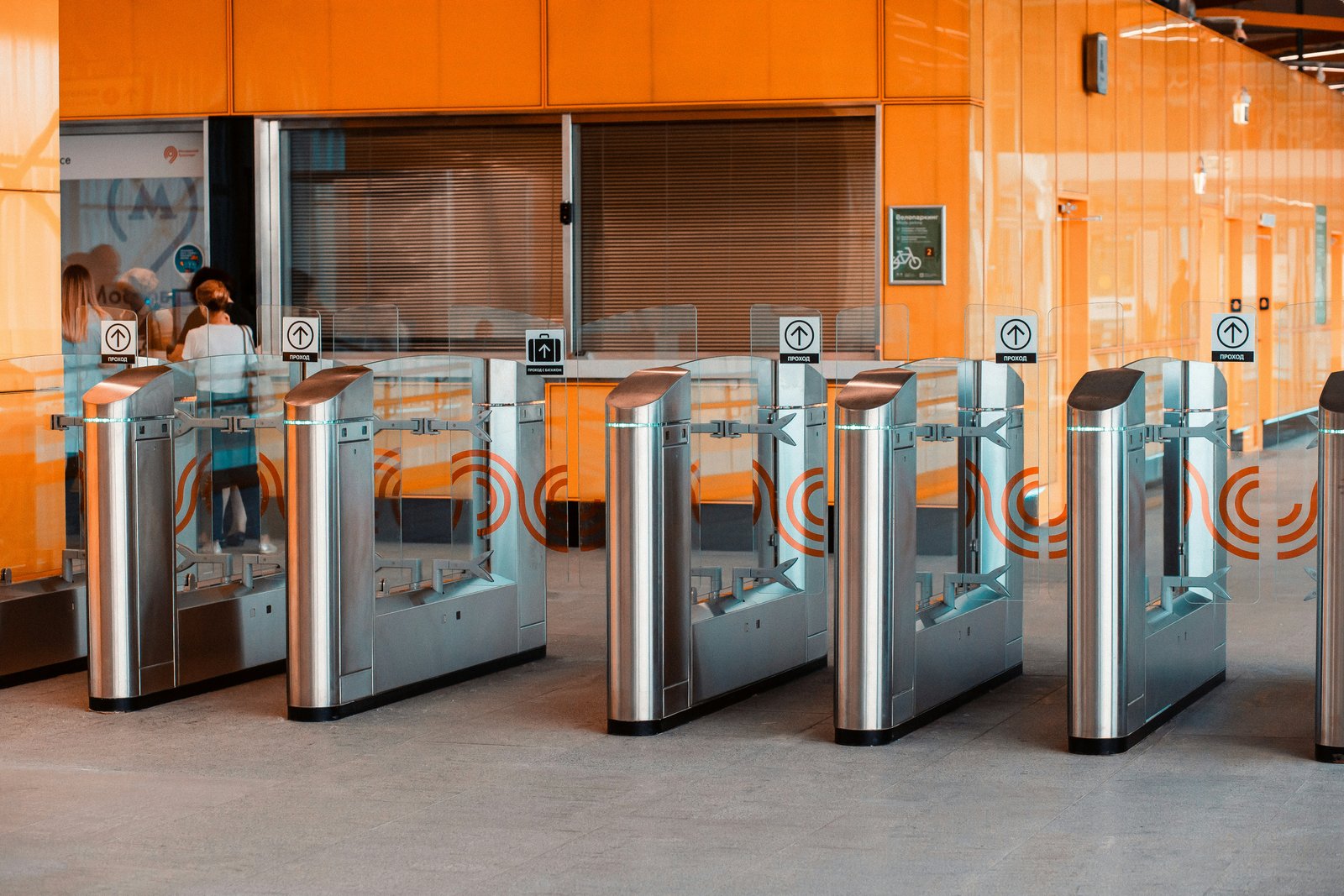

The electronic passport control scanners at Larnaca and Paphos airports are to be abolished and replaced with full-scale automated passport control gates as Cyprus prepares to enter Europe’s border-free Schengen zone, Justice Minister Costas Fitiris said.
The gates, known as ABC gates, will be installed at both airports by the end of the year. The existing scanners had initially been preferred as they are smaller in size, given the space limitations at both airports, but with the current system, a passport control officer is still required to make the final check.
“In contrast, ABC gates are fully automated border control systems, which also use biometric technologies,” Fitiris said. The new gates will prove “particularly effective in cases of reduced staffing.”
Schengen Accession Progress
The question of whether Cyprus should join the Schengen zone will be formally placed before the Council of the European Union next month, with the European Commission having in June confirmed its own “positive assessment” of the island’s preparedness to join.
Commission spokesman Markus Lammert said the college of commissioners had adopted a report on the state of Cyprus’ application, based on monitoring conducted for the EU’s annual “State of Schengen” report, released in May.
“It is clear that decisions on when and how Cyprus joins the Schengen area lie with the council. The commission’s position is very clear. Cyprus’ full accession to the Schengen area would be strengthening the common framework of shared rules, standards, and responsibilities that underwrite Schengen cooperation,” Lammert said.
For a new country to join the Schengen zone, a unanimous decision must be taken by all countries inside the zone. They currently number 25, with only Cyprus and Ireland remaining on the outside. The four Schengen zone countries which are not EU member states – Iceland, Liechtenstein, Norway and Switzerland – are party to discussions but are not afforded votes.
The Political Context
As the Cyprus Mail has been informed, European Commission President Ursula von der Leyen has personally been one of the main driving forces behind the push for Cyprus to join the Schengen zone.
“For years and years, the view across Europe was that Cyprus can never join the Schengen zone without the Cyprus problem being solved. Now, however, von der Leyen has told each member state that Cyprus must join the Schengen zone, and that they must acquiesce to it,” one diplomat said.
However, some have expressed reservations about the feasibility of the plans and the impact it may have on the Cyprus problem. Turkish Cypriot leader Tufan Erhurman has said it is “extremely important” for the Turkish Cypriot side to be involved in Cyprus’ accession, warning it “has the potential to bring about many complications, especially in the area of freedom of movement” regarding Turkish Cypriots.
Post-Schengen Controls
Fitiris said that once Cyprus joins Schengen, the use of the new e-gates will be reviewed by competent ministries “up to the abolition of internal border controls.” Even after accession, some form of passport control will be required for people of all nationalities arriving from countries outside the Schengen zone.
The Bottom Line
Cyprus will replace its passport control scanners at Larnaca and Paphos airports with full-scale automated e-gates by the end of the year as the island prepares to join Europe’s Schengen zone. The European Commission has given a “positive assessment” of Cyprus’ preparedness, and a formal decision will be placed before the Council of the EU next month. The move has raised concerns about the impact on the Cyprus problem and freedom of movement for Turkish Cypriots.