
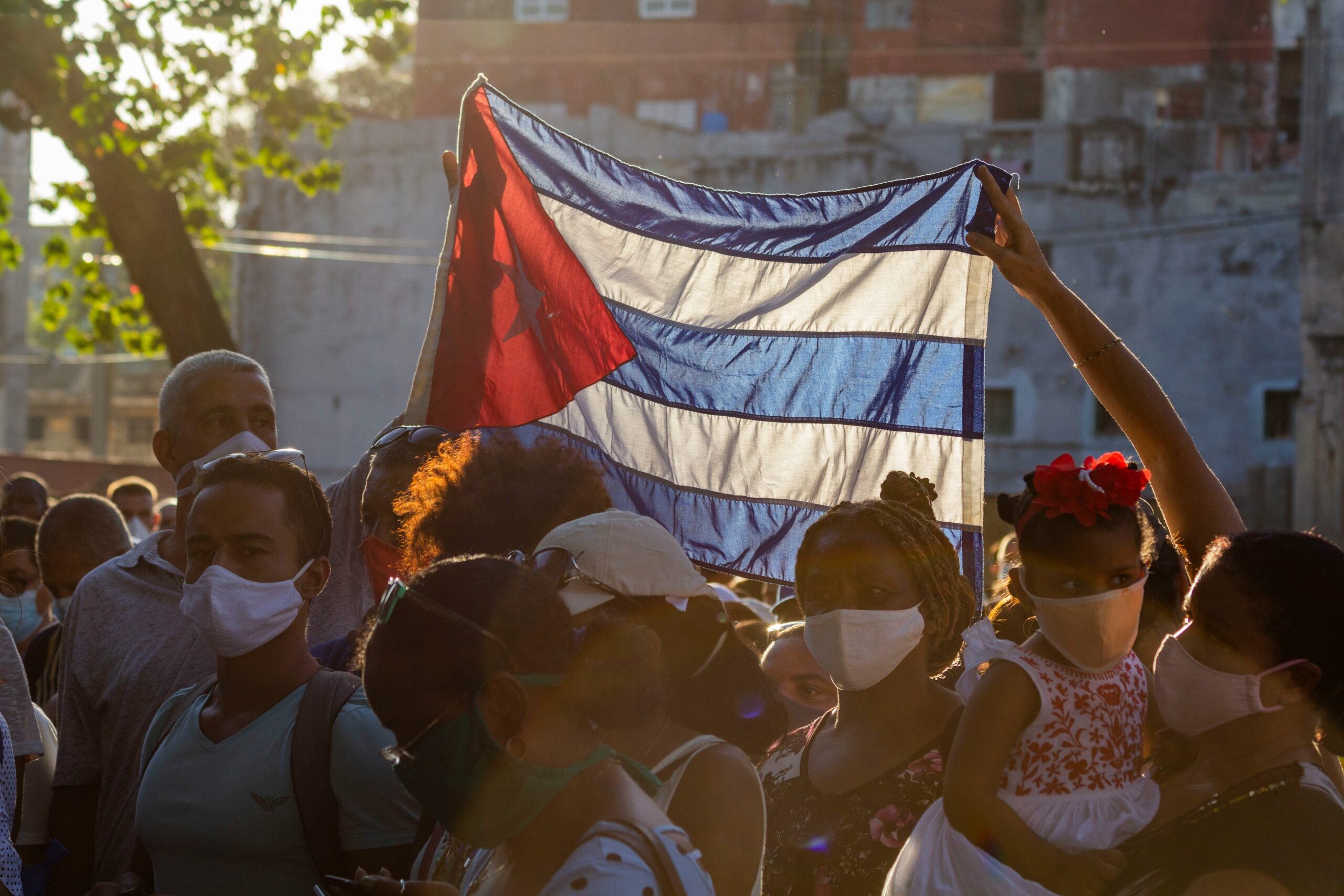
In a move that defies six decades of entrenched hostility, Cuba has agreed to accept a U.S. humanitarian aid shipment, breaking a foundational protocol of the Cold War stalemate even as Washington issued a stark warning against any interference with the delivery. The development represents a bizarre and tense new chapter where humanitarian need is colliding with raw geopolitical power in a high-stakes standoff.
The Biden administration is preparing to deliver $3 million in aid to Cuba in the wake of Hurricane Melissa, channeling it through the island’s Catholic Church under close U.S. monitoring. While accepting the aid, Cuba’s foreign ministry denounced it as “opportunistic” and “political manipulation,” insisting it would accept the donation “without conditions.”
Washington’s Warning: A Veiled Threat of Force
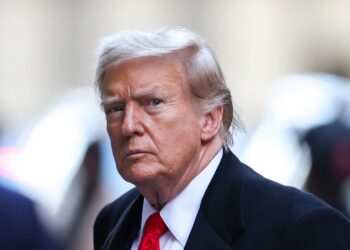
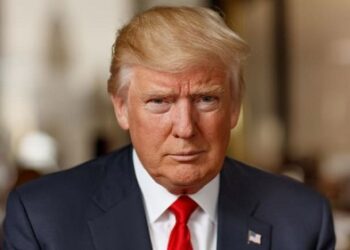
The aid comes with an unmistakable message of dominance from the United States. Jeremy Lewin, a senior State Department official, explicitly warned Cuban authorities not to interfere with the shipment and suggested President Donald Trump could take action if they failed to comply.
“This is our hemisphere,” Lewin declared, invoking Trump’s post-Maduro rhetoric, “and as the president said… American dominance in our hemisphere will not be questioned ever again.” This framing transforms a humanitarian gesture into a test of sovereignty and a demonstration of power, directly linking it to the recent U.S. operation that captured Venezuelan President Nicolas Maduro.
Havana’s Calculated Defiance: Taking the Money, Rejecting the Message
Cuba’s decision to accept the aid is a monumental, pragmatic break from its historic revolutionary doctrine, which has long rejected any U.S. assistance as imperialist charity. By agreeing to take the funds while publicly condemning them, the Castro regime is attempting a delicate balancing act: securing vital resources for its hurricane-battered population without appearing to capitulate to its arch-nemesis.
This move “without conditions” is itself a defiant condition—a signal that while Cuba may need the aid, it will not submit to political strings or be seen as bending the knee. It is a survival tactic that acknowledges new, harsh realities, including the loss of Venezuelan oil subsidies after Maduro’s capture, a blow Trump has vowed to enforce.
A New, Unstable Paradigm
This aid standoff does not signal a thaw, but the emergence of a new, more volatile phase in U.S.-Cuba relations. The old stalemate was: no contact, no aid, no dialogue. The new paradigm is messier and more dangerous as it entails conditional aid delivered with threats, accepted with insults, against a backdrop of renewed American hemispheric aggression.
For the first time in generations, a U.S. aid shipment is crossing the Florida Straits. Whether this breaks the decades-old deadlock or simply provides a new arena for conflict will depend on what happens after the aid is delivered—and how fiercely Washington chooses to assert the “dominance” it has just proclaimed.