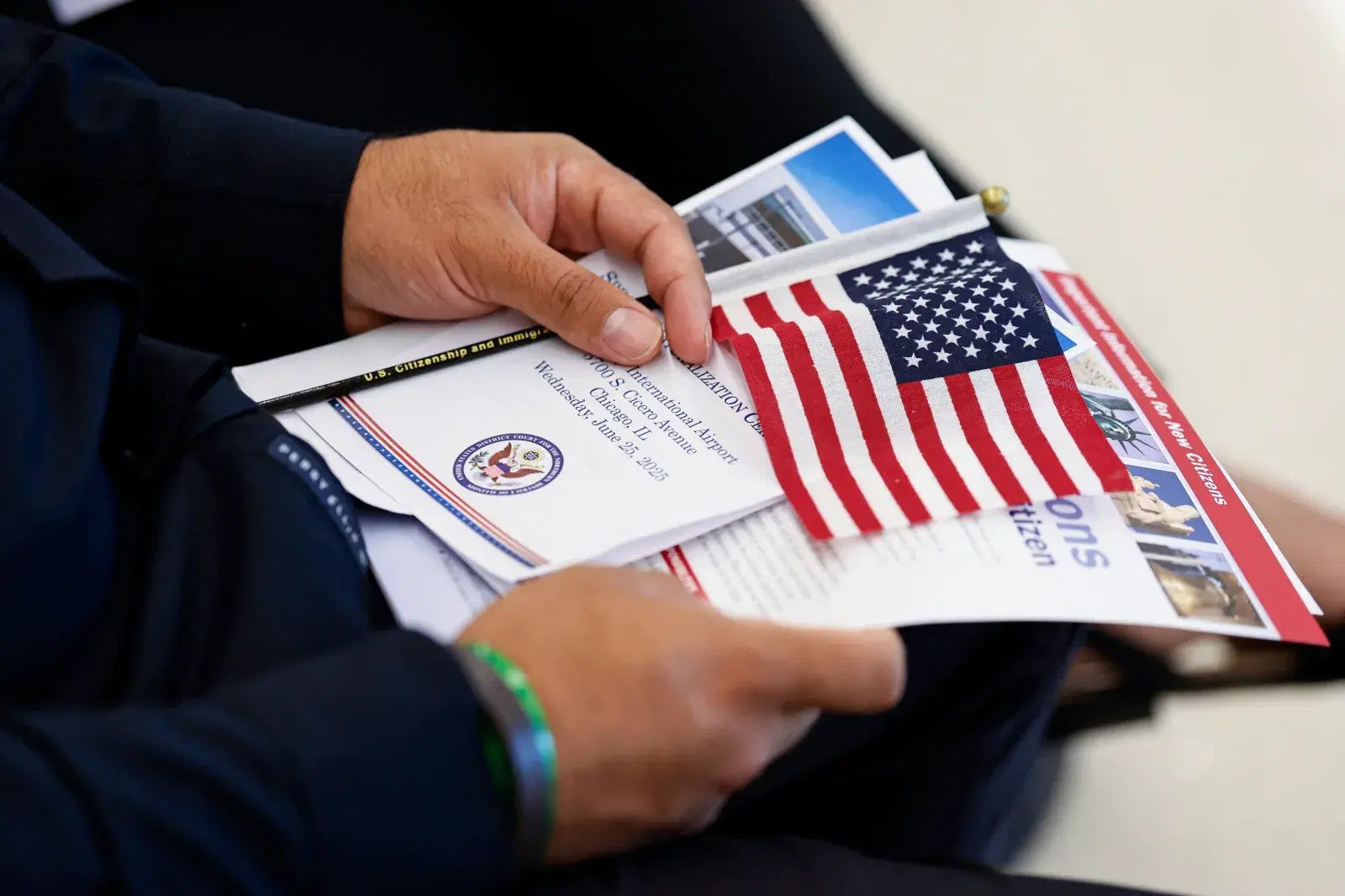

The Justice Department is taking action to revoke the citizenship of 40 foreign-born Americans, saying they committed immigration fraud by lying or omitting facts on their applications, according to a draft announcement obtained by NBC News.
The individuals are accused of concealing criminal histories or providing false information during the naturalization process. The move is part of a broader push by the Trump administration to denaturalize immigrants who obtained citizenship through fraud or misrepresentation.
The Denaturalization Push
The action against the 40 individuals is the latest in a series of denaturalization efforts by the Justice Department. In June, the department announced legal action against 17 naturalized citizens accused of obtaining citizenship through fraud, hiding information, or making false statements. Those individuals included people accused or convicted of serious crimes such as child sexual abuse, drug trafficking, wire fraud, and immigration fraud.
Denaturalization proceedings are rare. Federal immigration law requires that the Justice Department show “clear, unequivocal and convincing evidence” that a person was ineligible for citizenship or lied during the process of naturalization.
The Legal Standard
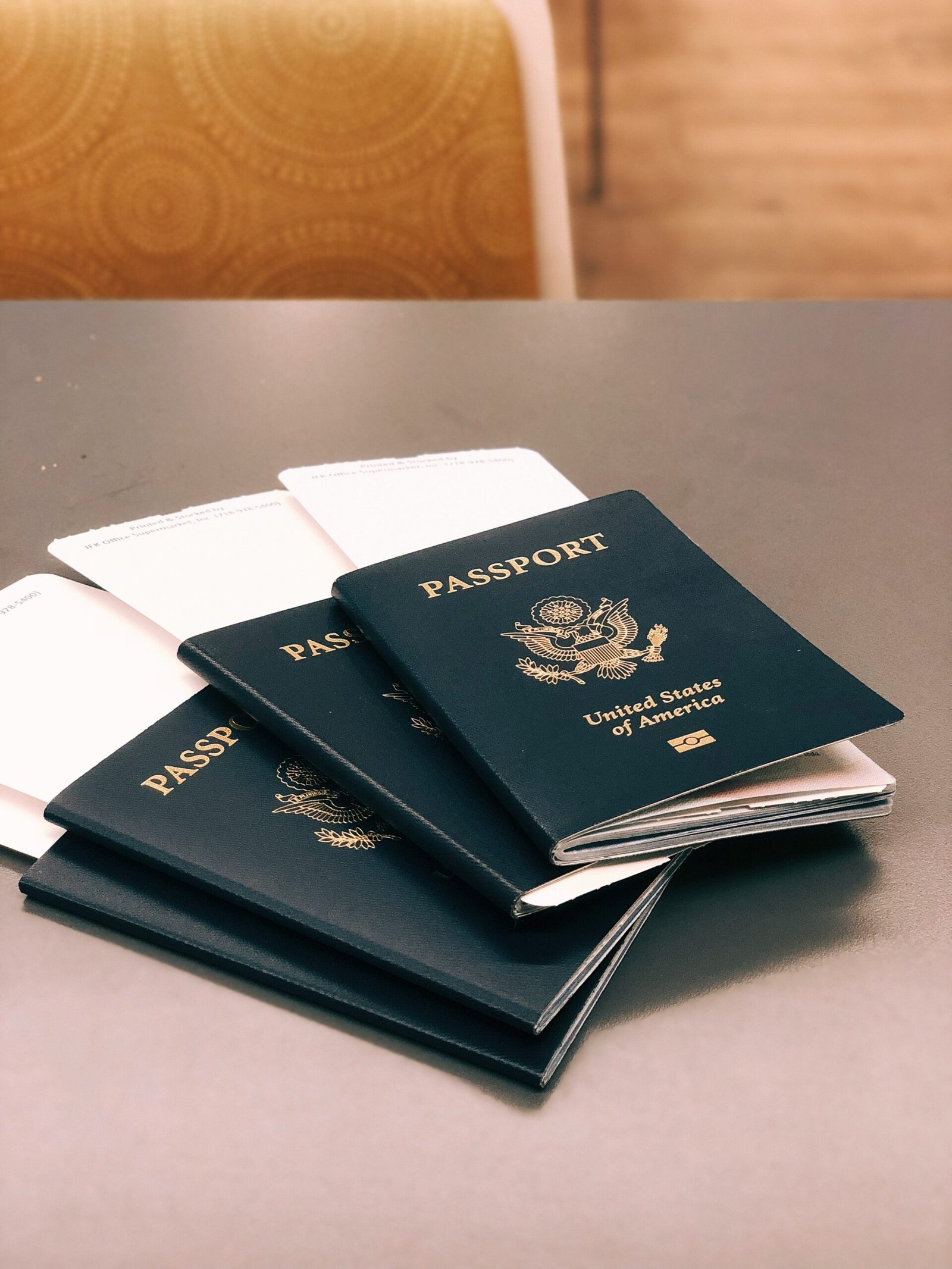
To revoke citizenship, the government must prove that the individual procured naturalization illegally or by concealment of a material fact. Courts have generally held that minor omissions or innocent mistakes are not sufficient grounds for denaturalization. The government must show that the misrepresentation was material to the decision to grant citizenship.
Civil rights groups have raised concerns that the Trump administration may be expanding denaturalization beyond its traditional scope. The American Civil Liberties Union has warned that denaturalization should not become a tool for targeting immigrants for minor discrepancies or political reasons
The Broader Context
The denaturalization efforts come as the Trump administration has intensified immigration enforcement across the board, including workplace raids, expanded detention, and attempts to end Temporary Protected Status for hundreds of thousands of immigrants.
The Justice Department has not yet released the names of the 40 individuals or details about their specific cases. It is unclear whether they have legal representation or whether any have been detained.
Bottom Line
The Justice Department is moving to revoke the citizenship of 40 foreign-born Americans, accusing them of lying about their criminal histories on naturalization applications. The action is part of a broader denaturalization push by the Trump administration. Denaturalization is rare and requires clear, convincing evidence of fraud. Civil rights groups have raised concerns about the expansion of these efforts.
My Opinion
Denaturalization is one of the most severe actions a government can take against one of its own citizens. It strips a person of their nationality, their voting rights, their passport, and their place in the country they call home. It should be rare. It should be reserved for the most egregious cases. And it should never become a routine tool of immigration enforcement.
The Justice Department says these 40 individuals lied about their criminal histories. If that is true, they should face consequences. The law is clear: citizenship obtained through fraud can be revoked. But the standard is high for a reason. The government must prove its case with clear, convincing evidence. It cannot rely on technicalities or minor discrepancies.
The concern is not with the principle. It is with the pattern. The Trump administration has launched a broad denaturalization push, targeting dozens of naturalized citizens. Some of those targeted have serious criminal records. Others may not. Without transparency, the public cannot know whether these actions are about fraud or about politics.