The Justice Department is proposing a new rule to empower federal immigration judges to hold attorneys, their clients, and witnesses in contempt if they violate court orders — a move that departs from historical practice and which legal experts warn could be unconstitutional.
The regulatory proposal by the Executive Office for Immigration Review would allow immigration judges for the very first time to impose fines ranging from $1,000 up to $3,500 if an attorney or other individual continues to defy court orders.
“It is crucial for immigration judges to have every tool available—including the authority to impose civil money penalties—to control the proceedings before them,” the Justice Department wrote in its proposal.
The Government’s Double Standard
The proposal notably exempts federal government employees, such as Department of Homeland Security attorneys, from being subject to any contempt order. Critics say this creates a lopsided and unfair scenario that would allow potential government misconduct to go unchecked.
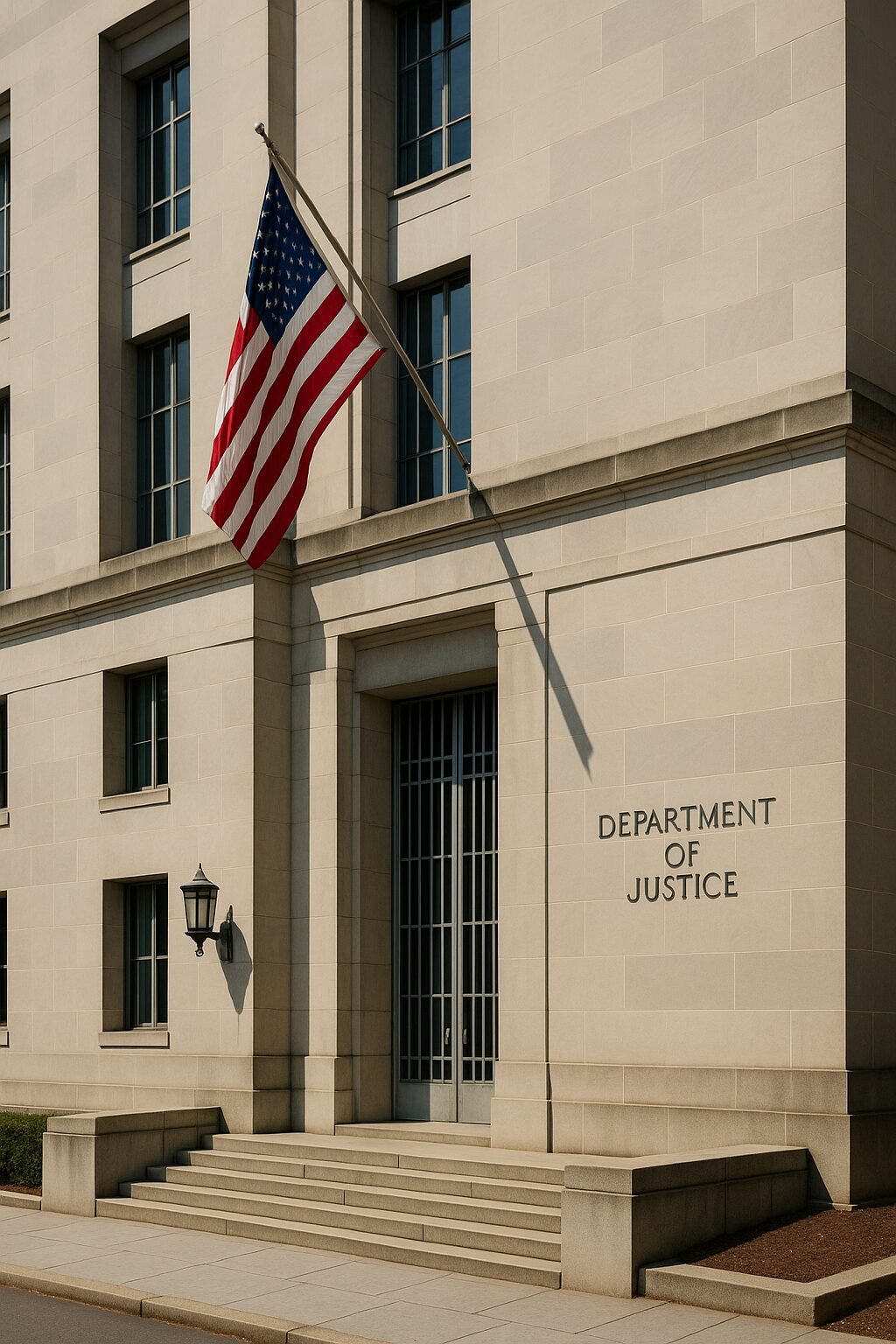
In federal district courts, Article III judges have the power to hold all attorneys who appear before them in criminal or civil contempt, if warranted. The Justice Department argues that giving immigration judges the power to sanction government lawyers is not necessary because DHS attorneys can be disciplined by the Office of the Inspector General or the Office of Professional Responsibility.
But critics are not buying it.
“By proposing a completely skewed regulation that empowers judges to hold in contempt only the attorneys for immigrants but not ICE attorneys, the Administration has revealed that its goal has nothing to do with the just and balanced rule of law,” said Gregory Chen, senior director of government relations at the American Immigration Lawyers Association. “This rule is another effort to target immigration attorneys that falls in line with the President’s intimidation tactics.”
A System in Crisis
The proposal comes as the immigration court system faces a deepening crisis. Hundreds of longtime federal immigration judges have left since last year, many fired abruptly without warning or cause. In 2025, the Executive Office for Immigration Review lost 370 attorneys, according to government data.
At the same time, the immigration court system is facing a current backlog of more than 3.5 million cases.
Many former immigration judges have spoken publicly about pressures they faced to expedite deportations or detain people without bond. In ads seeking to hire replacement judges, the DOJ has referred to the role as being that of a “deportation judge.”
The new proposal “ties into the culture of fear,” said Karen Donoso Stevens, a former longtime immigration judge. “First, scare the judges. Then the judges will scare the attorneys.”
The Constitutional Question
Several legal experts who spoke with CBS News said the proposal is potentially unlawful because immigration courts are part of the executive branch and fall under Article II of the Constitution, which states that the executive branch has no contempt authority. That power belongs exclusively to the judicial and legislative branches.
The proposal is “constitutionally flawed,” Chen said.
What the Rule Would Allow
The proposed rule, published in the Federal Register, states immigration judges would be allowed to sanction lawyers or their clients for a variety of offenses, including repeatedly failing to appear on time, failing to follow orders, disorderly conduct, and making false statements.
The public will have 60 days to review the proposal and submit comments.
The Bottom Line
The Justice Department is proposing a rule that would allow immigration judges to fine lawyers, their clients, and witnesses up to $3,500 for contempt of court. The rule exempts government attorneys, drawing criticism from legal experts who call it unconstitutional and unfair. The proposal comes as the immigration court system faces a backlog of over 3.5 million cases and a record number of judges have left the bench.