The current DRC Ebola outbreak surges past historical records to become the second-largest outbreak ever documented, trailing only the West Africa epidemic of 2014–2016. According to official data from the World Health Organization, the Democratic Republic of Congo has recorded more than 3,553 confirmed cases and at least 1,558 deaths since mid-May. Driven by high population mobility, active conflict, and contact-tracing in the northeast Ituri province, transmission rates have surpassed those of previous prolonged outbreaks in just a matter of weeks.
Escalating Transmission in Ituri Province
The speed of the current wave has caught public health authorities off guard. While the 2018 outbreak took 235 days to reach 1,000 cases, health workers in this response reported their first 1,000 infections in just 40 days.
The outbreak is driven by the rare Bundibugyo strain, for which approved commercial vaccines and targeted therapies remain scarce. Africa CDC officials report that fewer than 18,000 of an estimated 135,000 potential contacts have been identified, meaning more than 80% of new cases are detected outside established monitoring networks.
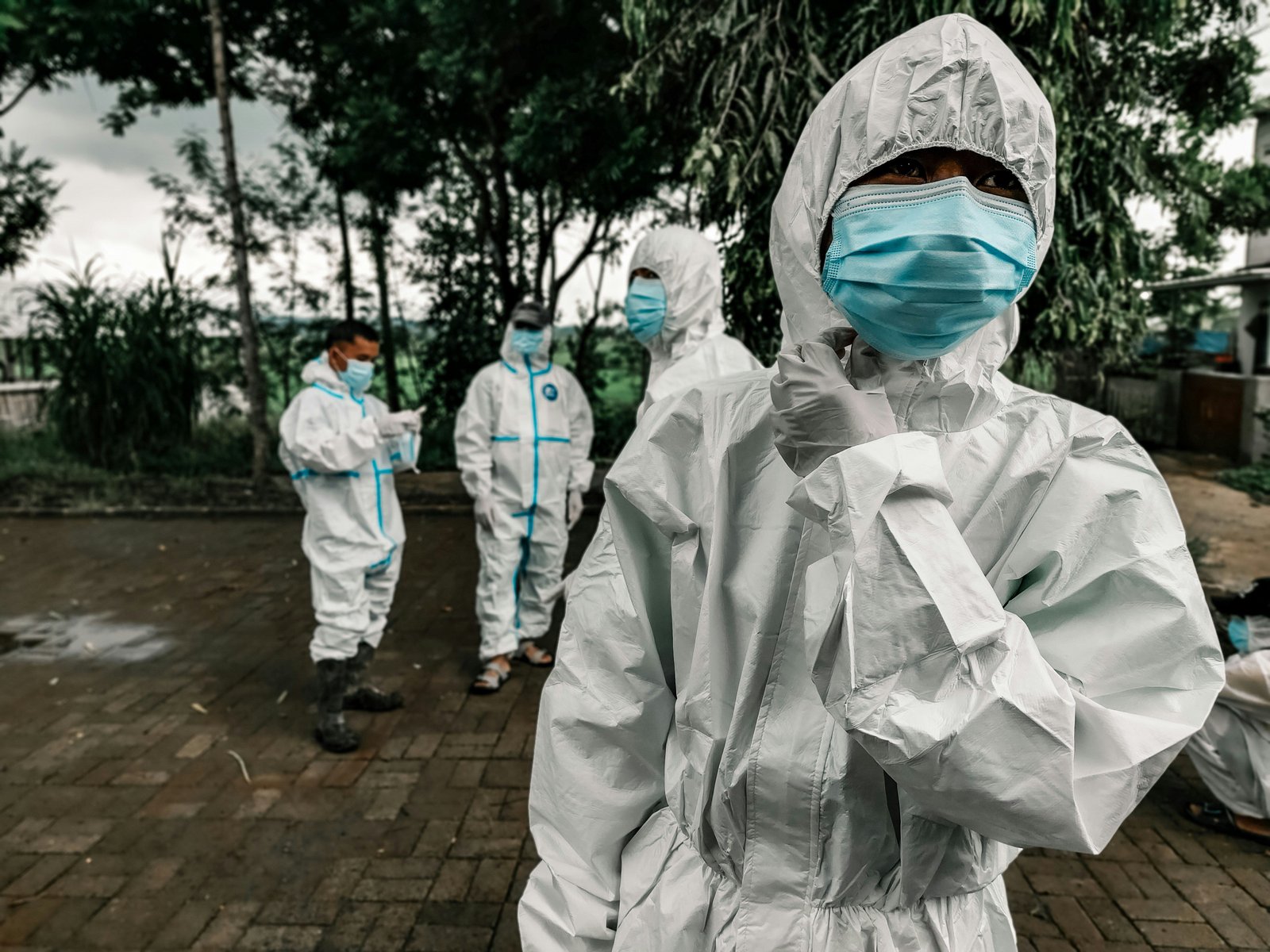
Security issues in Ituri province, home to lucrative gold mines and more than one million internally displaced persons, continue to disrupt field epidemiology teams and medical supply lines.
In response, international research teams have launched real-time clinical trials in the field, including a novel Oxford University vaccine candidate alongside antiviral trials evaluating therapies like remdesivir.
My Opinion
The news that the DRC Ebola outbreak surges to record-breaking levels tells us that advanced medical technology is useless without boots-on-the-ground operational access. Deploying experimental vaccines developed by Oxford is a major scientific milestone, but clinical interventions cannot stop a viral trajectory if health workers cannot physically reach affected communities in Ituri.
Scientific breakthroughs in vaccine development mean little when basic contact tracing fails due to local conflict and severe underfunding.
When four out of five new cases appear outside established contact lists, the containment boundary has functionally collapsed. Controlling high-risk infectious diseases requires prioritizing basic public health infrastructure, safe burial protocols, community engagement, secure transport corridors for responders, and robust contact tracing over relying exclusively on late-stage medical countermeasures.
Bottom Line
This outbreak surges across eastern provinces; health agencies must focus on closing contact-tracing gaps and securing safe passage for response teams. While the immediate risk of international spread to North America remains low, stabilizing containment efforts in central Africa is very important to preventing further regional escalation.