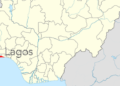

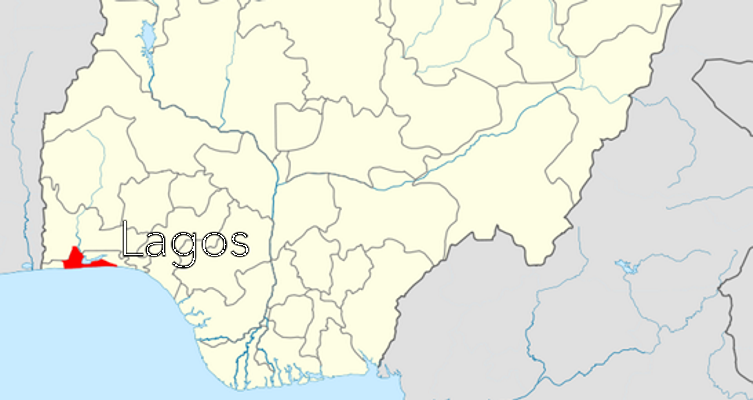
Nigerian youths descended on the Lagos State House of Assembly on Sunday, March 22, demanding justice for victims of alleged sexual assault during a fertility festival in Ozoro, Delta State — a protest fueled by viral videos showing women “crying out and pleading for help” as the incident unfolded.
The demonstrators, organized under the “End The Rape Culture” campaign, gathered at the assembly complex carrying placards and raising their voices against what they described as a national shame. Their message was direct: victims are being silenced, perpetrators are walking free, and Nigeria’s justice system is failing.
“It is heartbreaking. I keep asking myself, what if it were me?” said Rhoda Robinson, Executive Director of Hacey Health Initiative, addressing the crowd. “This is a stark reminder that rape culture still exists.”
A National Outbreak of Anger
The protest erupted after videos from the Ozoro fertility festival went viral, allegedly showing victims in distress during a cultural event that escalated into sexual assault. While details remain under investigation, the footage sparked nationwide outrage, with activists drawing a direct line between the Ozoro incident and the long, painful history of sexual violence in Nigeria.
Robinson recalled that when the “End the Rape Culture” campaign was launched alongside other advocates, there were claims that rape culture was no longer prevalent in Nigeria. She rejected that assertion, pointing to the silence that still surrounds survivors.
“How can anyone say rape culture does not exist when victims are still being silenced and justice remains elusive?” she asked.
The Data and the Silence
Robinson cited statistics showing that a significant number of Nigerian women and girls experience sexual violence, with many cases unreported due to fear, stigma, and societal pressure. Even when cases are reported, she said, justice rarely follows.
She invoked the case of Ochanya, a young girl repeatedly abused by close relatives who later died from complications related to vesicovaginal fistula and trauma. The case became a national symbol of the failures in protecting children from sexual violence.
“Ochanya’s experience is not an isolated case,” Robinson said. “Many victims continue to suffer in silence.”
She described the reality as harsh: “Victims are blamed, families suppress the truth, and systems fail to protect. Women and girls continue to face oppression, and this must change. We need stronger safeguards, effective laws, and justice that is consistent, not selective. No one should be forced to endure such suffering in silence.”
The Police Response
The protest came as law enforcement moved to address the Ozoro incident. Delta State Commissioner of Police Aina Adesola visited the affected area alongside senior officers, including Deputy Commissioner of Police in charge of Operations Olumuyiwa Adejobi.
It remains unclear whether arrests have been made or whether the investigation is being treated as a priority. Activists say the visit is welcome but insist that concrete action — not just appearances — will determine whether justice is served.
A National Conversation Forced Open
The Ozoro protests have forced a conversation Nigeria’s political class has long avoided: the persistence of sexual violence, the complicity of silence, and the urgency of systemic reform. The “End the Rape Culture” campaign, once dismissed by some as alarmist, now has a clear, horrifying example to point to.
The youths who stormed the Lagos Assembly were not just protesting one incident. They were demanding a reckoning — for Ochanya, for the victims in Ozoro, and for the countless others whose names will never be known.
“The reality is harsh,” Robinson said.
But so, it seems, is the determination of those who refuse to let it stand.