
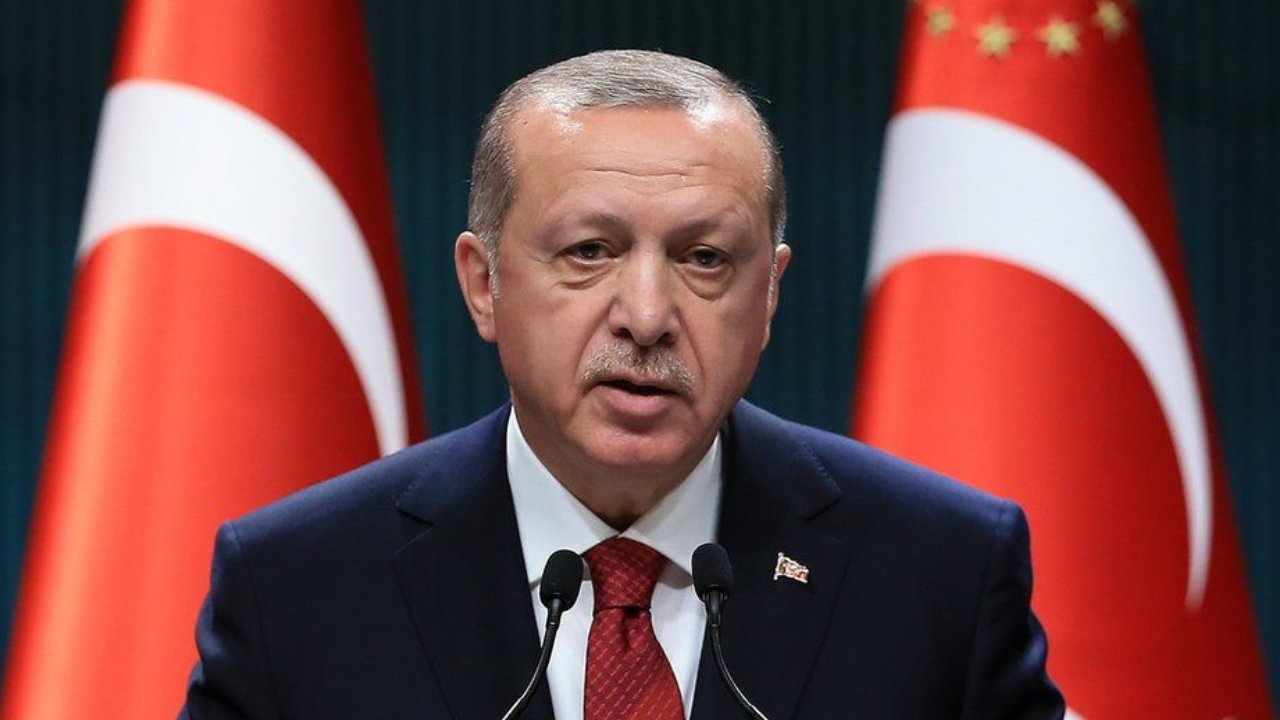
Turkish President Recep Tayyip Erdogan has rejected Israel’s recognition of the breakaway region of Somaliland, warning that the move could destabilize an already volatile Horn of Africa and turn it into “the battlefield of foreign forces.”
Speaking during a Tuesday visit to Ethiopia, Erdogan said Israel’s December decision to become the first country to recognize Somaliland’s three-decade-old declaration of independence “does not serve the interests of Somaliland or the wider Horn of Africa.”
“The Horn of Africa should not be the battlefield of foreign forces,” Erdogan told a joint press conference with Ethiopian Prime Minister Abiy Ahmed. “We believe that countries of the region should address their problems by themselves.”
The Israel Factor
Israel’s recognition of Somaliland in December upended decades of diplomatic convention and infuriated Mogadishu, which still considers Somaliland part of its territory. The move was widely seen as part of Israel’s push to deepen ties with Red Sea states amid shifting regional alliances.
Turkey, which has in recent years become a major geopolitical player in the Horn of Africa, has consistently backed Somalia’s territorial integrity. Ankara maintains a military base in Mogadishu and has invested heavily in Somali infrastructure and security cooperation.
Somaliland’s foreign ministry responded to Erdogan’s comments by urging Turkey to refrain from inflaming regional tensions—a sign of how quickly the dispute is drawing in outside powers.
Ethiopia’s Sea Access Dilemma
Abiy used the occasion to press his long-standing demand for sea access, arguing it was unjust for Ethiopia to remain landlocked since Eritrea seceded in 1993, taking with it a 1,350km Red Sea coastline.
“It is not right for a country with a population of over 130 million to be denied sea access and remain a geographical prisoner for a long time due to the conspiracy of our enemies,” Abiy said.
He asked Turkey to exert diplomatic pressure and assist peacefully in securing access to the sea—preferably through Eritrea’s southern port of Assab, about 60km from the Ethiopian border.
Since a 2024 deal with Somaliland to lease the coastline for a port fell through, Abiy has hinted at the possibility of taking Assab by force, raising fears of renewed conflict with Eritrea.
The Tigray Shadow
All this unfolds against the backdrop of growing fears of a return to conflict in Ethiopia’s northern Tigray region, which borders Eritrea.
During the first Tigray war between 2020 and 2022, Eritrean forces fought alongside the Ethiopian army against local Tigrayan fighters. But allegiances have shifted. Any renewed conflict in Tigray would likely inflame tensions between the neighbours, who fought a devastating border war between 1998 and 2000 that claimed more than 100,000 lives.
Local media reports growing panic in Tigray’s cities as alleged military build-ups continue near the region. Banks have run out of cash. Civil servants did not receive their January salaries. Frustration is mounting.
What Comes Next
Erdogan’s rejection of Israel’s Somaliland recognition is unlikely to change Israel’s policy. But it reinforces Turkey’s position as the primary external backer of Somalia’s territorial integrity and a key mediator in Horn of Africa disputes.
It was Erdogan who brokered an end to the 2024 dispute between Ethiopia and Somalia over Abiy’s attempted Somaliland port deal, averting what many feared could escalate into wider conflict.
Now, with Israel injecting itself into the region’s most sensitive territorial dispute, and Ethiopia pushing aggressively for sea access, Erdogan’s warning about foreign powers destabilizing the Horn carries weight—even if few expect it to be heeded.
For Somaliland, which has sought international recognition for three decades, Israel’s move was a diplomatic breakthrough. For Somalia, Turkey and much of the international community, it was a dangerous breach of principle. The Horn of Africa, already fractured, now has one more fault line.