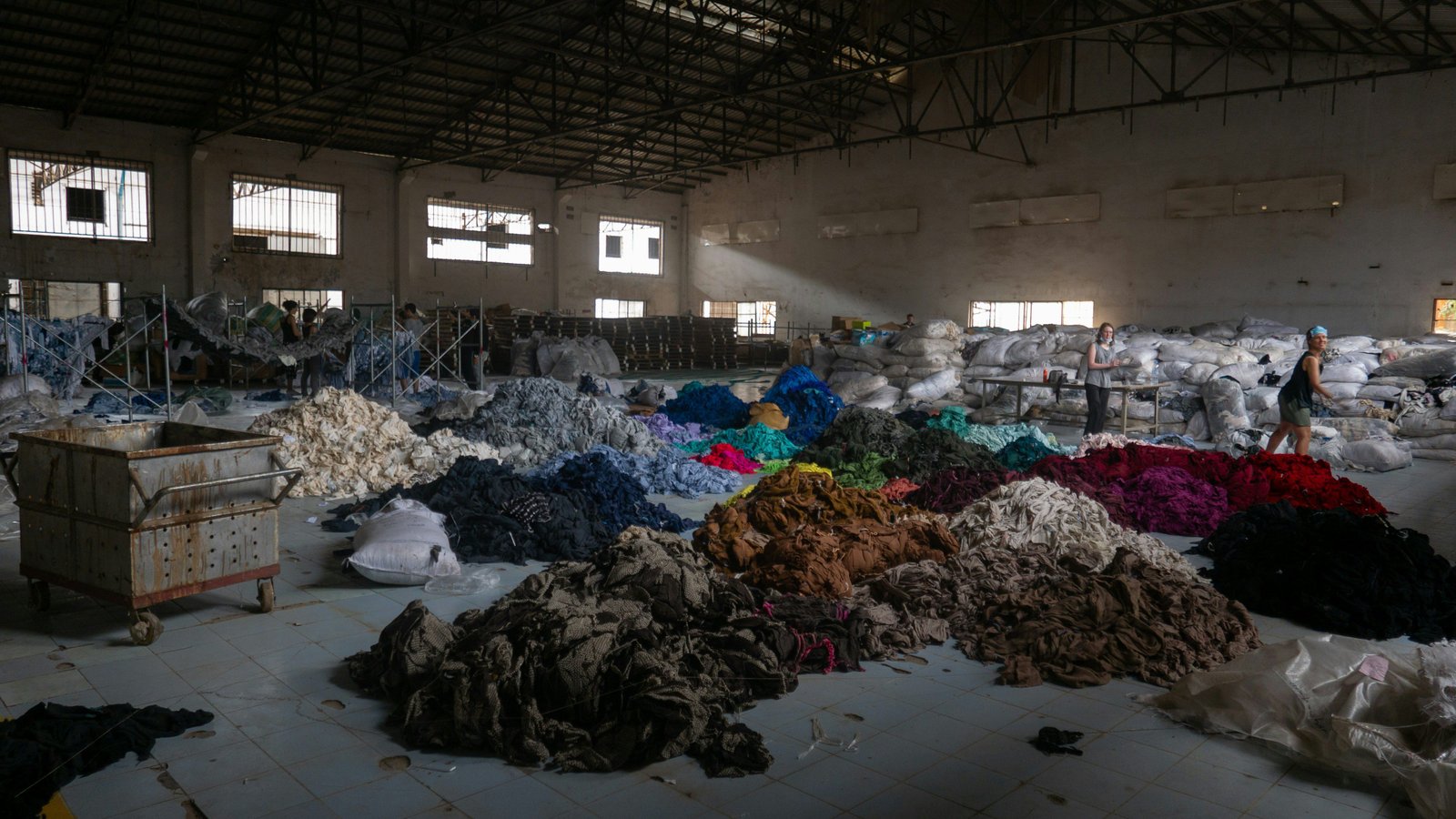

The European Union has officially prohibited the destruction of unsold clothing, footwear and fashion accessories as part of fresh efforts to reduce waste and make the fashion industry more sustainable.
The regulation, which took effect on Sunday across the 27-member bloc, targets large fashion retailers, manufacturers and wholesalers, many of whom have routinely disposed of unsold stock due to damage, excess inventory or returned online purchases.
Under the EU’s Ecodesign for Sustainable Products Regulation, companies with more than 250 employees and annual net turnover exceeding €50 million can no longer destroy unsold clothes, shoes or accessories. Instead, they are expected to find alternative ways of disposing of the products, including offering discounts, selling them in other markets or donating them to charity.
The new rules permit destruction only under limited circumstances, such as when products are unsafe, damaged, counterfeit or rejected by charitable organisations.
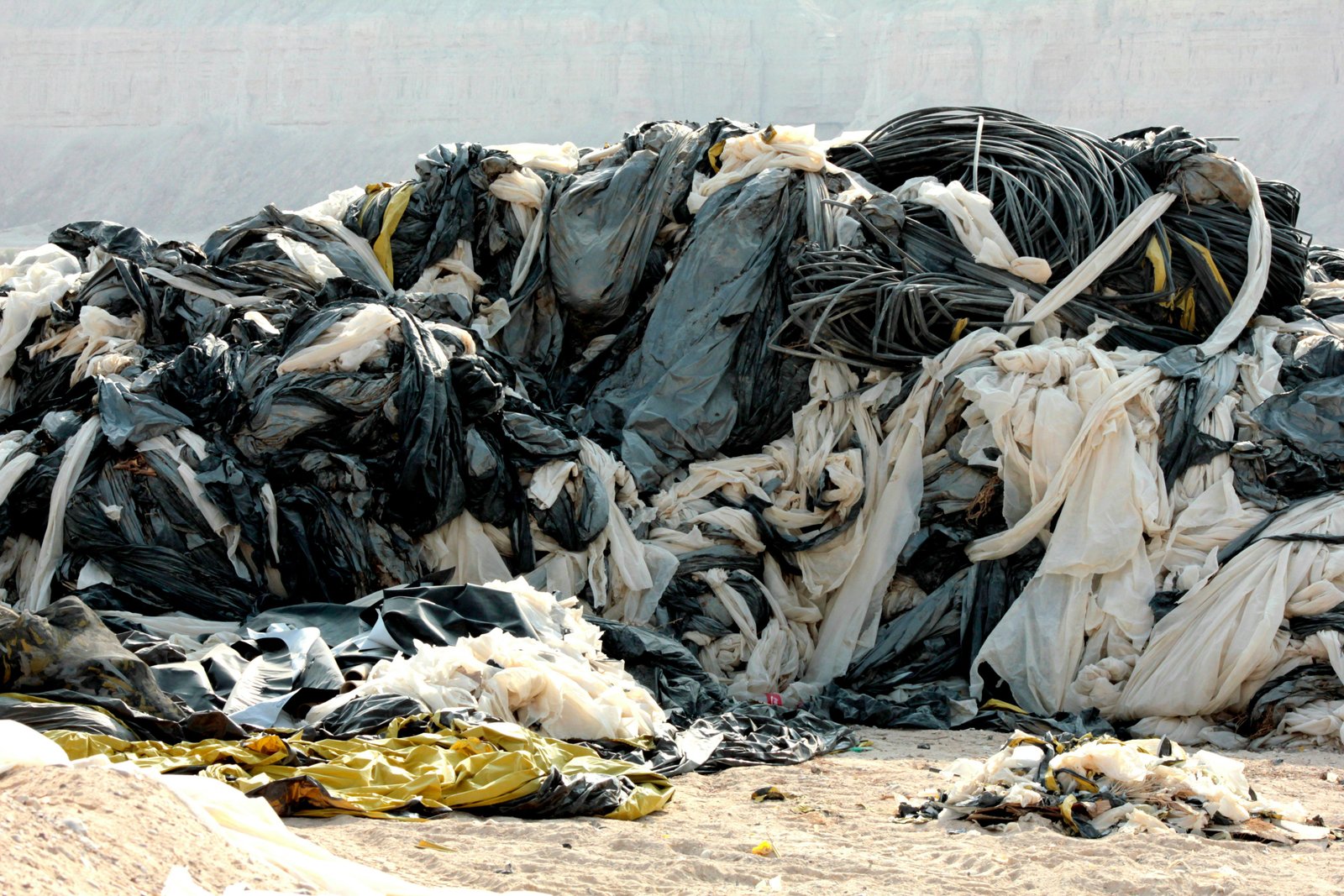
Businesses are also required to submit yearly reports detailing discarded goods and maintain related records for five years. The regulation is expected to apply to medium-sized companies from 2030.
The European Commission introduced the measure in response to growing concerns over waste generated by the fashion industry, particularly from so-called fast fashion and increasing online shopping returns.
According to the European Environment Agency (EEA), between four and nine per cent of unsold textile products are destroyed every year across the EU.
The agency also noted that one in every five fashion items purchased online is eventually returned, with many of those products never making it back onto store shelves.
The EU believes reducing the destruction of clothing will help lower greenhouse gas emissions and minimise waste associated with raw materials, water, energy and transport used in textile production.
In a recent LinkedIn post, the EEA said the bloc is committed to making the sector more environmentally friendly.
“A circular economy — where products are designed to last, and are reused, repaired and recycled — is no longer just a vision, but is being embedded in law through these new legislative measures,” the agency stated.
Despite the environmental push, some industry stakeholders argue that disposing of unsold inventory has often been more cost-effective than storing, repairing or heavily discounting the products.
The German Retail Federation (HDE) acknowledged that consumers are likely to benefit from increased availability of discounted items through outlet stores, clearance sales and second-hand markets.
However, HDE Managing Director Stefan Genth warned that retailers could face practical challenges under the new system.
“Not all unsold goods can be resold or donated easily,” he said, citing damaged packaging, expensive logistics, low demand and limited product value as major obstacles.