
The FBI investigated whether South Carolina’s late Sen. Lindsey Graham and Rep. James Clyburn were involved in a bribery scheme connected to Hawaiian naval defense contractor Navatek acquiring federal contracts in their home state, according to a report published by ProPublica on Tuesday.
The report states that Graham met with two executives and a lobbyist from Navatek in March 2020 and agreed to give a $10 million government contract to Navatek in South Carolina, Navatek CEO Martin Kao told the FBI. Graham allegedly asked that, in exchange, Kao pledge $100,000 to his reelection campaign.
The contractor also made similar alleged deals with Clyburn and Rep. Joe Wilson after approaching their offices in early 2019, the outlet reported.
The Investigation
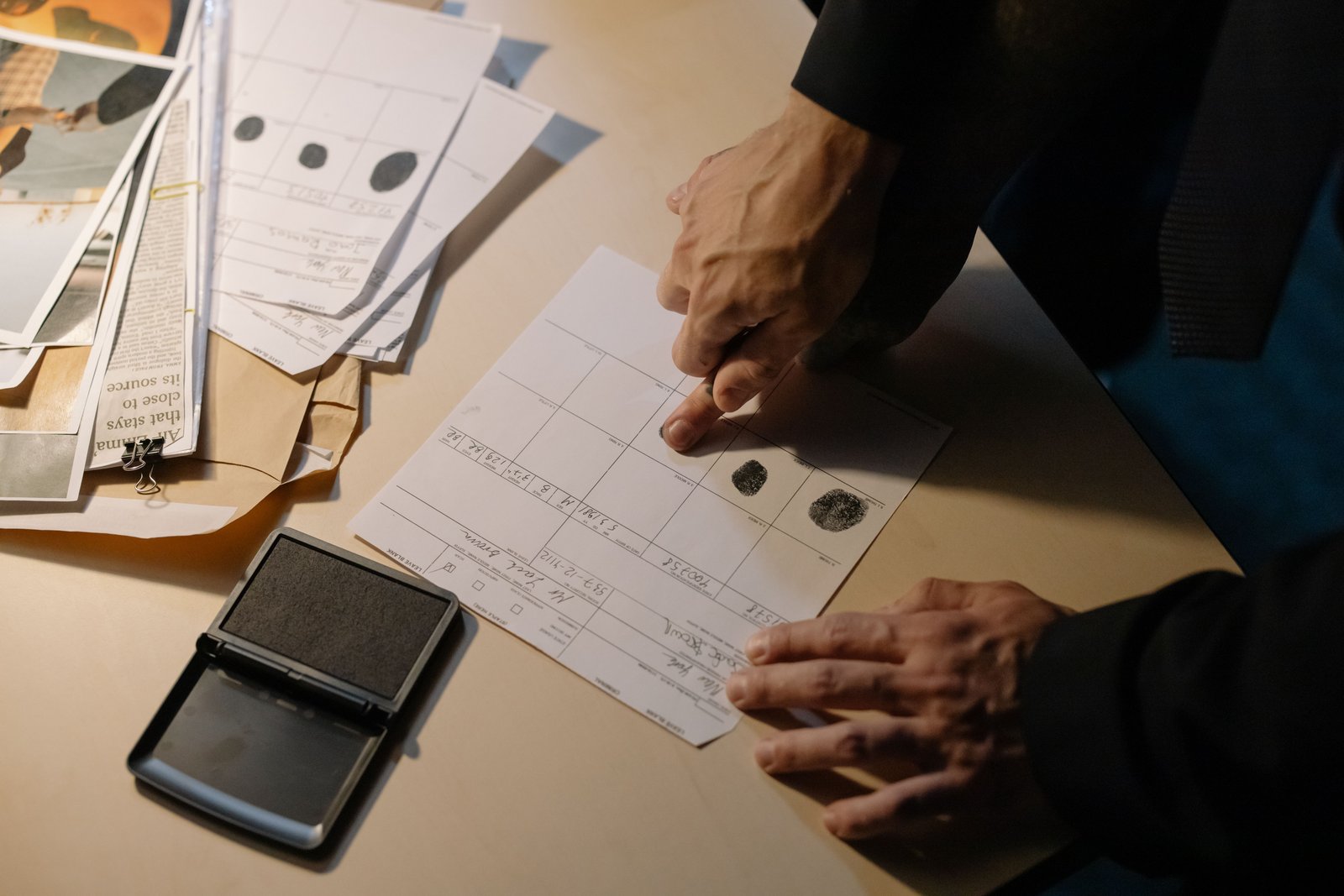
The FBI in early 2025 launched its investigation into alleged bribery in Congress, with Graham’s meeting with the Navatek executives and lobbyist at the heart of it. Agents interviewed Kao, who admitted his “business model consisted of bribing public officials in exchange for government contracts” and that Navatek’s research for the federal government “was often worthless,” ProPublica wrote.
Kao told the FBI that the scheme involved some of the most powerful members of Congress from both parties, with ProPublica noting that his admissions would “constitute a vast criminal bribery scheme if they could be proved in court.”
He spoke with the FBI in hopes of reducing his 2025 prison sentence, having pleaded guilty in 2022 to making illegal campaign donations and a loan fraud scheme. Kao was sentenced to 87 months in prison.
The Contractor’s Strategy
Navatek was founded in 1979 and maintained close ties with former Sen. Daniel Inouye but was “in need of a new patron in Washington” after his death in 2012. Kao planned to expand the contractor’s presence across the country to build relationships with lawmakers via a plan he called “the method.”
This led to opening offices in the states or districts of powerful lawmakers and partnering with local universities to develop proposals to receive federal research funding. Navatek recruited the University of South Carolina for a joint research project and asked the lawmakers to provide $9.5 million for their work, with the aim of asking Congress to refresh the funding for two more years and approve two more projects for a total of $90 million.
A final spending bill with the $9.5 million for Navatek’s project passed in December 2019. A Graham spokesperson told ProPublica that his office added the $9.5 million to the budget at the request of Navatek and the university, saying the research was supported by the Navy, but rejected the notion that Graham was motivated by campaign funding.
The Fallout
Graham, Clyburn, and Wilson were not subjects in the investigation, though the FBI investigated their interactions with Kao, and agents said the lawmakers could be subjects in the future, according to records seen by ProPublica.
President Trump’s return to the White House led to the disbandment of many FBI and Justice Department teams that investigated public corruption, including the two agents investigating the bribery scheme. The case is effectively dead with none of its investigators left at the agency.
An FBI spokesperson told The Hill that ProPublica’s report peddled “half-baked misleading claims from former FBI personnel and a convicted felon to spin a predetermined narrative” and called its reporting “false.”
The Bottom Line
The FBI investigated whether Sen. Lindsey Graham and Rep. James Clyburn were involved in a bribery scheme with defense contractor Navatek, according to ProPublica. The contractor’s CEO told the FBI he agreed to give Graham a $10 million contract in exchange for a $100,000 campaign pledge, and made similar deals with Clyburn and Rep. Joe Wilson. None of the lawmakers were subjects of the investigation, and the case was effectively dead after Trump’s return to office disbanded the corruption teams. All three lawmakers deny wrongdoing.
My Opinion
This is not a story about whether Lindsey Graham or James Clyburn are guilty. It is a story about whether anyone will ever find out. The FBI had a cooperating witness, a CEO who admitted his “business model consisted of bribing public officials.” It had records seized from Navatek. It had two agents investigating the case. Then Trump returned to office, the corruption teams were disbanded, and the case died.
The timing is not subtle. The investigation was heating up in early 2025. The agents were looking at some of the most powerful members of Congress from both parties. And then the people investigating public corruption were told to leave. The FBI says the report is “false” and peddles “half-baked misleading claims.” But the bureau does not deny that the investigation existed. It does not deny that the agents were removed. It does not deny that the case is dead.
Martin Kao is in prison. He says he is “the only one rotting.” Maybe that is because he is the only one who confessed. Maybe it is because he is the only one who is not a sitting member of Congress. The public deserves to know which. The case is dead, but the questions are not