
A pre-dawn explosion damaged a synagogue in this eastern Belgian city Monday, shattering windows and rattling a community already on edge as federal prosecutors opened a terrorism investigation into what officials called a “despicable antisemitic act.”
The blast occurred around 4 a.m. on Léon Frédéricq Street, blowing out the synagogue’s front windows and those of buildings across the road, police said. No injuries were reported, but the attack sent shockwaves through Belgium’s Jewish community and drew immediate condemnation from the nation’s highest political leaders.
“The judicial investigation has been launched by the Federal Prosecutor’s Office,” Interior Minister Bernard Quintin said, confirming that prosecutors handling organized crime and terrorism cases will lead the probe . The federal prosecutor’s office typically takes charge when there are “possible indications of a terrorist offense”.
‘We Cannot Import Conflicts’
Liège Mayor Willy Demeyer did not hesitate to name what he saw.
“This is all intentional and targeted. We condemn this antisemitic act as strongly as possible,” Demeyer told public broadcaster RTBF. He described the explosion as “an extremely violent act of antisemitism, which is contrary to the Liège tradition of respect for others”.
The mayor’s condemnation carried an unmistakable reference to the wider war raging in the Middle East.
“There can be no question of importing external conflicts into our city,” Demeyer said, pointing to the U.S.-Israeli strikes on Iran that began February 28 and have since spiraled into a regional conflagration.
National Leaders Respond
Prime Minister Bart De Wever took to social media Monday morning to express solidarity with Belgium’s Jewish community, which numbers about 50,000 people, primarily in Antwerp and Brussels.
“Antisemitism is an attack on our values and our society, and we must combat it unequivocally,” De Wever posted on X. “We stand in solidarity with the Jewish community in Liège and throughout the country”.
Interior Minister Quintin called the explosion “an abject antisemitic act that directly targeted Belgium’s Jewish community.” He said security measures around similar sites would continue to be reinforced, noting that security services had already been “extremely vigilant” in recent days due to renewed Middle East violence.
François Desquesnes, Walloon minister for local government, described the explosion as an “antisemitic crime.”
“Places of worship must remain safe, respected, and protected places,” Desquesnes said. “They must be spaces for reflection, peace, and freedom. No religious or philosophical community should feel threatened”.
A Community Shaken
The targeted synagogue, built in 1899, is a designated historic monument that also serves as a museum for the history of Liège’s Jewish community. It stands near the city’s Palais des Congrès conference center in a largely residential neighborhood along the Meuse River.
Eitan Bergman, vice-president of the Coordinating Committee of Jewish Organisations in Belgium (CCOJB), described the community’s anguish.
“Liège is home to a very small but vibrant Jewish community where I personally grew up,” Bergman told Reuters. “Today, the feelings among our community members are a mixture of sadness, worry and profound shock”.
Yves Oschinsky, president of the Committee of Jewish Organizations in Belgium, told Belgian news agency Belga the blast was “an extremely disturbing, serious and worrying antisemitic act”.
The Belgian section of the European Jewish Congress called the explosion “part of a worrying surge in antisemitic acts committed in Belgium” and urged authorities to strengthen security for Jewish places of worship and other institutions.
Historical Context
Jewish institutions in Belgium have faced security threats for decades. One of the deadliest attacks occurred in October 1981, when a bomb exploded outside a synagogue in Antwerp, killing three people and injuring more than 100 as worshippers left a religious service.
In May 2014, a gunman opened fire inside the Jewish Museum of Belgium in Brussels, killing four people in what authorities described as a terrorist attack motivated by antisemitism — widely seen as the first attack in Europe linked to the Islamic State group.
Belgian authorities had stepped up security measures after Hamas’s October 7, 2023, attack on Israel, and officials noted a rise in antisemitic acts at that time.
The Investigation
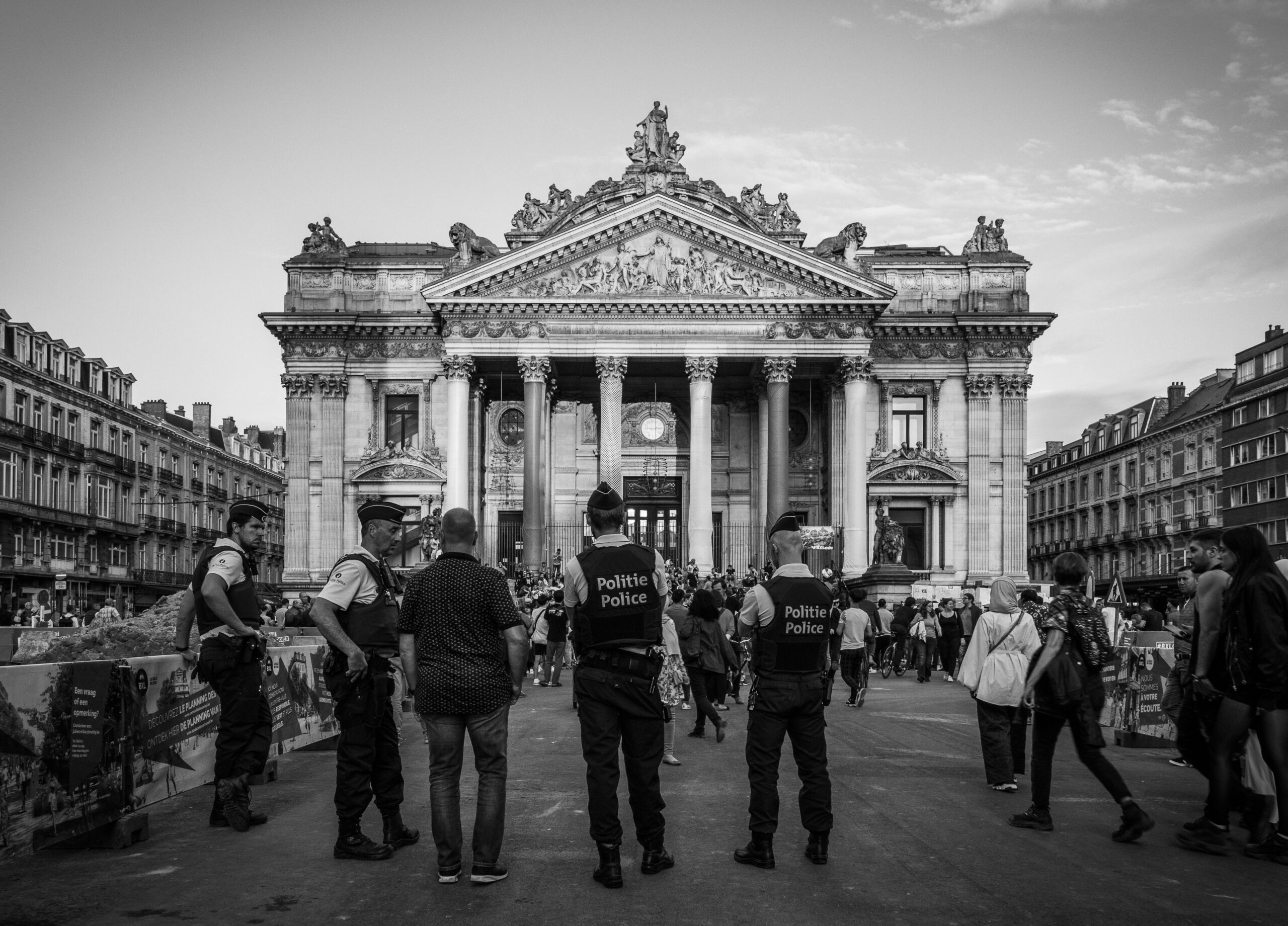
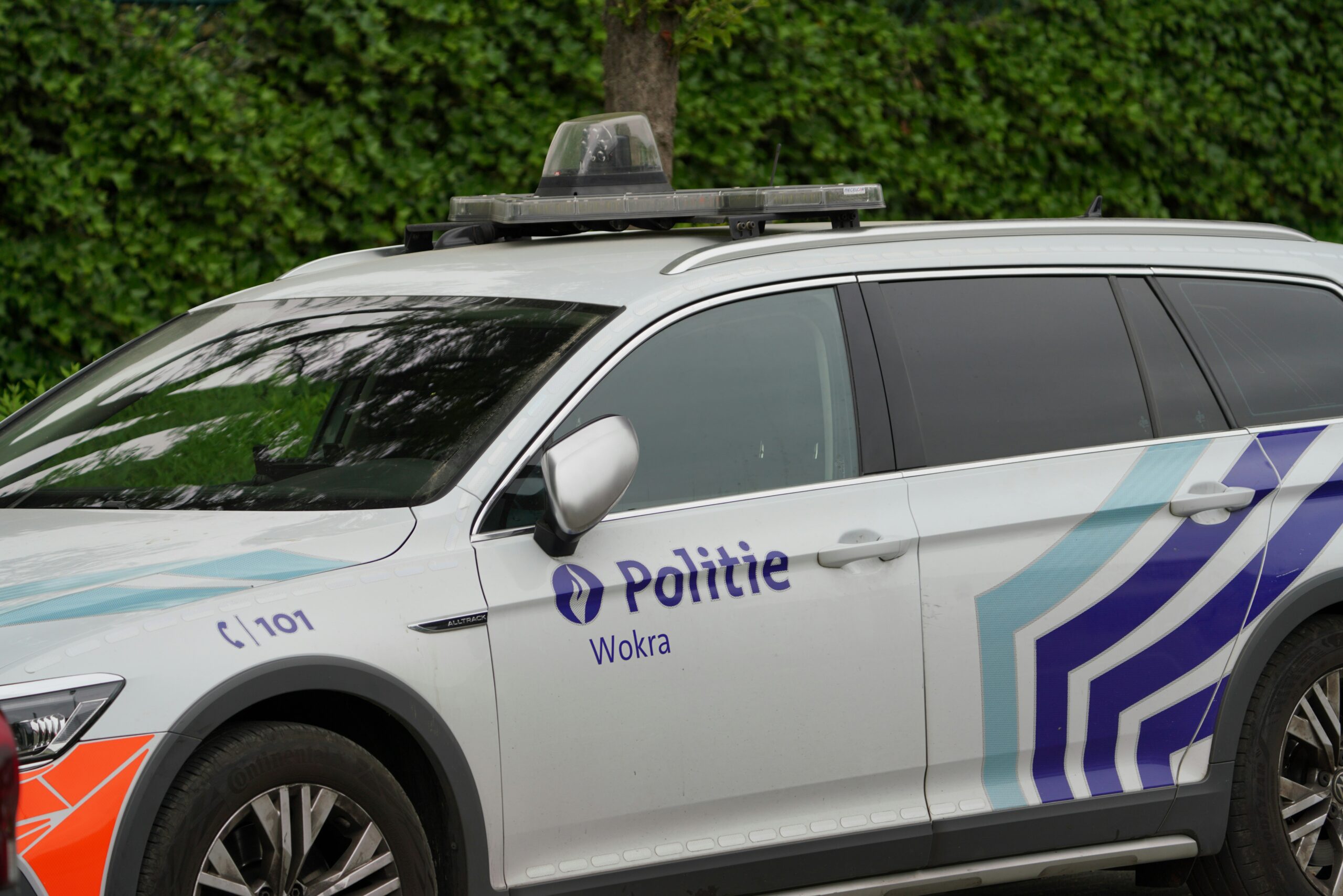
Police quickly established a security cordon around the site, closing the street while investigators examined the scene. The federal prosecutor’s office declined to provide further details on the incident, but confirmed it was leading the investigation.
One resident living near the synagogue told RTBF the blast shook her windows.
“We immediately understood it was an explosion,” she said. “But we thought it was a gas explosion”.