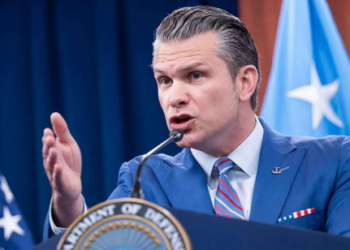
Federal regulators are taking a firm stance as they warn Waymo over emergency vehicles blocking first responders in active crisis zones. In a direct warning sent to autonomous vehicle operators, Jonathan Morrison, administrator of the National Highway Traffic Safety Administration (NHTSA), called out a dangerous trend of driverless cars interfering with police officers, fire trucks, and ambulances. Recent incidents, including a Waymo robotaxi blocking an ambulance near a mass shooting scene in Austin and another obstructing fire trucks in Dallas, have pushed safety officials to demand immediate fixes rather than excuses. NHTSA warned that any autonomous vehicle incapable of handling basic emergency conditions poses an unacceptable risk to public safety.
The Safety Incidents
The federal intervention follows months of complaints from emergency personnel across multiple major cities. First responders in San Francisco, Austin, and Dallas reported that driverless taxis frequently freeze when encountering flashing emergency lights, traffic cones, flares, or hand signals from police officers.
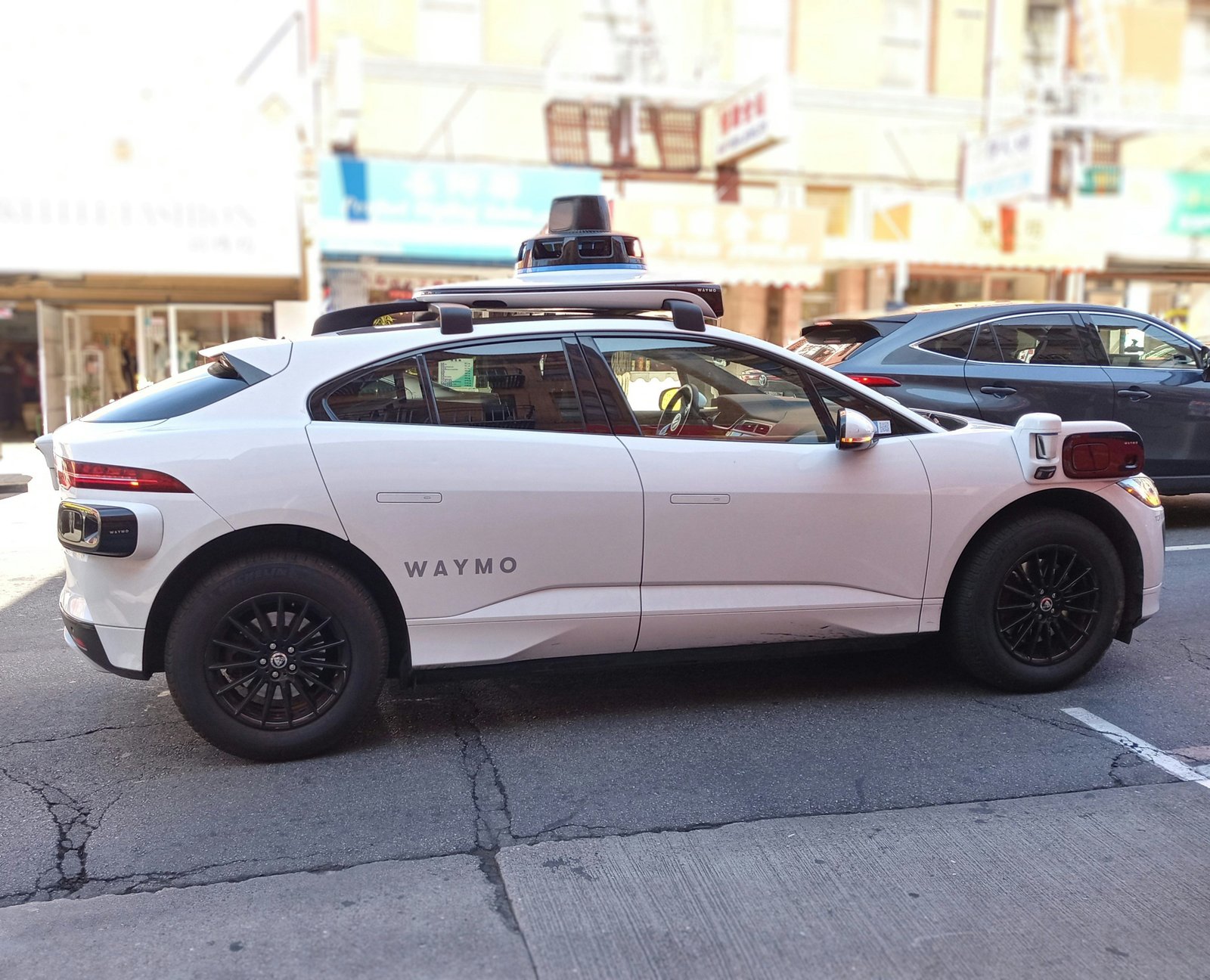
During a spring emergency response in Austin, a stalled robotaxi delayed an ambulance trying to reach shooting victims. In Dallas, another unit partially blocked the access route for fire engines responding to an apartment fire. Fire department leaders in California noted instances where unresponsive driverless cars blocked fire station driveways, preventing engines from deploying. Federal officials rejected the industry argument that complex emergency scenes are rare outliers. NHTSA made it clear that active emergency scenes are everyday realities on U.S. roads.
While human drivers face heavy fines or jail time for impeding first responders, regulatory frameworks for punishing software operators have lagged behind. NHTSA has given company executives a firm deadline to present concrete engineering solutions to prevent future blockages.
My Opinion
Autonomous vehicle developers have leaned on the “learning curve” argument for far too long, and regulators were right to drop the hammer.
When a driverless car gets confused by a parallel parking spot or misses a turns-only lane, it is an annoyance. When that same vehicle stops dead in the middle of a narrow street while an ambulance with flashing lights is trying to transport a critical patient, it becomes a life-or-death hazard. Every second lost to a frozen computer system directly compromises public safety.
Calling an active fire scene or a police blockade an “extreme edge case” misses the entire point of urban driving. Fire trucks, sirens, flares, and traffic cones happen every single day in every major American city. If an AI driving platform cannot reliably identify a paramedic waving a flashlight or pull over for an oncoming siren, that platform is simply not ready to operate on public roads without a human backup driver.
For years, tech companies have rolled out driverless fleets under the banner of improving road safety. But true safety isn’t just about avoiding basic collisions; it requires respecting the emergency workers who protect our communities. Until robotaxi firms prove their software can yield instantly and predictably to first responders, city authorities should have full power to limit fleet sizes on their streets.
What Happens Next
The message from the U.S is unequivocal as feds warn Waymo over emergency vehicles obstructing public safety workers. With NHTSA scheduling mandatory review sessions with driverless tech executives, companies must either deploy functional software updates or risk regulatory enforcement actions. As self-driving cars expand into more suburban and urban markets, proving they can handle real-world emergency scenes safely is no longer optional; it is a requirement to stay on the road.