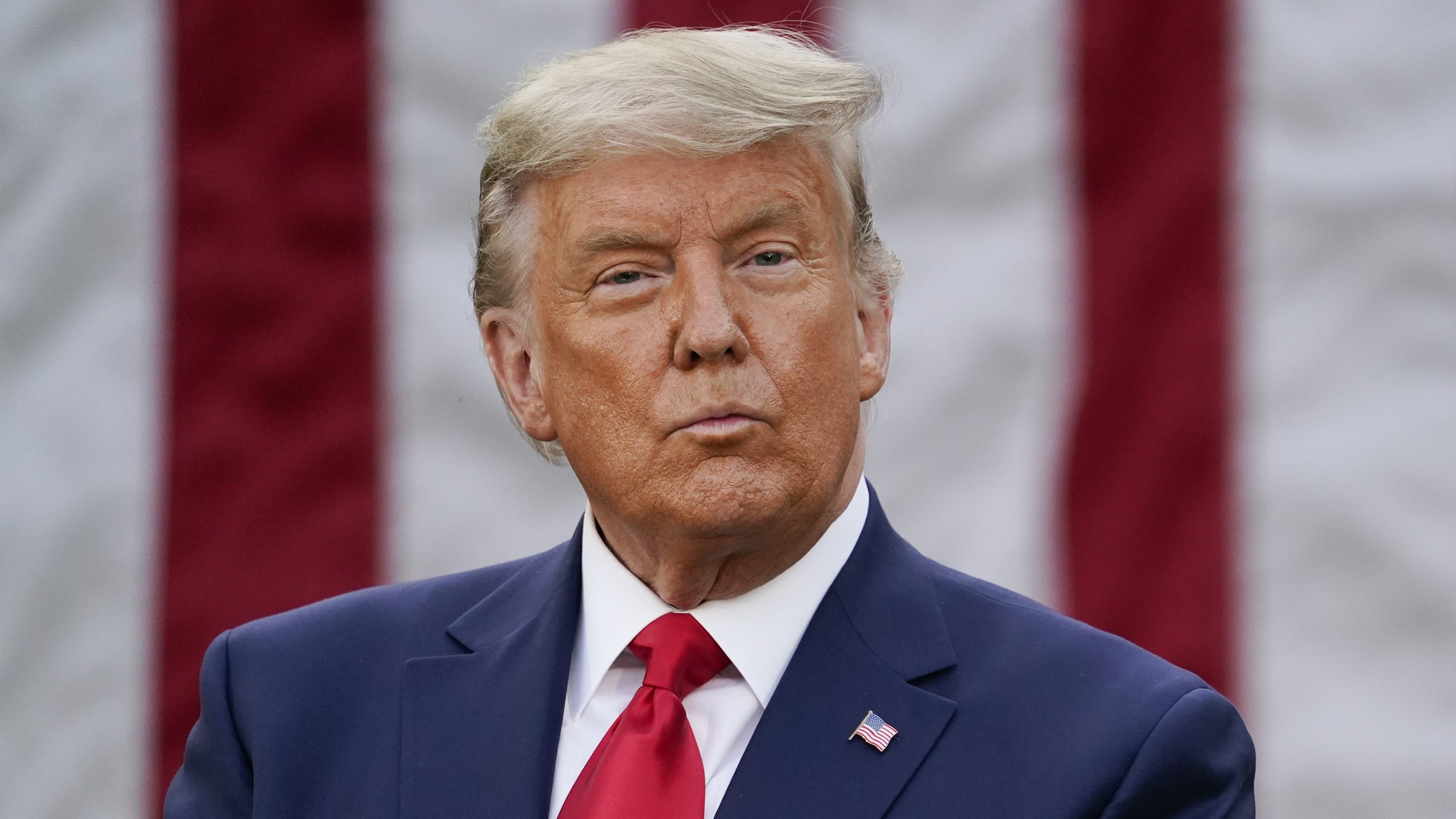

A court-appointed U.S. attorney sues Trump after being removed from his position just 54 minutes after taking the oath of office. Roger Rogoff, a former judge and prosecutor, was appointed by federal judges to lead the Western District of Washington in Seattle. Shortly after his swearing-in, the White House sent an email informing him that President Donald Trump had ordered his firing. Rogoff filed a lawsuit in federal court to challenge his quick dismissal, asking a judge to declare the firing illegal and restore him to his post until a Senate-confirmed nominee takes over.
Why the Attorney Sues Trump Over His Sudden Removal
The lawsuit centers on how the federal government fills long-standing legal vacancies. Under federal law, the president nominates a top prosecutor, who must then be confirmed by the Senate. If a vacancy lasts longer than 120 days without a Senate-confirmed pick, local district court judges have the legal right to step in and choose a temporary replacement.
Because the Seattle office had lacked a confirmed chief since 2023, the local judges unanimously picked Rogoff. His legal team argues that because Congress gave judges the power to fill these long gaps, the president cannot simply fire court picks to bypass the Senate confirmation process.

The administration sees things differently. Acting Attorney General Todd Blanche argued that while judges may name a temporary appointee, the president retains full executive power to fire any federal prosecutor. Justice Department officials added that the judges failed to consult with the White House before choosing Rogoff.
My Opinion
This lawsuit goes far beyond one person losing a job after less than an hour. It cuts right to the heart of how our legal system is supposed to work and whether the White House can ignore Congress’s rules for filling public offices.
When a president leaves important prosecutor positions open for years without sending nominees to the Senate, Congress created a clear backup plan: let local judges choose a qualified person so cases keep moving forward. Firing someone 54 minutes after they take office turns that safety system into a joke. It sends a clear message that the administration wants total control over who prosecutes federal crimes, even if it means ignoring the law built to prevent endless vacancies.
If the courts rule that a president can fire judicial picks instantly without ever sending a real candidate to the Senate, then the law giving judges appointment power becomes completely meaningless. That is dangerous because top prosecutors make decisions about who gets investigated and charged with serious crimes. These roles need stability and respect for the rule of law, not constant legal games.
Rogoff is doing the legal system a favor by forcing a judge to settle this question once and for all. Americans deserve to know whether the law still places limits on the White House or if a president can simply run the Justice Department without any checks from Congress or the courts.
Bottom Line
This case sets up a major legal test over presidential power versus congressional rules. As the court-appointed U.S. attorney sues Trump, federal courts must now decide whether the administration can routinely remove judge-selected prosecutors. The outcome will shape how regional federal prosecutor offices operate across the nation for years to come.