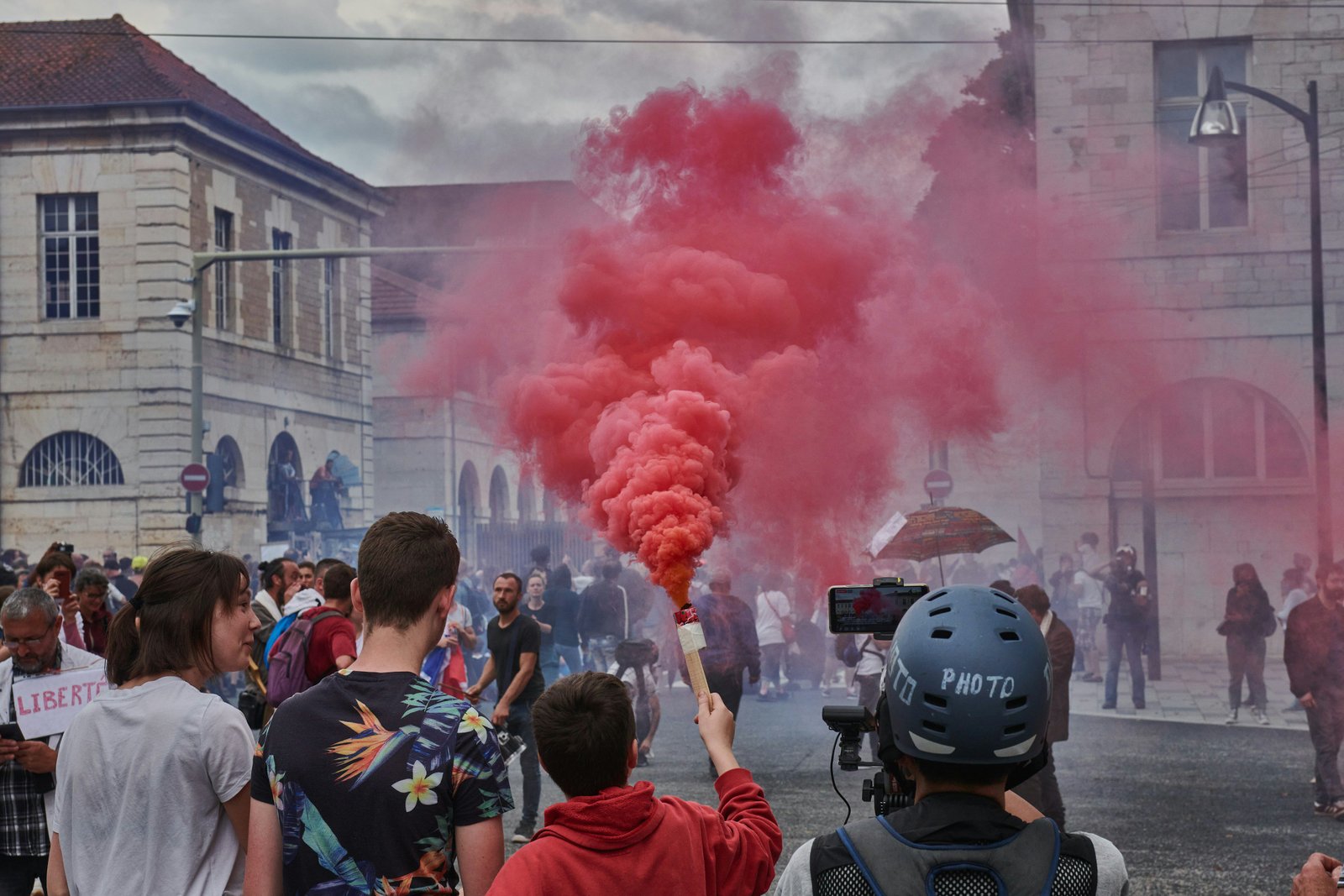

France’s prime minister has said he has asked regional authorities to impose partial curfews in some cities after the government admitted police had “lost control” in several places during violent weekend protests around the country.
Sébastien Lecornu said after an emergency cabinet meeting Monday he was “fully resolved to restore public order” and had called for “local and partial” curfews if needed. There was “no question” of imposing a full curfew on entire cities such as Paris, he added.
Lecornu told reporters that if declaring a state of emergency was deemed necessary “we could do so,” but added that at this stage partial curfews seemed “more appropriate.” He did not say which cities, or what form the curfews would take.
The Admission
His comments came after France’s interior minister conceded police “lost control” in some cities during Saturday’s protests and President Emmanuel Macron demanded a full security review and “new operational methods” to end the rioting.
Laurent Nuñez said Monday there had been a “lack of anticipation” in preparations for the protests and acknowledged that police numbers had sometimes been inadequate to deal with rioters and looters on the fringes of the demonstrations.
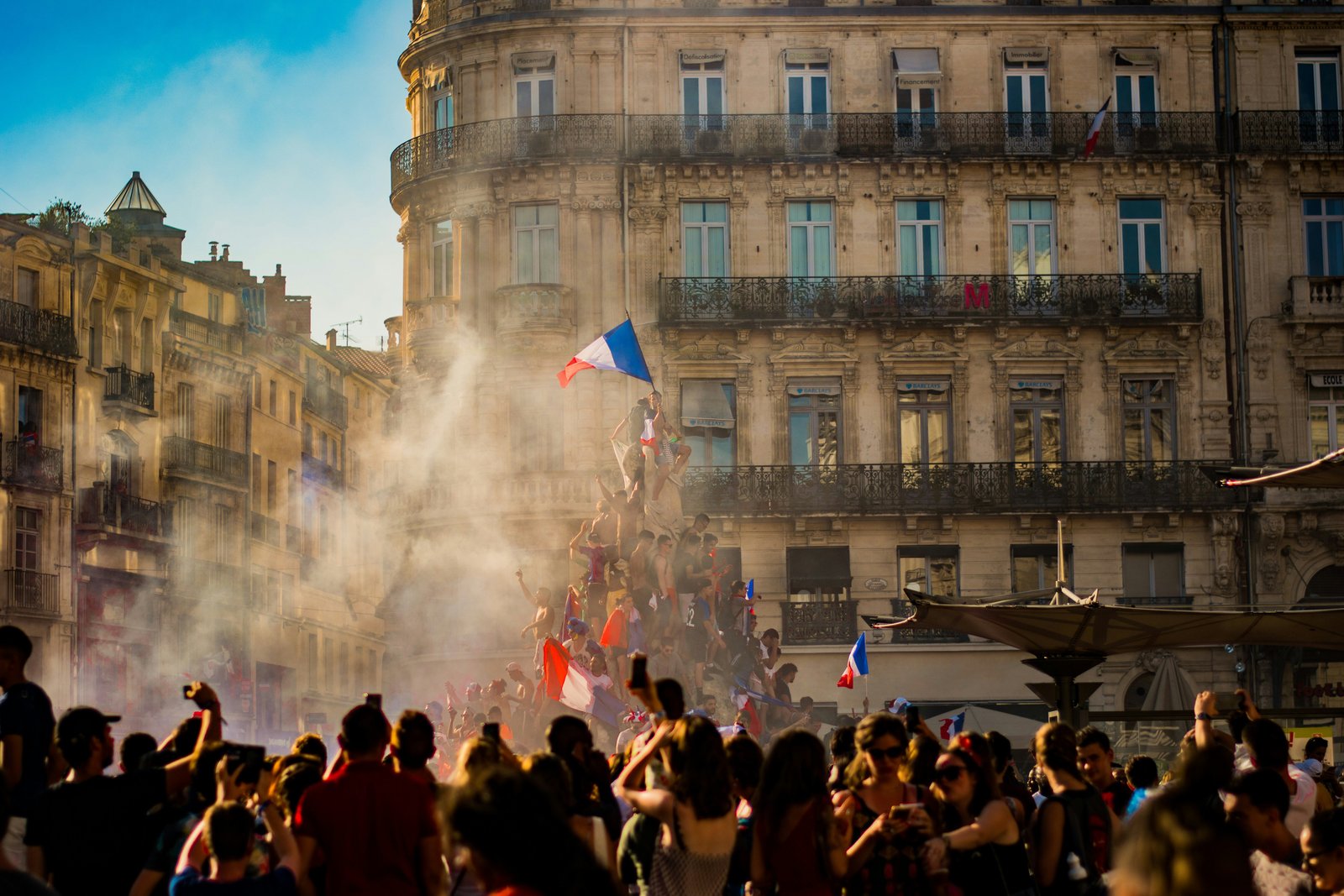
Nuñez said intelligence had suggested there would be 200,000 demonstrators around the country. In the event, there were more than 500,000, and peaceful protests were hijacked, morphing into one of France’s most violent days of unrest in recent years.
He said he had tendered his resignation to Macron because he felt “responsible for everything that happened.” Macron refused it, demanding instead that Nuñez “take all necessary steps to ensure transparency over planning and intelligence failures.”
The Scale of the Violence
Public buildings, including a town hall, were attacked and set ablaze. An estimated 2,000 shops were ransacked and looted, authorities said. Nearly 2,400 people — 70% of them adults — were arrested, and almost 1,000 police and gendarmes were injured.
Nuñez said 60,000 police and other security forces had been deployed around the country but acknowledged it had not been enough to control determined, organized groups of violent rioters in major cities including Paris, Marseille, and Lyon.
“You couldn’t look shopkeepers in the eye after hundreds of shops had been looted and say we hadn’t lost control,” the minister told French radio, but added that the responsibility of “rioters, looters, and ultra-left militants” should not be glossed over.
The Political Fallout
The protests follow weeks of demonstrations by high school students that have been marred by sometimes violent clashes with police, rocking the country six months before a crunch presidential election and amid mounting economic pressures.
The justice minister, Gérald Darmanin, said intelligence failings had left the state vulnerable. “There’s no good policing without good intelligence,” he said, adding that many of those arrested had police records and “about 80%” were being prosecuted.
Paris Mayor Emmanuel Grégoire said about 30 shops had been targeted in the capital on Sunday, with a further 350 people arrested overnight. “Maintaining public order is the responsibility of the state. It is the state that was at fault this weekend,” he said.
The Bottom Line
French police “lost control” during violent weekend protests that saw 2,000 shops looted, a town hall set ablaze, and nearly 2,400 people arrested, the interior minister has admitted. Prime Minister Sébastien Lecornu has called for partial curfews in some cities as the government scrambles to restore order. The unrest comes six months before a presidential election and has exposed intelligence and planning failures at the highest levels of the French state.
My Opinion
The French interior minister admitted what the shopkeepers already knew: the police lost control. Two thousand shops looted. A town hall set on fire. Nearly 1,000 officers injured. That is not a protest. That is a breakdown.
The government’s response has been predictable. Blame the intelligence. Blame the “ultra-left militants.” Blame the rioters. But the intelligence failure was not that there would be protests — it was that the government underestimated how many people would show up and how angry they were. They predicted 200,000. More than 500,000 came.
Six months before a presidential election, France is facing a social movement that the government does not understand and cannot control. The protests are about the cost of living — the same issue driving demonstrations across Europe. Macron’s government has offered curfews and security reviews. What it has not offered is a plan to address the economic pain that brought people into the streets.
Curfews might restore order, but they will not restore trust. And without trust, the next protest will be even bigger