
President Donald Trump returned from his two-day summit in Beijing, proclaiming victory. “We’ve made some fantastic trade deals, great for both countries,” he told reporters aboard Air Force One.
China’s official readout was more restrained. And analysts parsing the public statements are struggling to find evidence of major change.
The gap between Trump’s enthusiastic claims and the available specifics has left a critical question unanswered: What did he actually agree to?
The New Institutions: Boards of Trade and Investment
The most concrete outcome from the summit is an agreement to create two new bilateral mechanisms: the U.S.-China Board of Trade and the U.S.-China Board of Investment.
These are designed to manage economic relations in non-sensitive sectors without reopening tariff negotiations. U.S. Trade Representative Jamison Greer has described this approach as an “adapter” that helps connect two incompatible economic systems, rather than demanding fundamental changes to China’s state-directed model.
The Board of Investment would serve as a government-to-government forum for discussing Chinese investment in “non-strategic, non-sensitive” sectors of the U.S. economy, potentially allowing deals to be reviewed before they face scrutiny from the Committee on Foreign Investment in the United States.
Trade officials expect a $30 billion-for-$30 billion framework for tariff reduction on non-sensitive goods to launch the mechanism, though specific products have not yet been identified.
The Boeing Deal: Promises vs. Commitments
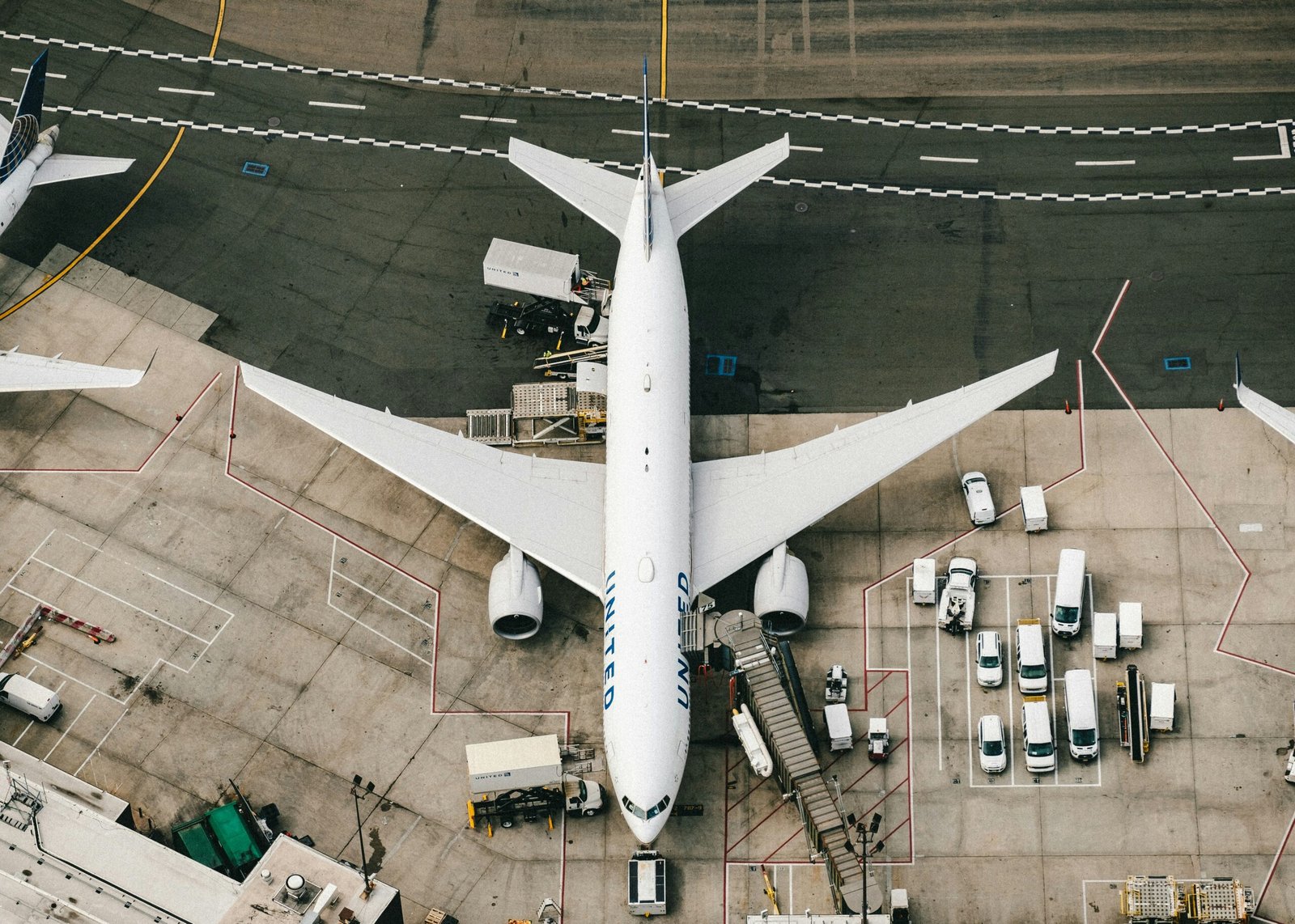
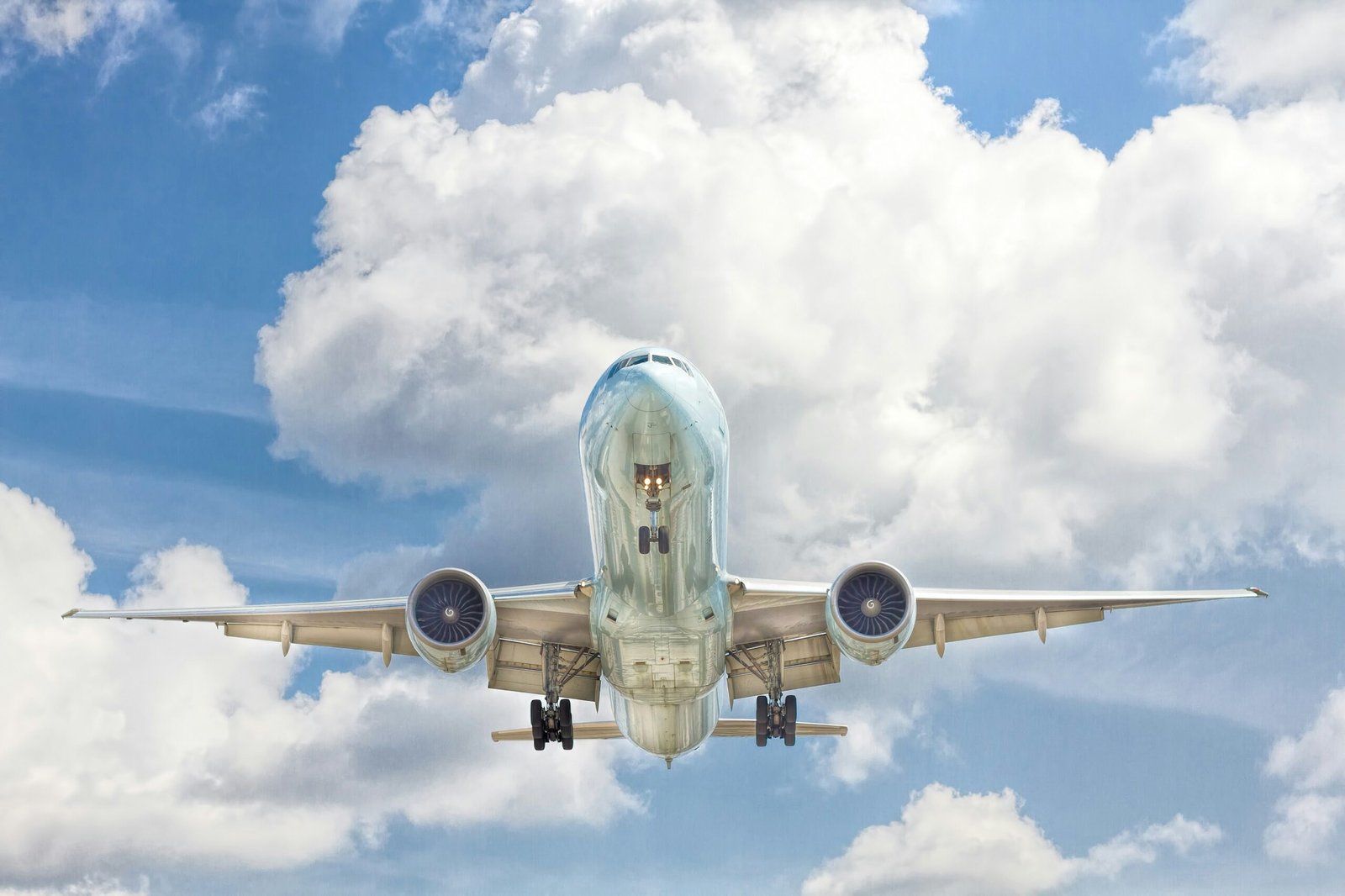
Trump announced that China had agreed to purchase 200 Boeing aircraft, with a potential commitment to buy an additional 750 planes if the first order goes well.
U.S. Trade Representative Greer told CBS’s “Face the Nation” that the 200 Boeings are “locked in”. However, China’s Foreign Ministry did not confirm this purchase in its official statements. Boeing’s share price dropped by more than four percent following Trump’s announcement.
The deal would mark China’s first major Boeing order since 2017, when a $37 billion, 300-plane contract was announced during Trump’s first state visit. Boeing CEO Kelly Ortberg was part of the CEO entourage that traveled to Beijing, and he had publicly urged Washington to help unlock orders that have been frozen for nearly a decade due to trade tensions and safety concerns surrounding the 737 Max.
Agriculture: A Familiar Commitment
Trump claimed that China had agreed to purchase “billions of dollars” of U.S. soybeans. China has since committed to purchasing at least $17 billion worth of U.S. agricultural products annually over the next three years.
However, CBS’s Margaret Brennan pressed Greer on whether this represented new business or a re-announcement of a previous deal. “The conservative Wall Street Journal editorial board questioned whether the summit achieved any of the stated wins,” Brennan noted. “They said Mr. Trump boasted about the ‘fantastic’ Chinese purchases of U.S. soybeans and aircraft, but China didn’t confirm the sales. By our count, this is the second time China has bought the same American soybeans, or is it the third?”
Greer responded that a deal had been in place since October 2025, requiring China to purchase 25 million metric tons of soybeans annually. The new agreement represents “double-digit purchases of aggregate agricultural products” including beef, grains, and dairy, though specific numbers have not been finalized.
Rare Earths and Energy
China has agreed to address U.S. concerns over rare earth supply chains, including materials such as yttrium, scandium, and neodymium, and to ease restrictions on production and processing equipment. This is significant given that China’s previous refusal to supply rare earth minerals crucial to the U.S. tech industry contributed to last year’s trade tensions.
China also expressed interest in purchasing U.S. oil, though no specific volume or timeline was announced.
The Geopolitical Dimension
Beyond trade, the two leaders signaled alignment on several geopolitical issues. Both agreed that Iran cannot have a nuclear weapon and called for the Strait of Hormuz to be reopened. China has also reportedly agreed not to provide military equipment to Iran, though this has not been officially confirmed.
In Taiwan, Xi warned Trump of possible “clashes and even conflicts” if the issue is not handled properly. The U.S. made no commitment to change its policy on arms sales to the island, with Trump saying he would “make a determination over the next fairly short period”.
The Analysts’ Take
Experts are cautious about reading too much into the summit’s outcomes.
“A summit where symbolism outweighs substance,” said Rush Doshi, director of the China Strategy Initiative at the Council on Foreign Relations.
“There was a focus on managing problems, not on solving the problems that exist between the U.S. and China,” Doshi noted.
Mona Paulsen, a trade lawyer at the London School of Economics, advised caution. “My status quo is, until I see something on paper, to assume that nothing has changed. We really now need to see whether it will all just be talk or whether it will be followed up with certain formal action,” she told CBC News.
For Beijing, the most important achievement was securing agreement on “strategic stability” — a term that signals a shift in U.S.-China relations toward a more positive trajectory. Yun Sun, director of the China program at the Stimson Center, said this “signifies the shift in U.S.-China relations toward a more positive trajectory”.
The Bottom Line
Trump returned from Beijing claiming fantastic deals: 200 Boeing planes with potential for 750 more, billions in agricultural purchases, and new institutional frameworks for managing trade and investment.
China has confirmed some of these commitments, but not all. The Boards of Trade and Investment are real, but their具体 impact depends on implementation. The Boeing orders are significant if finalized, but past deals have failed to materialize. The agricultural commitments partially restate previous agreements.
Perhaps the most honest assessment came from Trump’s own trade representative, who told CBS that his team is still “finalizing a fact sheet” with specifics.
For now, the summit appears to have achieved stabilization rather than transformation. The relationship is no longer spiraling downward. But whether it is actually moving forward remains an open question.