
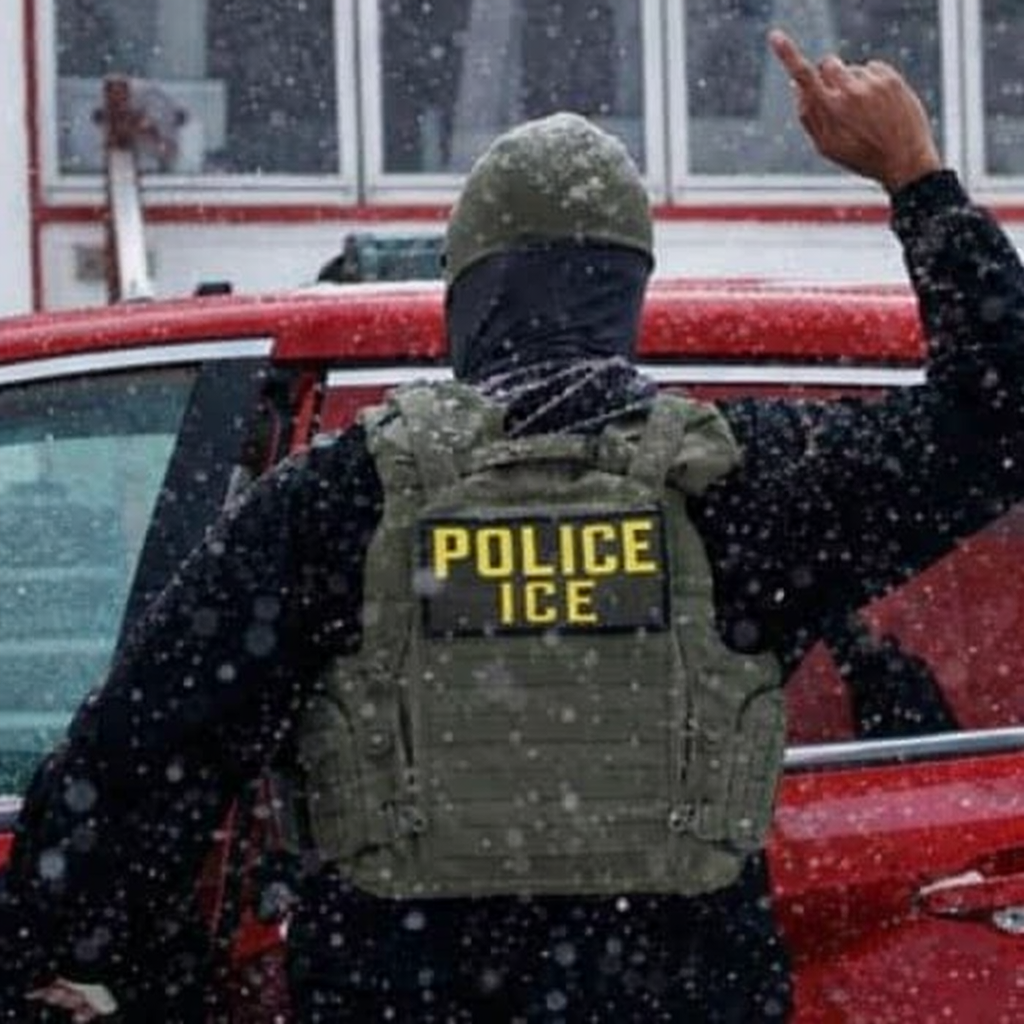
In a show of mass defiance against a federal immigration crackdown, thousands of protesters braved subzero temperatures to march through the streets of Minneapolis on Friday, demanding an end to the local operations of U.S. Immigration and Customs Enforcement (ICE) under President Donald Trump.
A City Shuts Down in Protest
Organizers for the “ICE OUT!” general strike claimed up to 50,000 people participated in the marches—a figure Reuters could not independently verify, as city police did not provide a crowd estimate. Scores of businesses across Minnesota reportedly closed for the day, with many workers and residents joining the protests. The demonstrations followed weeks of escalating, sometimes violent, confrontations between protesters and ICE agents in the city.
Clergy Arrested, Corporate Silence
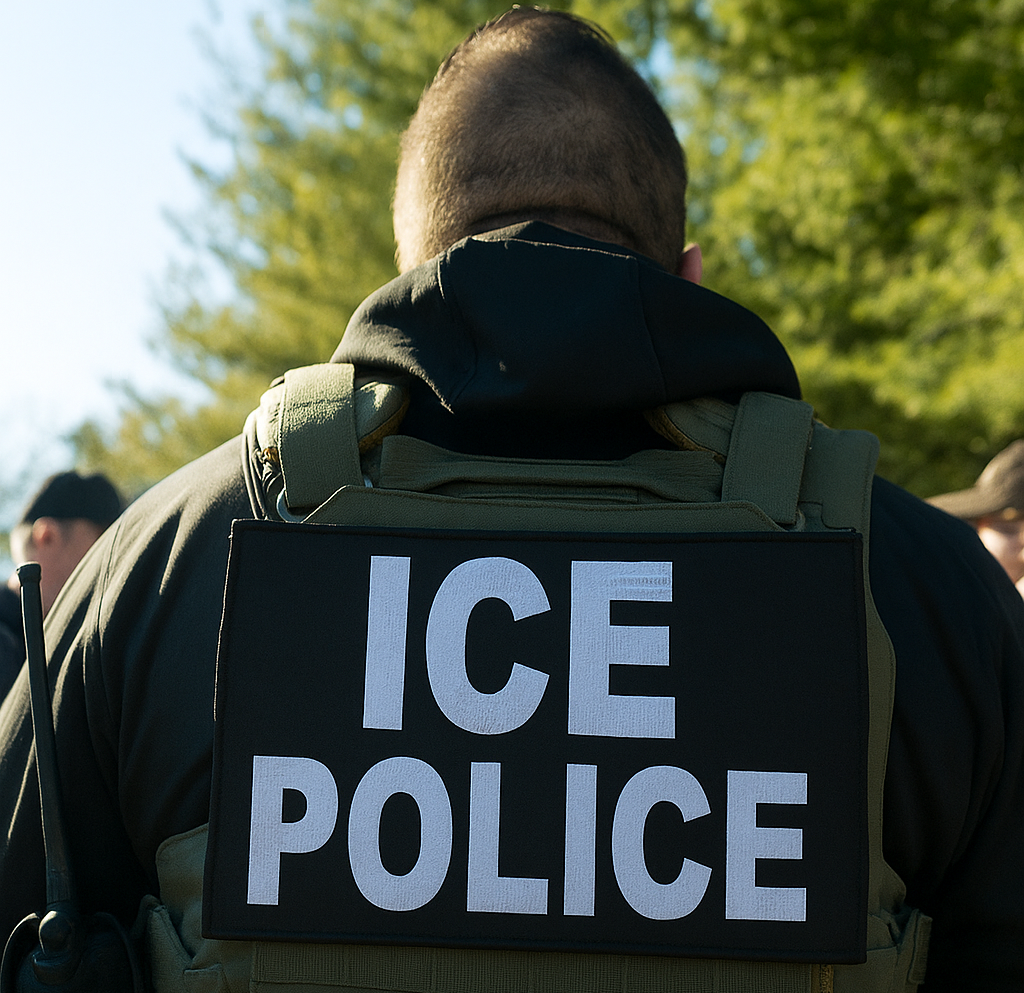
The protest featured dramatic acts of civil disobedience. Dozens of clergy members were arrested by local police after kneeling and praying on a roadway at Minneapolis-Saint Paul International Airport, blocking traffic in a call for Trump to withdraw the roughly 3,000 federal officers deployed to the area. Reuters observed the arrests; the protesters did not resist as they were zip-tied and led onto buses.
The protest’s central demands included a thorough investigation and legal accountability for the ICE agent who shot and killed Renee Good, a U.S. citizen, in her car earlier this month. Good was reportedly monitoring ICE activities at the time of her death.
Protest leaders sharply criticized major Minnesota-based corporations, including Fortune 500 giants like Target, UnitedHealth, and 3M, for their public silence on the ICE surge. “The silence from the corporations in the state is deafening,” comedian and host Lizz Winstead told a large indoor rally at the Target Center arena.
Political Backdrop
The protests represent a peak in local backlash against Trump’s aggressive immigration enforcement platform, a central pillar of his 2024 election victory. Vice President JD Vance visited Minneapolis just one day prior to the protests, urging local leaders to reduce tensions and defending ICE’s mission to detain immigration violators.
Organizers framed the conflict as a broader struggle. “We are facing a full federal occupation by the United States government through the arm of ICE on unceded Dakota land,” said Rachel Dionne-Thunder of the Indigenous Protector Movement.
The demonstration ended with a large indoor rally, where a diverse coalition of community, labor, and faith leaders continued to call for ICE’s withdrawal and justice for Renee Good, as the frigid city outside grappled with the political and human cost of the ongoing crackdown.