
Maryland’s effort to expand accessible housing just hit a good milestone, as Governor Moore officially announced more than $1 billion in state financing, tax credits, and specialized funding. This capital injection is specifically designed to construct or preserve 3,025 affordable housing units across the state. By coordinating state-level resources, the administration aims to tackle the rising cost of living and secure high-quality, energy-efficient rental homes for families, seniors, and local workers who are increasingly being priced out of the market.
Breaking Down the $1 Billion Financing Package
This funding represents a multi-layered financial strategy. To make these 3,025 rental homes a reality, the Maryland Department of Housing and Community Development closed 28 separate multifamily deals using several key state tools:
1. Bond Financing: Approximately $500 million was raised through the state’s Multifamily Bond Program.
2. Low-Income Tax Credits: Over $440 million was generated through Low-Income Housing Tax Credit equity.
3. Rental Housing Programs: Nearly $79 million was directly funneled through dedicated state rental housing funds.
4. Green Energy Investments: More than $6.3 million was allocated to make the new properties highly energy-efficient.
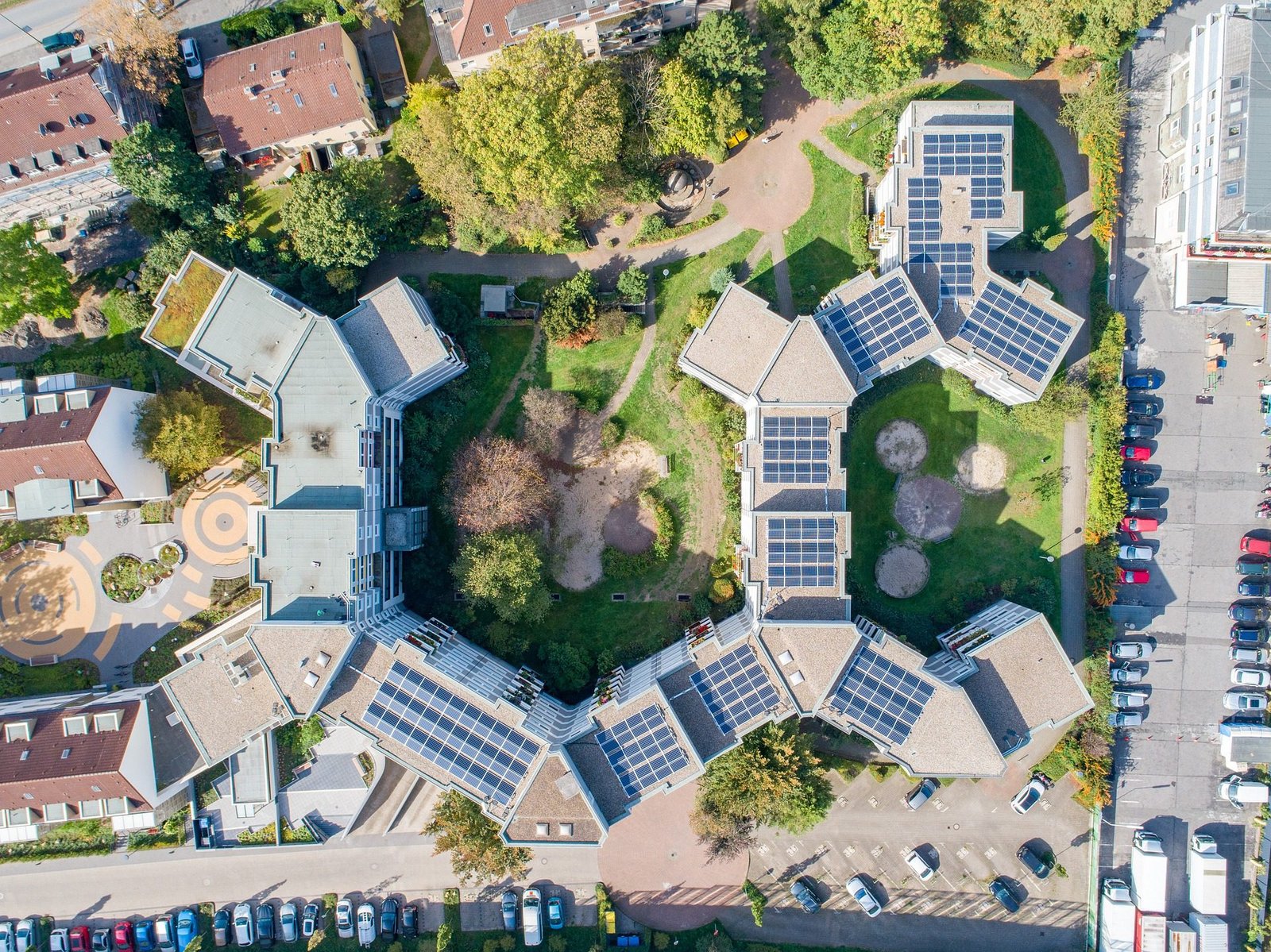
This marks the third consecutive year that Governor Moore has successfully dedicated over $1 billion toward affordable housing development. Since Fiscal Year 2024, the administration has invested a total of $4.4 billion to create or preserve nearly 10,000 units statewide.
Spotlight on the Silver Spring Senior Project
A major portion of this package is going directly to Silver Spring. The state has locked in over $57 million to fund the construction of Springvale Terrace, a new 236-unit affordable senior community. Developed in a joint partnership by Enterprise Community Development and Seabury Resources for Aging, the project will specifically provide safe, accessible, and budget-friendly apartments for older Marylanders who face the highest risk of displacement due to surging local rents.
My Opinion
Not dedicating a billion dollars to affordable housing for three years in a row is a massive achievement. Governor Moore deserves real credit for actually putting state money where his mouth is. In a country where politicians love to give empty speeches about the housing crisis while doing absolutely nothing, Maryland is actively building physical, energy-efficient homes. For the seniors who will get to live in the new Springvale Terrace complex in Silver Spring, this state financing is a literal lifesaver.
However, we need to be realistic about the scale of the crisis. While 3,000 new rental homes is a great step forward, Maryland is currently facing an estimated shortage of nearly 96,000 housing units. We cannot simply spend our way out of a shortage of this size. If the state does not aggressively reform its outdated, restrictive local zoning laws, all of this funding will eventually run into a brick wall.
It does not matter how many millions of dollars you award to developers if local neighborhood groups and bureaucratic zoning boards can tie up a project in legal battles for five years before a single brick is laid. If Moore truly wants to make Maryland affordable for working-class families, his administration has to match this capital with aggressive policy reform, specifically by taking away the power of local municipalities to block high-density housing projects near transit hubs. Funding is a fantastic tool, but zoning reform is the actual key that unlocks long-term affordability.
Bottom Line
The announcement of more than $1 billion in affordable housing awards proves that Maryland is taking the cost-of-living crisis seriously. By utilizing creative financing and tax incentives, Governor Moore is successfully delivering thousands of new rental homes to the state’s most vulnerable residents. While there is still a massive mountain to climb to completely erase the state’s housing deficit, these targeted investments lay a strong, durable foundation for a fairer and more accessible housing market.