
Greenland has drawn a clear line. The Arctic island says it will not accept control from the United States and insists its defence must stay within NATO. This response comes as President Donald Trump again speaks openly about taking over Greenland, arguing it is needed for U.S. security. For Greenland and its leaders. Their future is not for sale, and their safety is a shared responsibility, not an American project.
A Firm Answer From Greenland
On Monday, Greenland’s coalition government said it will strengthen efforts to protect the island through NATO. In the same breath, it rejected any idea of a U.S. takeover. The government made it clear that Greenland’s place is already defined. It is part of the Kingdom of Denmark and a member of NATO through that relationship.
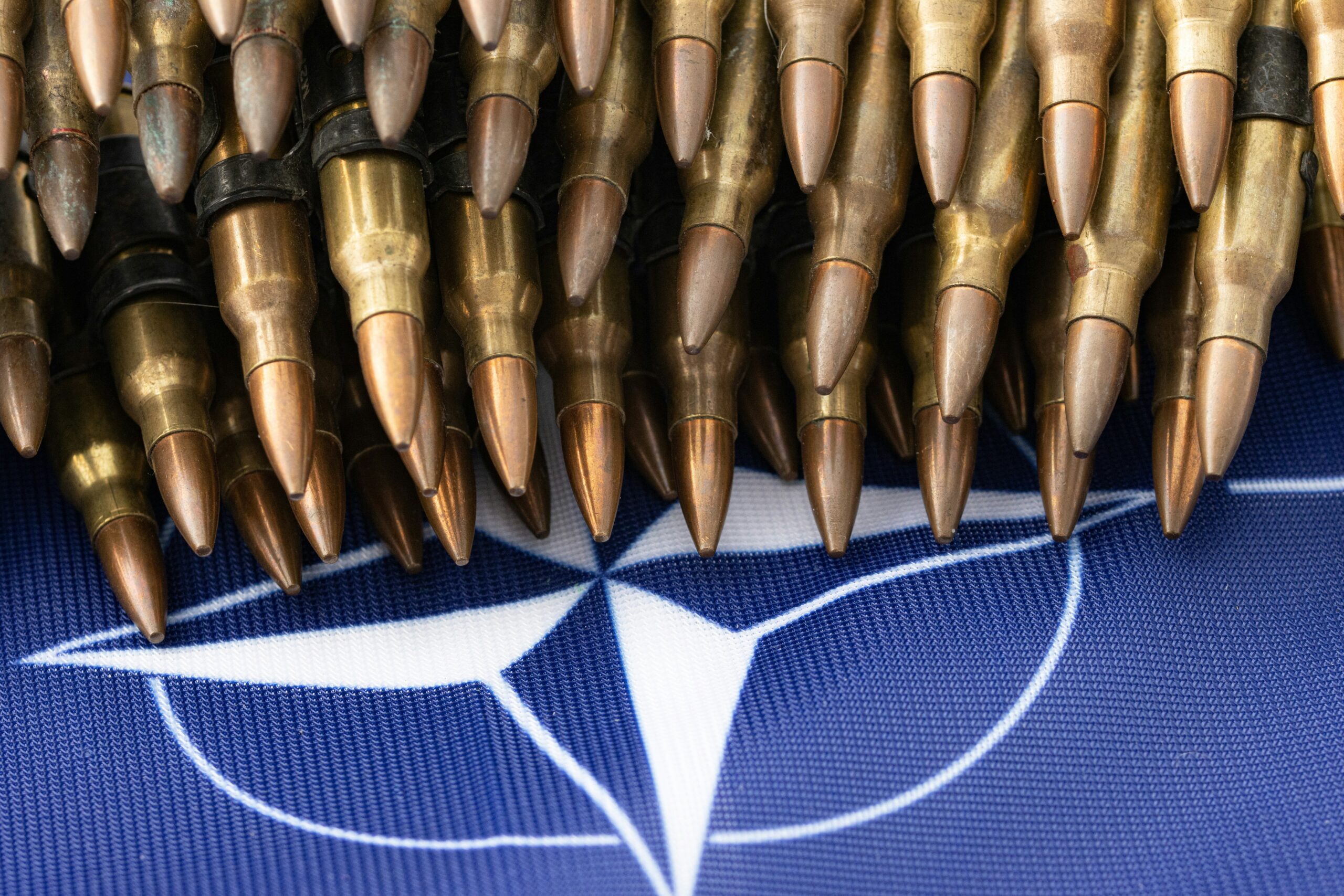
“All NATO member states, including the United States, have a common interest in the defence of Greenland,” the government said. But it added that this interest does not give any country the right to claim ownership.
This was not emotional language. It was calm, firm, and deliberate. Greenland is reminding Washington that alliances are built on agreement, not force or pressure.
Why Trump Wants Greenland
President Trump has argued that the United States must own Greenland to stop Russia or China from gaining influence there. The island sits in a strategic Arctic location and is rich in minerals. As global interest in the Arctic grows, Greenland has become more important than ever.
Trump first raised the idea in 2019. At the time, it was widely criticised and dismissed as unrealistic. Yet the fact that it has returned shows that U.S. strategic thinking around Greenland has not changed much.
From Washington’s view, this is about power and prevention. From Greenland’s view, it sounds like old-style thinking that ignores the rights of people who live there.
NATO, not ownership
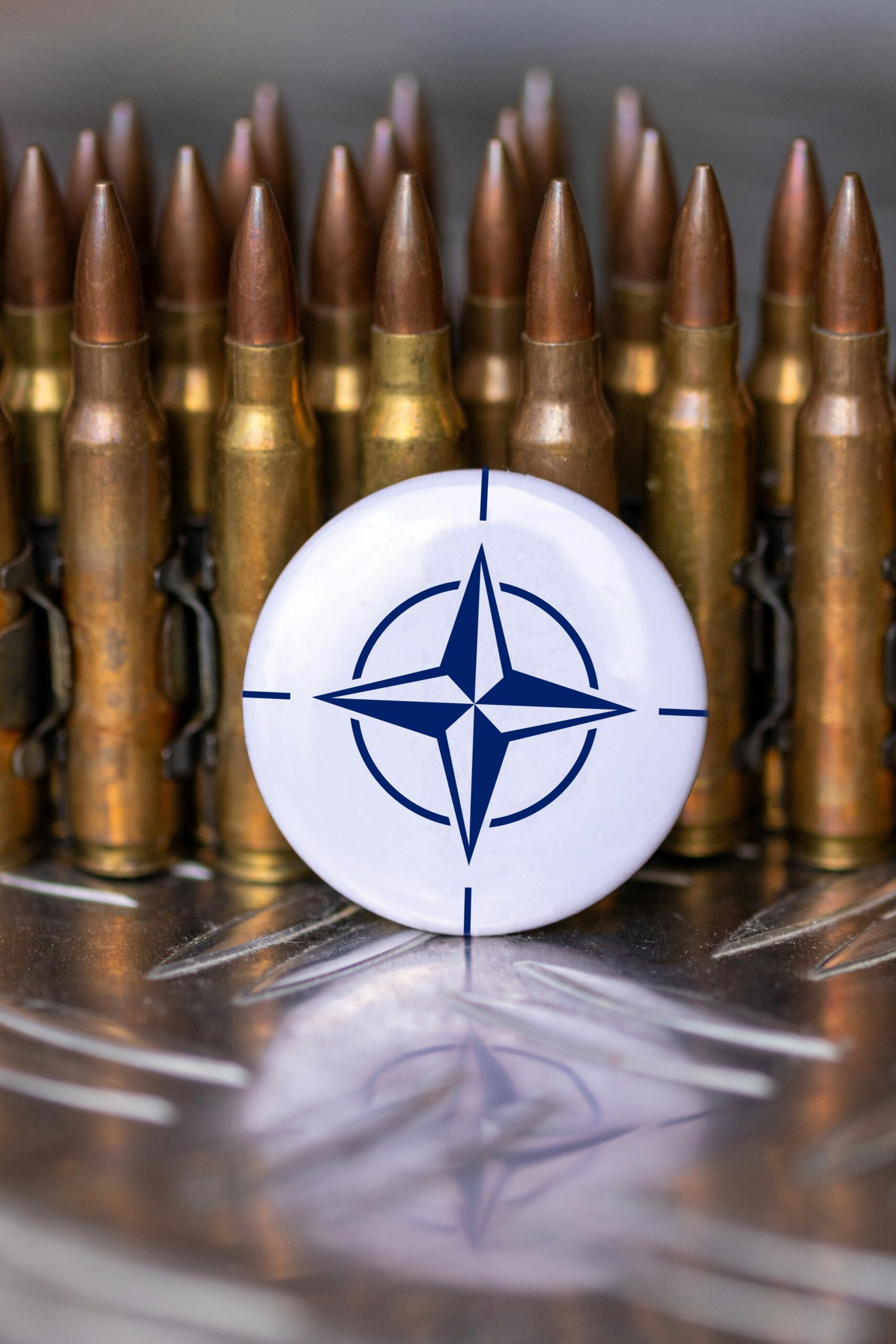
Greenland’s leaders are not rejecting cooperation. In fact, they are calling for more cooperation, but through NATO. They argue that NATO already exists to handle shared defence and security concerns. If Russia or China is a worry, NATO is the proper framework to address it.
The European Union’s Defence and Space Commissioner, Andrius Kubilius, went further. He warned that a U.S. military takeover of Greenland would mean the end of NATO. That statement shows how serious the issue is. NATO works because its members trust each other. A forced takeover would destroy that trust.
This is why Greenland’s stance matters beyond its borders. It is not just about one island. It is about how alliances function in a changing world.
Greenland’s Growing Confidence
Greenland has been moving slowly toward independence since 1979. All major political parties on the island support this long-term goal. While it remains part of Denmark, it increasingly speaks with its own voice on global issues.
Prime Minister Jens-Frederik Nielsen made this clear when he said Greenland is a democratic society that makes its own decisions, based on international law. That statement matters. It shows Greenland does not see itself as a pawn between big powers, but as an actor with rights.
This confidence is new compared to decades past. Greenland is no longer content to let others speak for it.
A Bigger Signal to The World
This tells the world that even small territories are pushing back against big-power thinking. It also shows that NATO members are nervous about internal pressure and power plays.
Trump may believe he is protecting American interests. But his words have pushed Greenland closer to Europe and NATO unity, not closer to Washington alone.
In today’s world, control is no longer the same as influence. Greenland understands this, and it is choosing cooperation over ownership. That choice may shape Arctic politics for years to come.