
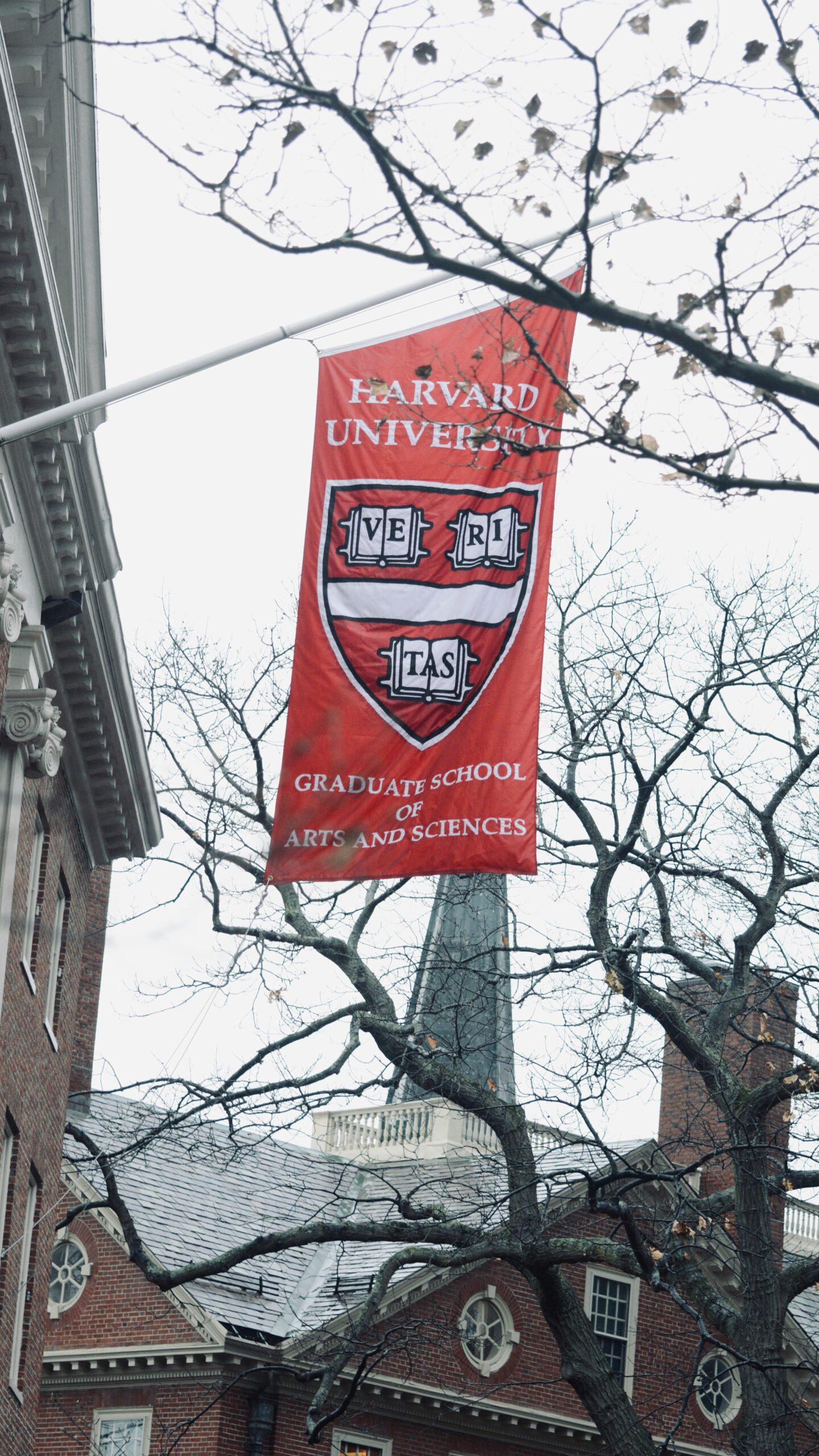
The Trump administration has sued Harvard University, accusing the Ivy League school of unlawfully withholding documents needed to determine whether it continues to consider race in admissions despite a 2023 Supreme Court ruling banning the practice.
The lawsuit, filed Thursday in US District Court in Massachusetts, alleges Harvard violated Section 3 of the Civil Rights Act by refusing to turn over applicant-level data, internal correspondence about race and ethnicity, and records related to diversity, equity, and inclusion initiatives.
“Providing requested data is a basic expectation of any credible compliance process,” Assistant Attorney General Harmeet Dhillon, head of the Justice Department’s civil rights division, said in a Friday statement.
The government says it has been seeking the records since April 2025. Nearly a year later, Harvard has produced nothing.
‘Slow-Walked’ and ‘Withheld’
According to the complaint, Harvard “repeatedly slow-walked the pace of production and refused to produce pertinent data.” The university has also failed to provide “sufficient” material for review, including individualized applicant admissions files and correspondence related to race-conscious policies.
The lawsuit does not accuse Harvard of ongoing discrimination. It does not seek monetary damages or ask the court to revoke federal funding.
Instead, it asks for a straightforward legal remedy: an injunction ordering Harvard to hand over the documents and comply with future requests.
But the stakes are anything but straightforward. The lawsuit is the latest front in an escalating war between the Trump administration and one of America’s most powerful universities—a conflict that has already seen $2 billion in federal grants revoked, restored by court order, and then threatened again.
Harvard’s Response
In an emailed statement to the BBC, Harvard said it has been “responding to the government’s inquiries in good faith and continues to be willing to engage with the government according to the process required by law.”
The university also said it “refused to surrender its independence or relinquish its constitutional rights in response to unlawful government overreach.”
Harvard maintains it has already changed its admissions procedures to comply with the 2023 Supreme Court ruling. Admissions staff no longer have access to applicants’ answers about race and ethnicity until after the process is finished. Alumni interviewers are instructed not to ask about or consider an applicant’s race.
The government’s response: “If Harvard has stopped discriminating, it should happily share the data necessary to prove it.”
The $1 Billion Question
The lawsuit comes just weeks after President Trump announced he would seek $1 billion in damages from Harvard, accusing the university of promoting “woke” policies and discriminating against Jewish students.
That demand followed a pattern. In April 2025, Trump revoked roughly $2 billion in research grants and froze federal funding to Harvard. The university sued, and a federal court overturned the cuts, ruling the government had violated Harvard’s free speech rights.
The White House vowed to immediately challenge the “egregious decision,” declaring Harvard “ineligible for grants in the future.”
Meanwhile, three other Ivy League universities—Columbia, Penn, and Brown—struck deals with the Trump administration to preserve their federal funding. Harvard did not.
What Comes Next
The government notes in its complaint that it “does not accuse Harvard of any discriminatory conduct.” It is not asking the court to punish the university.
But the message is clear: comply, or face continued legal pressure.
For Harvard, the choice is between handing over internal records it considers protected and continuing to fight an administration that has already shown it will use every lever of federal power to extract concessions.
For the Trump administration, the lawsuit is another opportunity to demonstrate that no institution—no matter how prestigious—is above scrutiny when it comes to race and admissions.
The case now moves forward in federal court. Harvard says it remains willing to engage. The government says it has waited long enough.
“If Harvard has stopped discriminating,” Dhillon’s office said, “it should happily share the data.”