

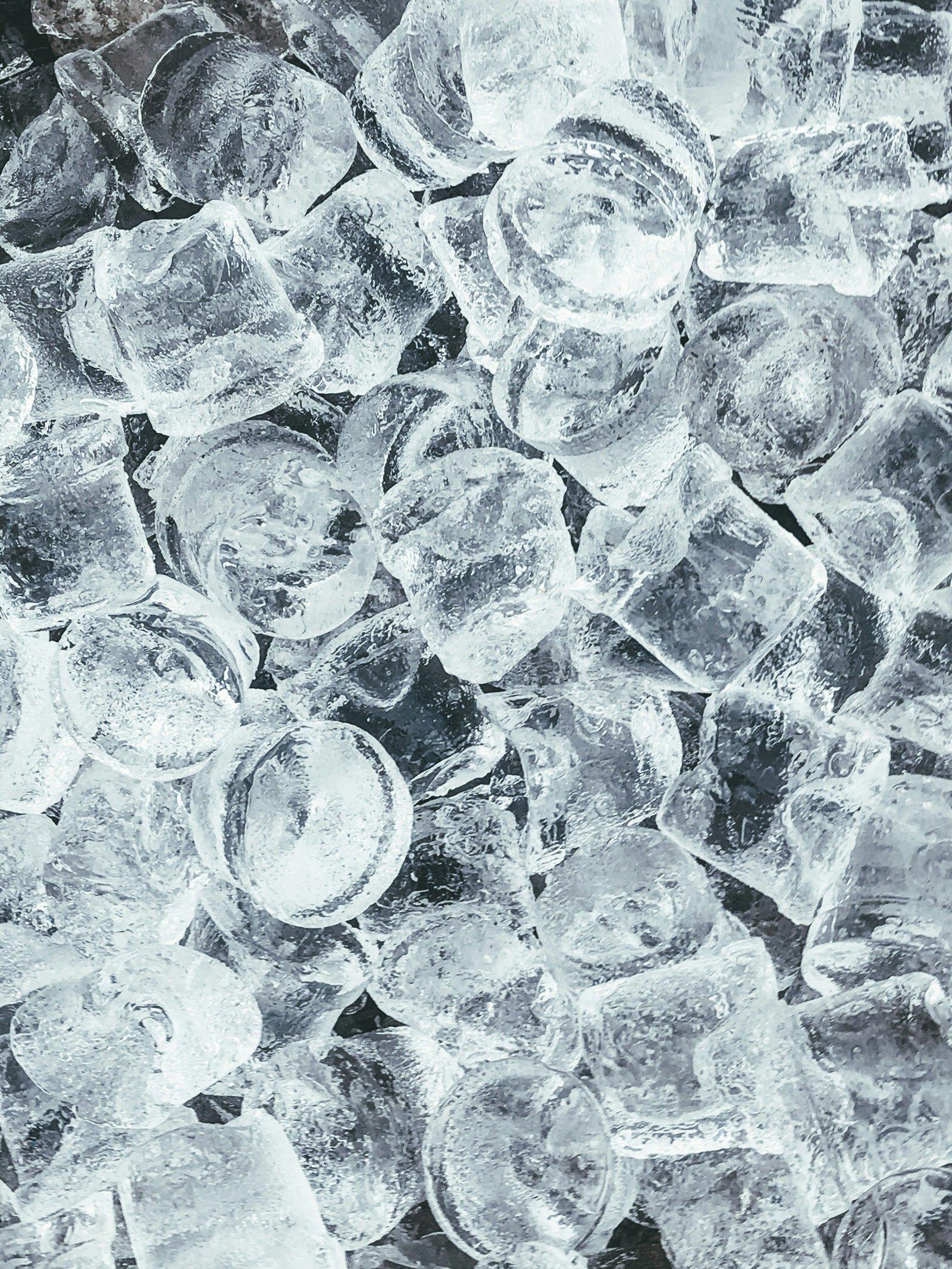
At a Paris-region hospital, emergency medics needed it to plunge patients into cold-water baths to speedily bring down their temperatures so they would not join the growing tally of dead from a record-smashing heat wave. But lacking an ice-making machine, where to get it?
A fast-food restaurant helped out last week, saying the hospital could take its ice. Staff also bought ice from the supermarket. The Paris-Saclay Hospital has now ordered its own ice machine, eagerly awaited in the emergency department for a future attack of sizzling heat.
Whether that hits next week, as France’s weather service says it might, or in the summer months ahead, medics and hospital administrators are acutely aware that the battle they have just endured will, because of climate change, be followed by others. Just as they brace for the annual flu season, they know that fighting heat waves is becoming their new normal.
A Horrible Week
“We thought we were ready. We were not actually,” said Cédric Lussiez, director of the Paris-Saclay Hospital.
“The hospital was working on a 24-hour basis because we had to find new solutions in a very short delay,” he said. “We already learned some lessons.”
Patients suffering from heat exposure started arriving in a surge on June 20, said Dr. Nicolas Gonzales, head of the emergency department. “It was like a big mountain. It was like that for seven days. So it was very intense.”
The first patient he treated was a 50-year-old man in a coma at home with a temperature of about 40 degrees Celsius (104 Fahrenheit). Then came the flood: heart attacks, dehydration, kidney malfunctions, and other heat-related problems, impacting all age groups, from children to older people living alone.
“Heat is a physical assault. It is a physical assault on the body,” Gonzales said. “And when the body can no longer adapt — or, unfortunately, is no longer able to fight off that assault — you don’t feel it coming, and the heart can stop beating.”
Learning from Crisis
Paris-Saclay Hospital is new and has air-conditioning, but three older hospitals that are part of its group are not so well defended against the heat. To prevent medicines from spoiling, they had to be cooled with a temporary solution of electric fans and blocks of ice. Student nurses were recruited to help with the work of keeping patients hydrated. The thermometer hit 33 C (91 F) on the top, most exposed floor of a psychiatric unit.
Lussiez is now urgently equipping that unit with a cool room for patients on each floor and organizing other renovation works and changes, including moving a department for elderly patients to the new hospital.
“We’ll be in a better situation next week than we were last week,” he said.
National Response
Efforts to plug some of the holes exposed by the heat wave are accelerating on a national level, too. When France was baking through its hottest days on record last week, French Prime Minister Sébastien Lecornu announced a 100-million-euro ($114 million) spend on cooling systems for hospitals and other work to keep wards functioning.
The government is also buying 30,000 air-conditioning units for health facilities, with the first deliveries expected immediately. “It’s an absolute priority for us that, if the heat wave returns, the hospital situation be a lot less strained,” Lecornu said.
The World Health Organization described the heat wave as “a dress rehearsal” for summers that “will be harder.”
“Europe is warming at more than twice the global average. Heat waves are no longer one-off freak events,” it said. “Every summer we fail to prepare for them is a summer we pay for in lives.”
The Bottom Line
Hospitals across Europe, particularly in France, are scrambling to prepare for the next heat wave after record temperatures exposed critical gaps in their ability to cope. The Paris-Saclay Hospital ran out of ice for emergency cold-water baths and had to rely on a fast-food restaurant for supplies. The French government has pledged 100 million euros for cooling systems and is buying 30,000 air-conditioning units for health facilities. The World Health Organization warns that heat waves are becoming the new normal as Europe warms at twice the global average.