
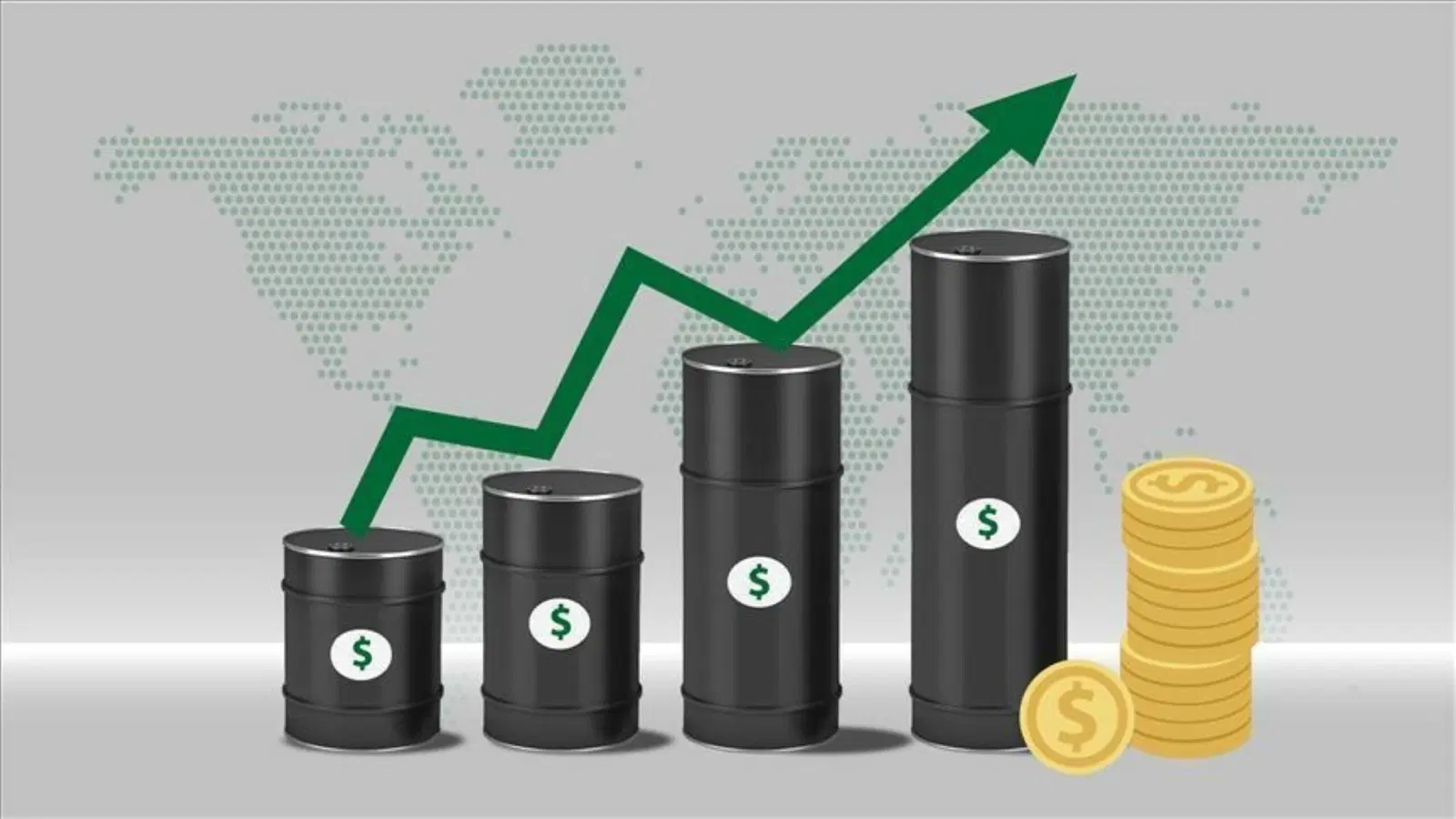

Global energy markets are facing fresh upward pressure as Houthi and Iran strikes lift crude oil prices after weeks of easing following a recent drop of roughly 20 percent amid a U.S.-Iran war. Shipping intelligence firm Kpler reported that weekly vessel transits through the Strait of Hormuz fell from 217 to 147 between November 1 and November 23, 2026, leaving crude and petroleum shipments out of the Persian Gulf at just over half of pre-war levels. At the same time, Iran-backed Houthi forces claimed strikes on Saudi Arabia’s Ras Tanura oil refinery, the Riyadh financial district, and the Red Sea ports of Jeddah and Jazan, while Tehran claimed two tankers caught fire after hitting sea mines in the Strait of Hormuz.
Choked Waterways, Regional Strikes, and Human Costs
Escalating clashes across the Persian Gulf and Red Sea are colliding with diplomatic and economic pressure on multiple fronts. Tanker crossings averaged about 11 per day for the week ending November 21, compared with roughly 50 per day before the war began in February, with many vessels operating with tracking transponders switched off.
Meanwhile, the U.S. military maintains that southern shipping lanes are safe and continues its naval blockade alongside Task Force Iron Gate, while U.S. Treasury Secretary Scott Bessent declared that Iran has not loaded a single oil tanker since Operation Economic Outcast launched in August.
Following Saudi-led coalition strikes on Yemen’s Hodeidah port, Houthi forces launched missiles and drones toward Saudi targets, with Saudi air defenses intercepting missiles near Riyadh and a drone near Jeddah. Separately on Thursday, Italian Foreign Minister Antonio Tajani said two Italian technicians were killed in an Iranian drone attack on a Kuwaiti military facility, where Kuwaiti officials reported four people injured by falling debris, while Jordan confirmed the body of a missing sailor from an earlier Strait of Hormuz attack was found off the UAE coast.
Tensions have also spilled into international disputes, from Israeli Defense Minister Israel Katz warning of potential preemptive action over alleged Iranian chemical weapons work to Iranian officials challenging U.S. remarks and artificial intelligence targeting, even as U.N. relief chief Tom Fletcher warned that half of Yemen’s population needs aid amid renewed displacement.
Energy Markets Watch Every Spark in the Gulf
Even modest gains in crude prices matter to families, businesses, and fuel importers worldwide when supply routes sit on a razor’s edge.
My View
Whenever missiles fly near refineries or mines threaten tankers in narrow shipping lanes, politicians trade tough speeches while everyday families end up paying more at the pump and in the market.
Using critical global trade routes and energy infrastructure as leverage in an endless cycle of strikes and counter-strikes only deepens instability across the Middle East and punishes innocent civilians far from decision-making rooms. From displaced families in Yemen to workers caught in crossfire across the Gulf, the human toll keeps climbing while genuine diplomatic off-ramps stay out of reach.
Global energy security cannot rest on wishful thinking or constant brinkmanship. Real stability requires serious, disciplined diplomacy that protects civilian lives, keeps vital shipping lanes open, and spares ordinary people from bearing the brunt of another prolonged conflict.