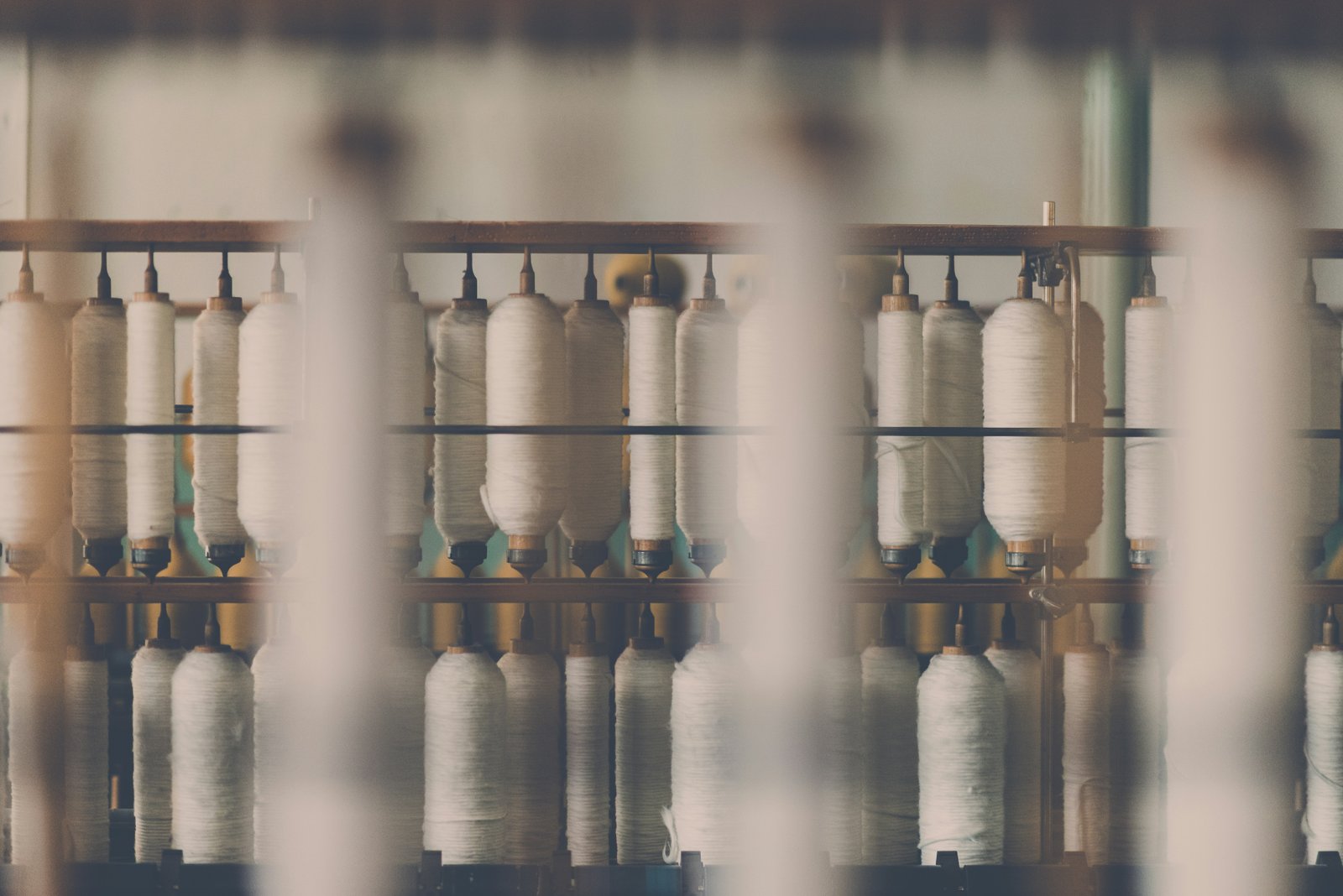

For Fatoumata Dosso, the “Made in Benin” label attached to her fabrics represents more than a fashion statement. It reflects her ambition to ensure that more of the value generated from Benin’s cotton remains within the country.
Dosso, founder of DAF Collection, believes Benin’s abundant cotton production offers an opportunity to strengthen local manufacturing while creating more livelihoods, particularly for women in her community.
“I am more focused on promoting the traditional fabric of northern Benin,” she said at her showroom in Parakou, northern Benin.
“What comes from elsewhere is already everywhere. I wanted to do something special.”
Her business is part of a wider effort encouraged by the Beninese government to reduce the export of raw materials and increase the production and export of finished goods.
The policy covers products ranging from processed pineapple juice to clothing and other manufactured goods that can carry a distinctly Beninese identity even when sold internationally.
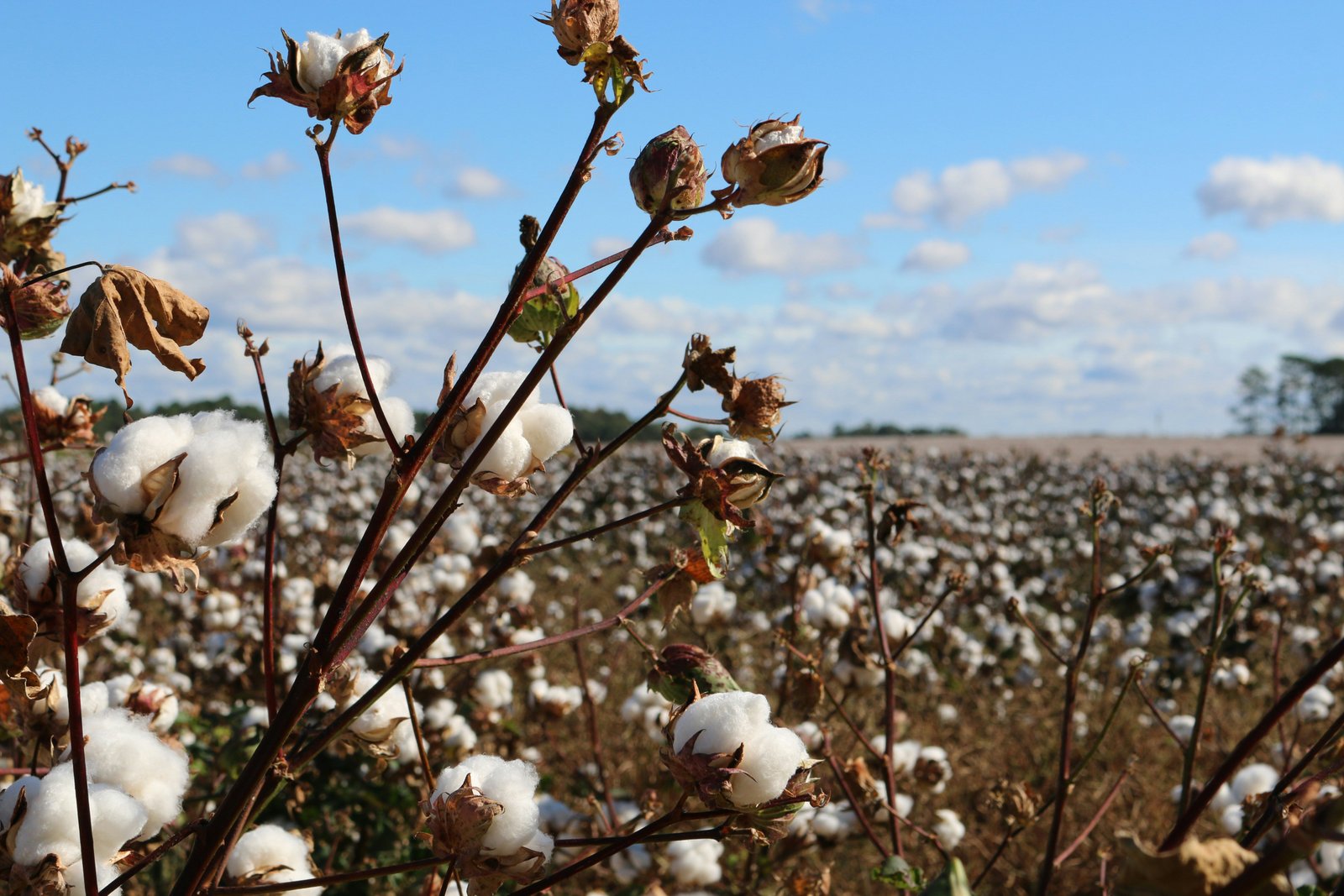
Benin is Africa’s largest cotton producer, according to data from the US Department of Agriculture.
Between 2025 and 2026, the West African country produced about 1.15 million bales of cotton, representing roughly 0.9 per cent of global output.
Although Benin’s contribution to worldwide cotton production remains relatively small compared with major producers, the crop has a much greater significance for its domestic economy.
China, for example, produced about 35.8 million bales during the same period, far exceeding Benin’s output.
Cotton, however, remains Benin’s leading cash crop and one of its most important exports. The government continues to view the sector as a key part of the country’s economic future, despite declining production across parts of eastern and southern Africa.
For entrepreneurs such as Dosso, the challenge is not simply to produce more cotton but to capture more of its economic value by transforming the raw material locally.
Her focus on traditional northern Beninese fabrics reflects that approach, combining the country’s existing agricultural strength with local textile production and fashion.
The “Made in Benin” label therefore serves as both a commercial identity and a symbol of a broader push to move beyond exporting raw commodities and develop more finished products domestically.