
There is a strange phenomenon that happens when celebrity drama goes viral. The same public airing of grievances that causes pain in private can, paradoxically, become a commercial windfall in public. It is a scenario that has played out across industries, continents, and decades; and the Okoye brothers’ ongoing feud is the latest case study. In the middle of one of the most public family breakdowns in Nigerian entertainment history, something unexpected happened. A red cap became a symbol. And then, it started selling like crazy.
The Numbers Don’t Lie
Peter Okoye, better known as Mr P, has been at the centre of a renewed and very public feud with his twin brother Paul (Rudeboy) and their older brother and former manager Jude Okoye. The dispute, involving allegations of financial mismanagement, betrayal, and family division, has played out in an eight-part Instagram series that has gripped the nation.
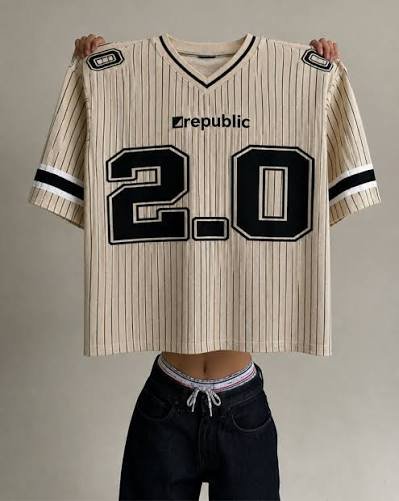
But while the drama has been emotionally taxing, there has been an undeniable upside. Fans, many of whom have rallied behind Peter, have turned their support into something tangible: sales of his fashion brand, Zipp Republic.
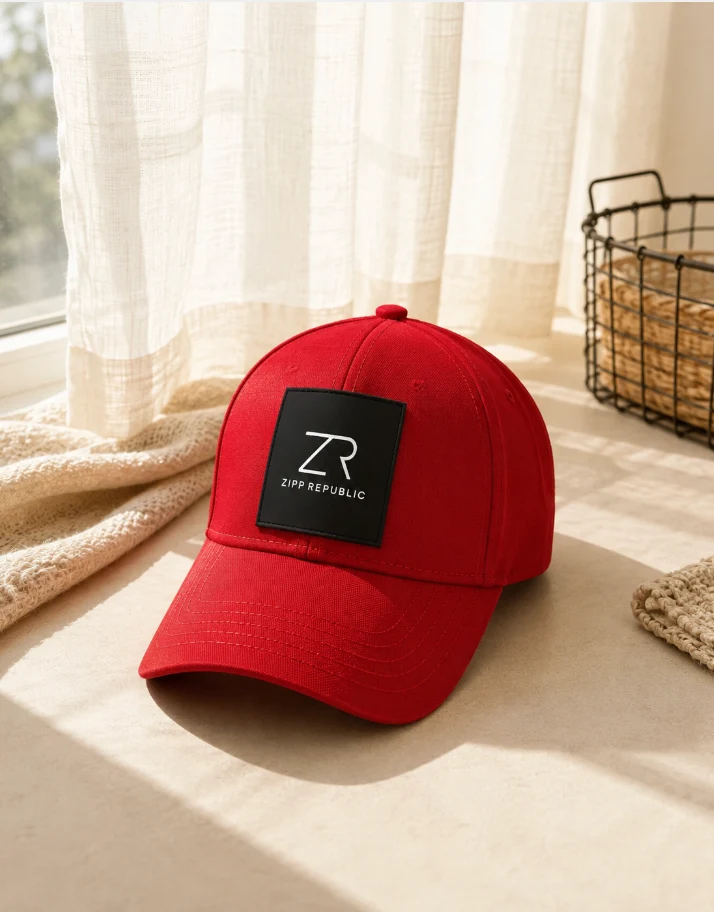
On August 9, 2026, Peter Okoye took to social media to share a staggering sales milestone. Nearly 3,000 units of his signature “Red ZR” cap had been sold in just seven days. The reaction was one of genuine surprise. “Guys, we honestly didn’t see this coming,” he wrote on X, adding that his team was “overwhelmed with orders”.
The figures are impressive by any measure. Priced at ₦20,000 per unit (down from an original price of ₦45,000), this surge translates to approximately ₦60 million in revenue for Zipp Republic within a single week.
The Cap That Became a Statement
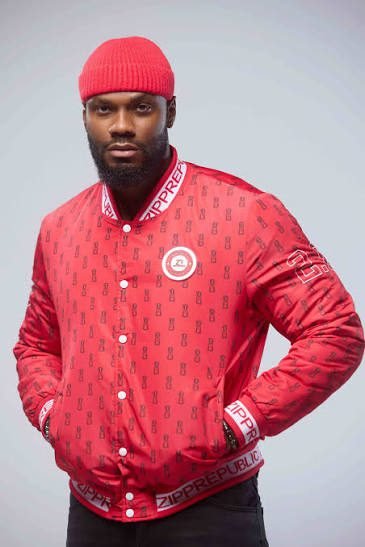
The success isn’t just about good business; it’s about powerful symbolism. The red cap, part of the Zipp Republic brand, was prominently featured in Peter’s tell-all videos where he publicly aired his grievances against Paul and Jude. It became his signature look for the series.
This visibility turned the cap into more than just a piece of merchandise. It became a symbol of fan solidarity with Peter, an unofficial uniform for those who felt he was wronged. As observers noted, the show of love was credited to the emotional reaction generated by his story, with fans feeling the need to lend their support.
This isn’t just about sympathy, though. Some have also praised him for selling “affordable fashion pieces, unlike some celebrities whose products are priced far beyond the reach of the average Nigerian,” which may have also played a role in the brand’s success.
A Broader Renaissance for Peter
The commercial windfall for Zipp Republic is part of a broader surge in Peter’s popularity. Since beginning his tell-all series, his social media following has grown significantly. His YouTube channel has seen hundreds of thousands of new subscriptions, and the P-Square catalogue has re-entered streaming charts.
His solo single, “I Can’t Look Away,” even debuted on the Spotify Nigeria Daily Top Songs chart, marking a significant solo milestone.
Peter himself seems to be looking beyond the current success. He hinted at plans to expand the brand’s catalogue to include gym wear, sportswear, and even children’s clothing, suggesting this is “just the beginning” for Zipp Republic.
Similar Stories of the Celebrity Feud Sales Effect
The Okoye brothers’ situation is far from unique. Across the globe and across industries, public feuds have repeatedly translated into commercial gain.
Kanye West and Yeezy: Kanye West’s notorious feuds with industry players have inadvertently provided free publicity for his Yeezy brand. Controversy surrounding his statements uplifts media mentions. Yeezy sales frequently spike after high-profile disputes as curious consumers seek to own a piece of the unfolding story.
Beyoncé and Taylor Swift: One of the earliest instances where a celeb quarrel coincided with a rise in fashion sales was the alleged rivalry between Beyoncé and Taylor Swift. Each camp’s fans emulated their icons, boosting sales of products like embellished jackets and statement accessories. Brands aligned with either artist strategically launched collections timed with media coverage, turning gossip into direct revenue streams.
Caitlin Clark and Angel Reese: In sports, the rivalry between WNBA rookies Caitlin Clark and Angel Reese has driven a 500% increase in overall business and a 1,000% increase in player merchandise sales. The two rookies lead the league in merchandise sales at one and two, respectively.
Topher’s Reality TV Boost: Even closer to home, Big Brother Naija star Topher launched a jersey collection in October 2024 that sold over 200 jerseys within four hours of its release, showing how celebrity visibility—even without a feud—can drive fashion sales.
The K-Pop Light Stick Wars
The K-pop industry offers perhaps the most structured parallel. In K-pop, light sticks are more than just glowing accessories—they are symbols of fan identity. A fight over two nearly identical megaphone-shaped designs between boy group The Boyz and rookie girl band QWER sparked one of the fiercest fan wars of the year.
The dispute escalated online with fans of The Boyz reporting being targeted with misogynistic slurs and even threats of violence. QWER’s agency rejected the allegations of copying, arguing that the megaphone is a universal image that cannot be claimed by a single act.
While the outcome was different (legal threats, not sales), the dynamic was similar: fan loyalty intensifies around symbols of identity during conflict.
Why This Works
The psychological mechanism behind these phenomena is consistent. Humans are innately drawn to stories, especially those involving conflict. Celebrity feuds add a never-ending soap opera element to social media feeds, engaging millions instantly. When celebrities sport distinctive apparel or accessories during these disputes, those items become micro-trends.
For brands and celebrities, the lesson is clear: there is money in the drama. But the playbook works best when the product is authentic, accessible, and genuinely tied to the narrative. Peter Okoye’s red cap succeeded not because it was marketed well, but because it was part of the story. Fans weren’t just buying a cap; they were also buying a symbol of solidarity.
Takeaway
Peter Okoye’s Zipp Republic success is part of a long and global tradition of celebrity feuds driving fashion sales. From Kanye West’s Yeezy spikes to Caitlin Clark and Angel Reese’s merchandise dominance, the pattern is consistent: when fans feel emotionally invested in a narrative, they express that investment through purchases.
The red ZR cap has become more than a fashion item. It is a symbol of loyalty, a statement of support, and a piece of the story. And as long as the drama continues, it is likely that the sales will keep coming.