Federal immigration officials quietly received permission from a judge to force-feed a detained Cuban hunger striker inside a Texas detention center, including with the use of a rare, nonconsensual surgical procedure, court records reveal.
The man is likely the 19th hunger striker in ICE detention where the agency has had an application approved to conduct “involuntary medical procedures” since January 2025. The rising number of cases under the second Trump administration has alarmed advocates amid wide-ranging accusations of mistreatment inside facilities nationwide.
Court orders from the southern district of Texas federal court suggest ICE followed through with force-feeding via a nasal tube on the Cuban man in August. This week, agency officials successfully requested that the court order be extended. He is currently detained at the Montgomery ICE processing center, a privately run detention facility near Houston.
The Procedure
The new order gave ICE permission to operate on him to fit a surgical feeding tube without his consent. This is a “percutaneous endoscopic gastrostomy” tube insertion – a surgery in which medical staff makes an incision in a person’s abdomen, inserts a tube that remains in place indefinitely, and pumps liquid directly into the stomach.
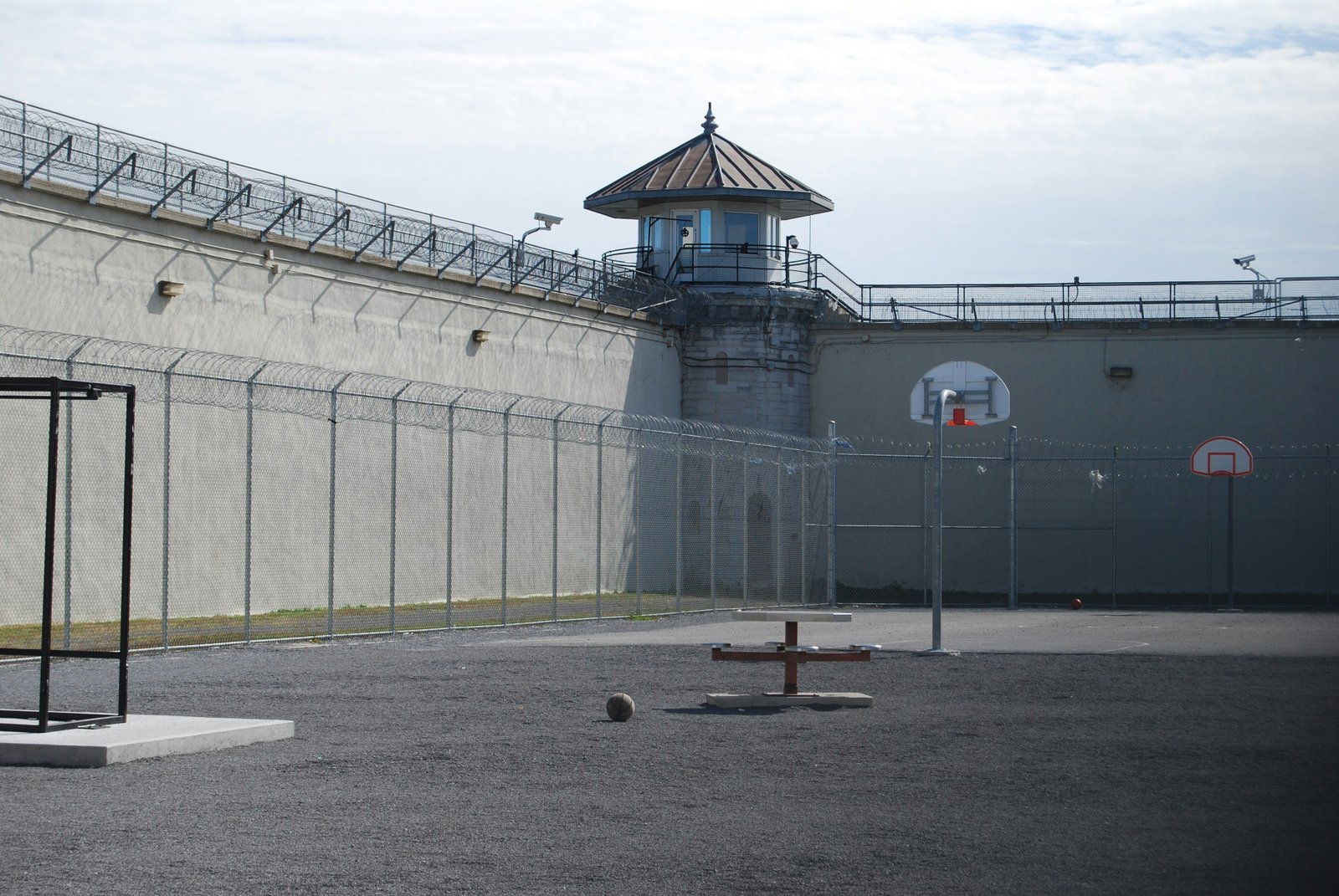
This procedure has not been previously identified in other force-feeding cases reviewed by the Guardian. The Department of Homeland Security, ICE’s parent agency, said on Thursday evening the man had “resumed eating and drinking again” and was not being force-fed.
Human Rights Concerns
The secretive practice of force-feeding inside detention centers has been widely condemned by human rights organizations as torture. Involuntary medical procedures in response to hunger strikes in detention are often painful and traumatizing.
During a prolonged hunger strike, ICE will request permission from a federal judge to conduct force-feeding, forced hydration, and other measures. Typically, after a judge approves the request, detention center guards hold down a hunger striker while medical staff forcibly insert a tube through the person’s nose and down their throat.
“The cruelty of the extreme tactics at ICE’s disposal to end lawful protest, including forcibly cutting into a protester’s body to insert a tube in their stomach, underscores the horrors happening outside our view in ICE detention centers,” said Savannah Kumar, a staff attorney at the ACLU of Texas.
A Pattern of Force-Feeding
The Guardian has published a series of stories about the extent of ICE’s force-feeding practices under the second Trump administration. The agency has gotten the green light to perform involuntary medical procedures in 19 hunger strike cases since January 2025.
“The high number of verified court orders since January 2025 raises serious concern,” said Eunice Cho, an immigrant and civil rights attorney.
Cho added that the high number suggests “several possibilities, none of which are positive,” including that conditions are so bad that more people are hunger striking in protest, and that officials “are more frequently failing to attempt to resolve the issue in a less confrontational and dangerous manner.”
The Detainee’s Situation
The Cuban man was arrested by ICE on 22 July and was declared a hunger striker three days later. The Montgomery facility holding him is run by the private prison company GEO Group.
Like in many cases reviewed by the Guardian, the Cuban hunger striker does not have any current legal representation. “The fact that this person lacks legal representation in a process where the government seeks to subject him to an invasive, involuntary medical procedure performed without consent is a tragedy,” Cho said.
According to a DHS spokesperson, the Cuban hunger striker entered the US unlawfully in 1980 and was ordered deported in 2004. The DHS claims he was previously convicted of multiple offenses. The spokesperson added that he “will remain in ICE custody until removed from the United States.”
The Bottom Line
ICE received court approval to force-feed a Cuban hunger striker in a Texas detention center, including through a surgical feeding tube. The case is the 19th such instance since January 2025 under the Trump administration. Human rights advocates have condemned the practice as torture and raised concerns about the rising number of hunger strikes and the lack of legal representation for detainees. The DHS says the man has resumed eating and is not being force-fed, but the court order remains in place.