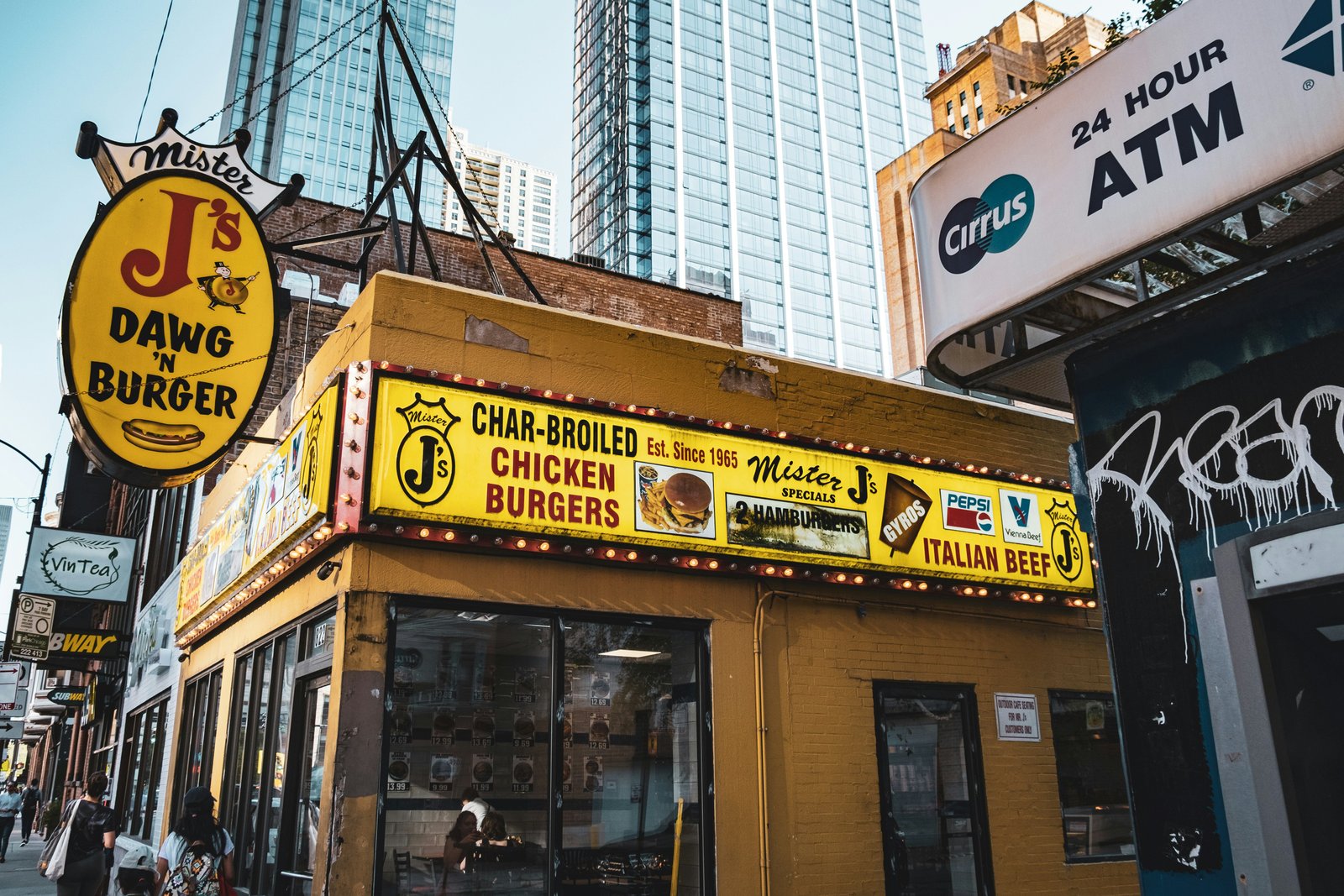

A new study shows that the widespread fear and isolation caused by immigration crackdowns in 2025 had a significant economic toll on Chicago commerce, draining over $1.26 billion from local businesses.
The report, published by the University of Illinois Chicago, used anonymous cellphone GPS data to track movement between immigrant and non-immigrant neighborhoods throughout Chicago’s Cook County. Researchers found that the routine back-and-forth between these areas collapsed almost immediately after President Donald Trump took office amid rampant rumors of ICE raids.
Professor Matt Wilson, a co-author of the study, noted how strongly the economic ripples were felt outside of immigrant communities. The report estimates that decreased consumer mobility cost retail shops and restaurants in non-immigrant neighborhoods roughly $1.26 billion, while costing the state of Illinois an estimated $107 million in lost tax revenue.
The Panic and the Data
The intense fear that triggered these behavior shifts was palpable in the days surrounding the 2025 inauguration. “People are more than afraid, they’re panicking,” a Chicago waitress named Caridad told NPR at the time.
“We see a 9% drop in retail and a 10% drop in restaurant visits, and it persisted for about a year,” Wilson told NPR. “And it’s not that it recovered after a year. People’s behavior systematically changed after January 20, 2025.” He says the city has yet to recover.
For small businesses, a sustained 10% drop in foot traffic over the course of a year can be a serious financial hit. The new study challenges assumptions about immigrant community isolation.
“I think a lot of people treat Latino and some immigrant communities as if they’re insular and isolated,” Wilson said. “But it’s really that these communities are much more integrated into the broader economy, and they are making trips to faraway places in the county, routinely”.
The National Picture
The Chicago study is part of a growing body of research confirming that large-scale immigration enforcement operations send severe economic shockwaves through broader local economies. A Brookings Institution report estimates roughly a 1.7 percentage point decline in aggregate consumer spending in high-enforcement states.
In Minneapolis, the city estimates total economic damage from ICE enforcement sweeps at nearly $700 million, with small businesses losing more than $81 million in revenue in January alone.
Industry Disruption
ICE raids have targeted industries that depend heavily on immigrant labor, including construction and agriculture. In South Texas, raids on construction sites caused work to stall on housing projects, causing ripple effects throughout the real estate industry.
Paul Rodriguez, president of Valley Land Title Co in McAllen, noticed a 30 to 40 percent drop in real estate transactions in the third quarter of last year. “When you’re building a house, you’ve got a plan, you’ve got deadlines to meet, and if all of a sudden several of your employees are taken away, you’re high and dry,” he said.
The skilled labor trades—tile setting, concrete pouring, and roofing—are filled by immigrant labor, builders say. Agriculture, too, would face a “very dire outlook” without non-American workers, says David Ortega, a professor of food economics and policy at Michigan State University.
Data from the US Department of Labor shows that in 2021-22, about 42 percent of hired crop farmworkers lacked legal authorization to work.
The White House Response
The White House defended the aggressive enforcement strategy. In a statement to NPR, White House spokesperson Lauren Bis said, “Removing these criminals from the streets makes communities safer for business owners and customers. Nearly 70% of ICE arrests are of illegal aliens charged or convicted of a crime in the U.S.”
However, ICE’s own agency statistics show that roughly 70% of those currently detained have no criminal convictions.
The Bottom Line
A new study shows that ICE raids in Chicago cost the local economy over $1.26 billion in lost retail and restaurant revenue and $107 million in tax revenue. The research, which tracked cellphone GPS data, found that fear of enforcement triggered a 10% drop in foot traffic that has persisted for over a year. Nationwide, similar economic shockwaves have been felt in Minneapolis, Texas, and other states. Industry leaders warn that construction, agriculture, and hospitality—sectors reliant on immigrant labor—face severe disruption. The White House says enforcement makes communities safer, but researchers say the economic toll is significant and long-lasting.