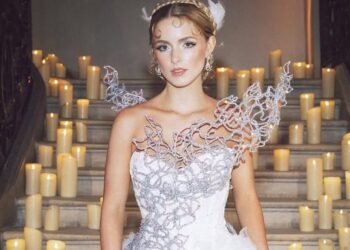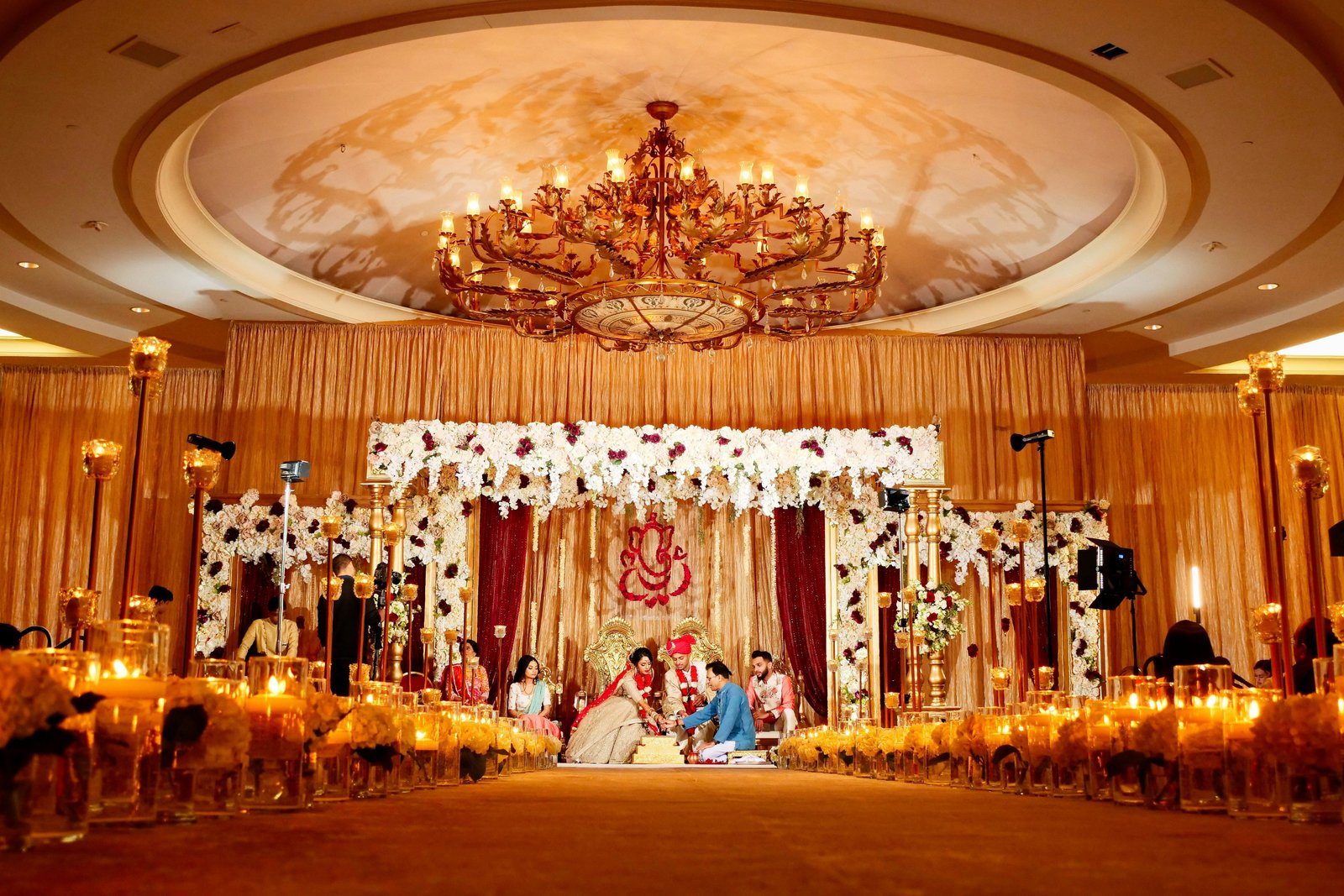

The money that pays for a bride’s lehenga in Delhi is now funding a runway show in Paris. Indian designers are taking over global fashion—and the $130 billion wedding industry is paying for it.
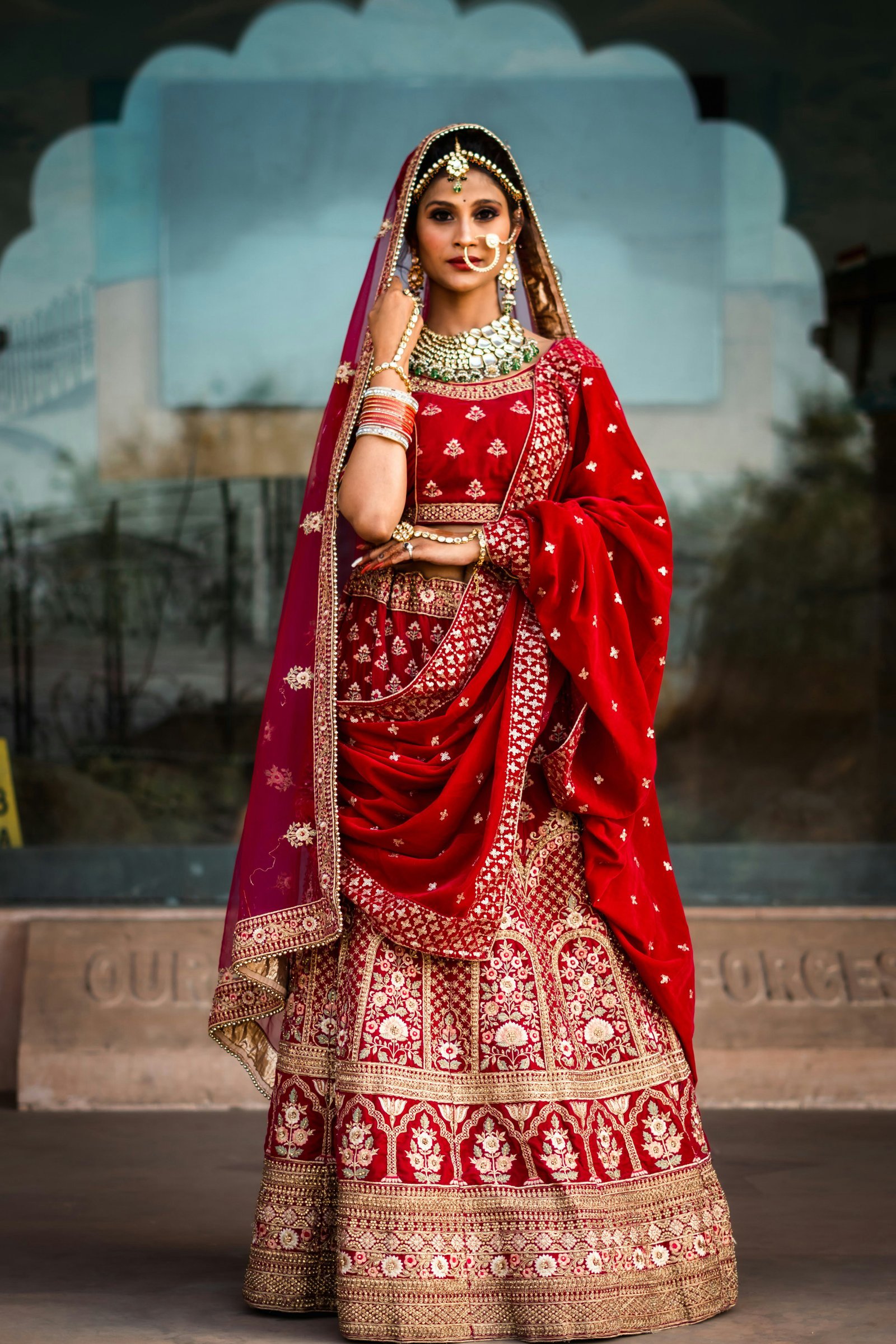
At the Taj Falaknuma Palace in Hyderabad, models walked past chandeliers that have hung for over a century. The bridal lehengas they wore were designed by Anamika Khanna, who had spent months working with female artisans in Barmer, Rajasthan, and Kalighat, West Bengal. These garments, made to be worn once and archived forever, are the financial engine of India’s fashion revolution.
Indian designers like Rahul Mishra, Manish Malhotra, and Gaurav Gupta are now regulars at Paris Haute Couture Week, the Met Gala, and Cannes. Sabyasachi will show at New York Fashion Week in September. But the financial backbone of this global ambition? Bridal couture.
“Consumers today follow designers, collections, and cultural moments from around the world,” said Manish Malhotra, who has dressed both Bollywood superstars and Hollywood A-listers like Kim Kardashian and Jennifer Lopez. “When they see Indian craftsmanship celebrated in Paris or on the Met Gala carpet, it creates a sense of pride.”
The $130 Billion Engine
India’s mammoth wedding industry, valued at $130 billion by US investment firm Jefferies in 2024, is the playing field. Jewelry and clothing claim a significant portion of spending, with the average Indian allocating a massive chunk of their life savings for this one event.
“Indians have made a lot of money in the last 20 to 30 years,” said Tarun Tahiliani, who has been in the business for over three decades. “The wedding has now blown up to some LSD version of what it was 20 years ago.”
Guest lists of hundreds and celebrations lasting up to four days are common. For the wealthy, pre-wedding getaways and galas with dedicated themes and dress codes have made wedding-adjacent festivities a year-round proposition.
International brands have taken note. Jimmy Choo, Gucci, and Bvlgari now release limited-edition collections during India’s peak festive season. Consulting firm Bain & Company projects India’s luxury spending will more than triple to €25-30 billion ($27-32 billion) by 2030.
But for Indian designers, the domestic market remains foundational. “Paris gave us the opportunity to explore a different expression of couture,” said Malhotra. “But bridal has been our foundation, and has inspired everything that came after that.”
Who Showed, Who Debuted, and Who Stole the Show
This year’s India Couture Week took place against a tense political backdrop, with youth-led protests gripping the country. Bollywood stars largely skipped the shows, but the event continued.
Anamika Khanna opened the week at the Taj Falaknuma Palace. Masaba Gupta made her much-anticipated debut on Saturday. Supermodel Carol Gracias walked out in a sherwani jacket over an anarkali dress, carrying a briefcase embroidered with the map of India. Madhu Sapre closed the show in Gupta’s vision of a quintessential Indian bride in red.
“The money made from bridalwear fuels the rest of the business,” Gupta told CNN. “Occasion wear has contributed to 80 percent of my business since 2018. If you want to create longevity and a legacy brand, you have to play where the consumer is.”
The Bride Has Changed (So Has Her Clothes)
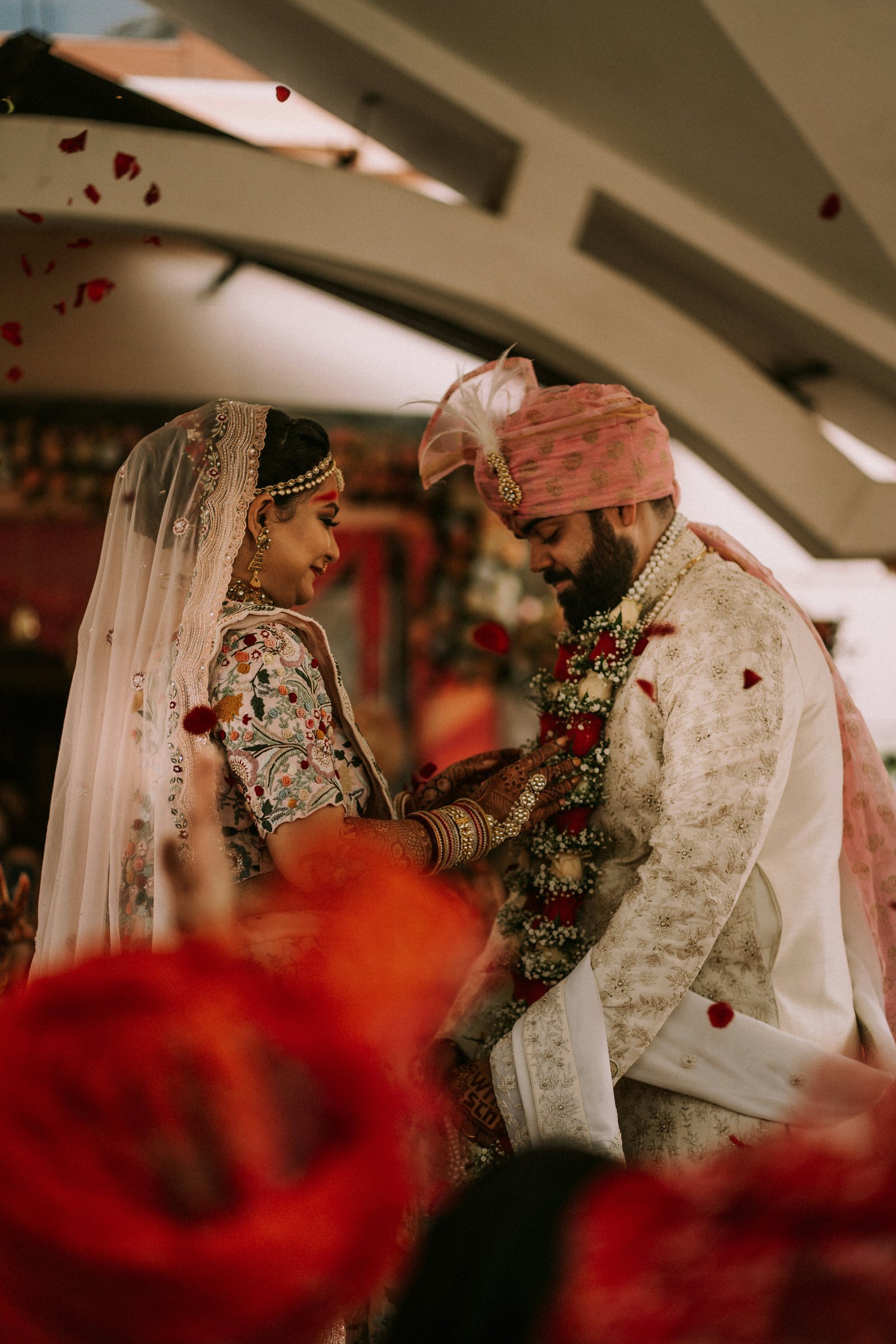
While traditional wedding wear remains a constant, designers are showing newer, contemporary takes for the younger generation.
“Women today want to be comfortable, have fun, and dance. They don’t want to manage a 45-inch dupatta,” said Tahiliani.
Plunging necklines, backless gowns, lehengas with high slits, and pieces that can be re-styled in different ways are now standard. Designers have also upped their menswear, with options extending beyond black bandhgalas to pastels, cropped jackets, and tonal French knot detailing.
The brides of tomorrow want clothes that move with them, not clothes that restrict them. And the designers who understand that shift are the ones who will shape the next decade of Indian fashion.