
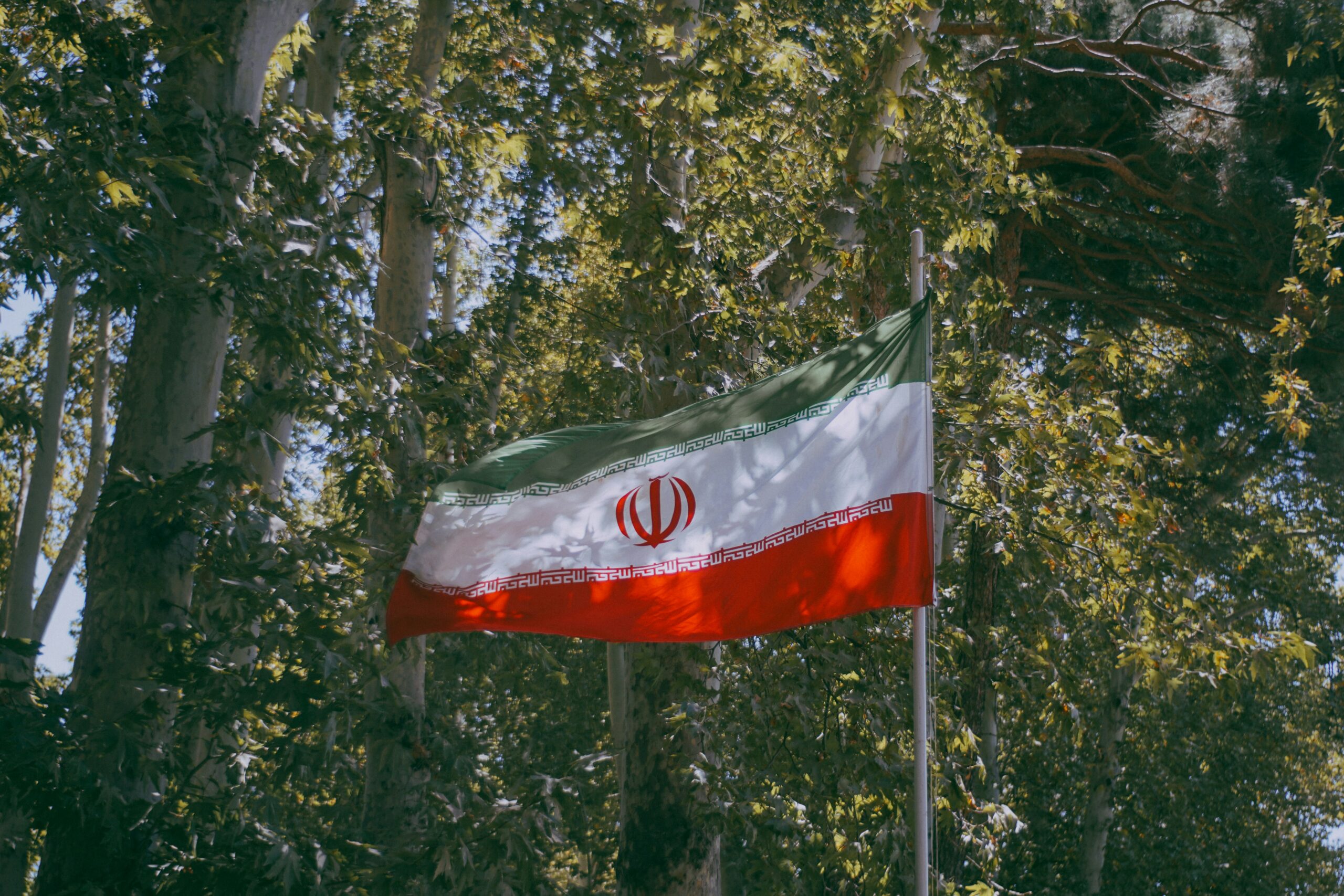
Iran’s security forces say they have arrested a foreigner accused of spying for Israel, a claim that comes as the country faces nationwide protests. The announcement by the intelligence wing of the Revolutionary Guards adds a new layer to a crisis already fueled by economic hardship and political unrest.
Authorities have blamed foreign powers, including Israel and the United States, for stirring the protests that began on December 28. But analysts say the timing of the arrest raises questions about whether the government is using external threats to shift attention from domestic failures.
Protests Across the Country
Protests have swept through Iran since the end of last year, starting as demonstrations against rising prices and inflation. Many quickly turned political, with participants demanding an end to the clerical government.
Cities from Tehran to smaller towns have seen people taking to the streets despite heavy security measures. Tear gas, arrests, and internet restrictions have not stopped the protests, which reflect deep frustration among ordinary Iranians struggling to survive in an economy weighed down by sanctions and mismanagement.
Alleged Spy Arrest
The Revolutionary Guards reported the arrest of a foreign national suspected of working for Israel. The semi-official Tasnim news agency said the individual was caught gathering intelligence that could threaten national security. Details about the suspect’s identity, how the arrest took place, or what information was allegedly collected remain scarce.
While the government insists the arrest is genuine, critics argue it could be a political move. Highlighting foreign interference can rally nationalist sentiment and redirect public anger from domestic issues to external enemies. It also gives authorities a justification for cracking down on protests and dissent.
Using Foreign Threats to Distract
Many observers see this arrest as part of a familiar pattern. Governments under pressure often point to outside enemies to justify repression. In Iran’s case, accusing Israel and the U.S. of meddling allows officials to frame the unrest as not just economic frustration but a national security crisis.
Some people warn that this tactic can be effective in the short term, but it does not address the real grievances of ordinary citizens. Inflation, unemployment, and political restrictions remain pressing problems. Shifting the narrative to spies and foreign plots may temporarily deflect criticism, but it does not solve the underlying issues.
The Bigger Picture
The arrest comes amid heightened tensions in the Middle East, where Iran and Israel have long been adversaries. Israeli intelligence operations in the region are well-known, but the public announcement of a spy arrest at this moment sends an open message: the government wants to show it is in control.
Yet, while the authorities focus on alleged foreign threats, the protests continue. That gap between official narratives and public sentiment highlights a growing disconnect. People on the streets are not primarily concerned about espionage; they want better living conditions, transparency, and political reform.
The claim of an Israeli spy being caught may strengthen the government’s position in official media and among loyalists. But it also risks inflaming tensions further. Many Iranians are skeptical of such claims and may see the arrest as another attempt to manipulate public perception.