
Iran, blaming the United States for deadly explosions in Venezuela, has added fresh heat to an already tense global situation. What happened in Caracas is still unclear, but the reactions coming from Tehran, Washington, and Venezuela show how quickly local violence can turn into a global argument.
What we know so far
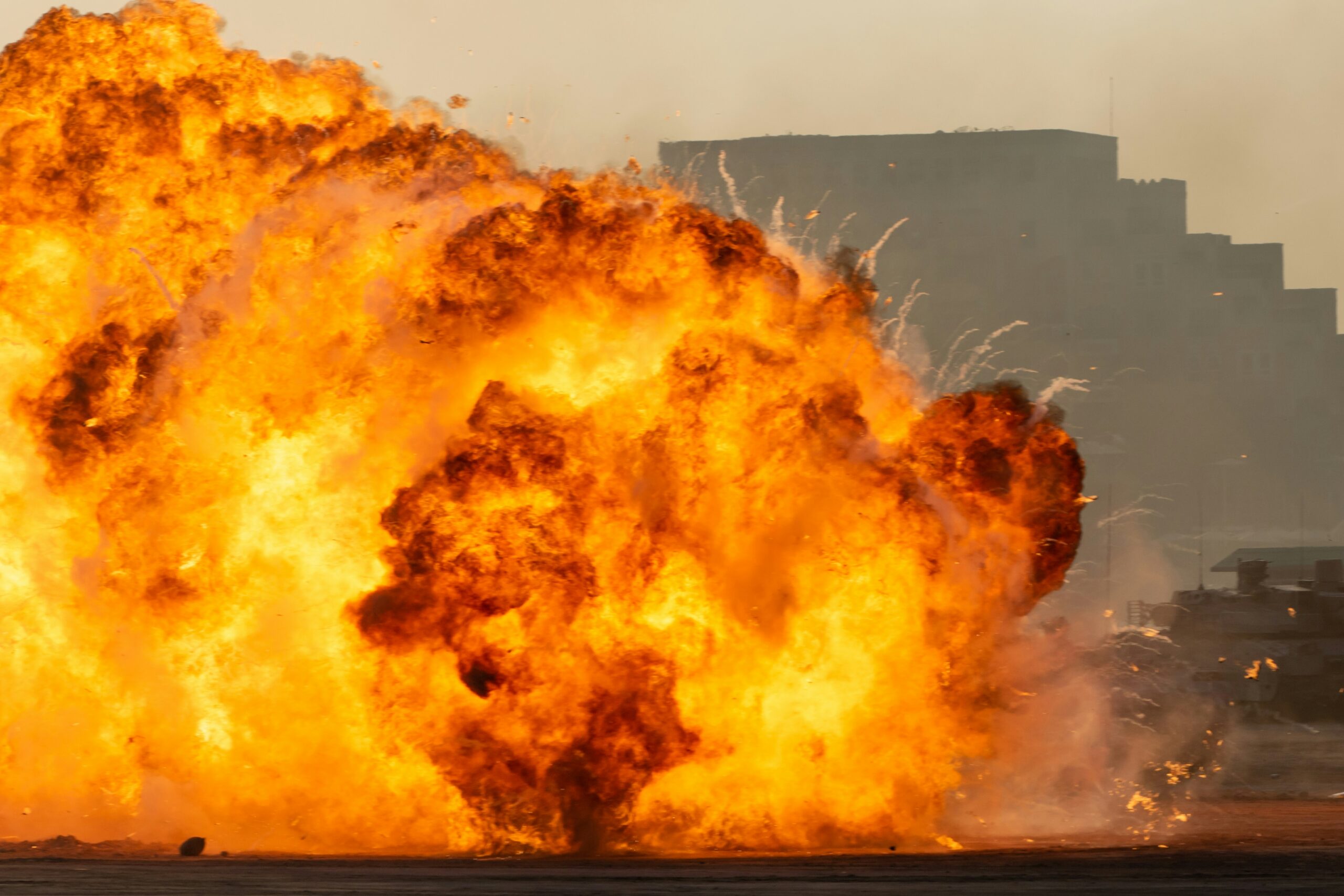
Explosions hit Venezuela’s capital, Caracas, shaking residential areas and causing panic. Venezuelan authorities were quick to point fingers, saying the United States was behind the blasts. Soon after, Iran stepped in with strong words, calling it a clear military attack and a violation of Venezuela’s sovereignty.
Iran’s foreign ministry did not speak with caution. It openly accused America of crossing a red line and acting like it owns the world.
The United States, at least officially, has said nothing yet about the explosions themselves. That silence is loud. In global politics, silence is often a choice, not an accident.
Why Iran is speaking so loudly
Iran and the United States have been enemies for decades. Any chance to push back at Washington is one Tehran rarely ignores. Venezuela is also a long-time ally of Iran, bonded by shared hostility toward American influence.
So when Caracas cried foul, Iran did not hesitate. Defending Venezuela is not just about friendship. It is about sending a message to the US: we are watching, and we will not stay quiet.
Iran also wants to show strength to its own people and to other countries that feel bullied by Western power. Speaking up costs nothing compared to staying silent.
Trump’s claim changes the tone
Things took a strange turn when former US President Donald Trump claimed that American forces had carried out a large-scale strike and captured Venezuelan President Nicolas Maduro. According to him, Maduro and his wife were arrested and flown out of the country.
If this claim is true, it would be one of the most dramatic actions the US has taken in Latin America in decades. If it is not true, then it raises serious questions about misinformation, political messaging, and the use of shock statements to control the news cycle.
Either way, the claim poured petrol on the fire. It made Iran’s anger look more justified in the eyes of its supporters and made the situation even more confusing for the rest of the world.
Too many versions, no clear truth
Right now, there are too many stories and not enough confirmed facts. Venezuela says the US bombed residential areas. Iran agrees and calls it an attack. Trump says Maduro has been captured. Washington gives no official response.
This is how modern conflicts often look. Truth becomes messy. Every side pushes its own version. Ordinary people are left trying to guess what is real.
What is clear is that explosions did happen, people were scared, and a country already struggling is now under more pressure.
Why this matters beyond Venezuela
If the US did act, it would send a signal that force is still on the table. If it did not, and others say it did, then trust between nations drops even further. Either way, global tension rises. A blast in Caracas can trigger statements in Tehran and arguments in Washington within hours.