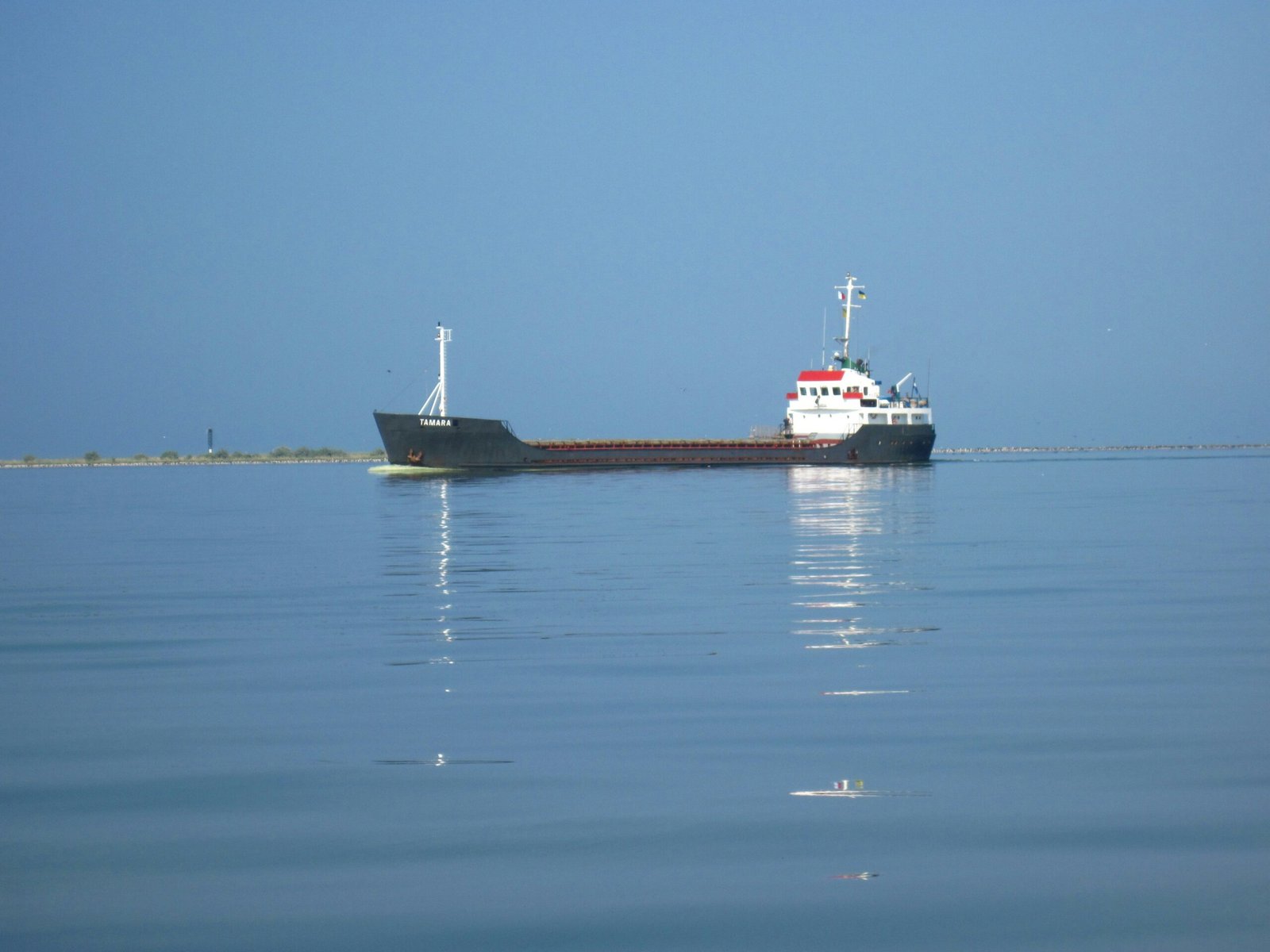
Iran’s military announced Saturday that it is closing the Strait of Hormuz, accusing the United States and Israel of violating the ceasefire deal by continuing strikes in Lebanon.
The Islamic Revolutionary Guard Corps Navy issued a strict warning to all vessels: “Do not approach the Strait of Hormuz; otherwise, your security will be jeopardized.”
The move comes less than a week after the US and Iran signed a 14-point memorandum of understanding that was supposed to reopen the critical waterway, through which 20% of the world’s oil passes. The deal was meant to end the war and restore freedom of navigation.
The Breaking Point
Iran cited “relentless and continuous” breaches of the ceasefire in Lebanon by Israel, which continues to occupy a large chunk of the country’s south. At least 20 people have been killed by Israeli strikes in southern Lebanon — less than 24 hours after a new ceasefire between Israel and Hezbollah was announced.
A Hezbollah official told the BBC that the group does not recognize the ceasefire announced by US officials and rejects the Israeli objective to operate freely inside Lebanon. The Israel Defense Forces and Hezbollah have both accused each other of repeated ceasefire violations.
The failure of the Lebanon ceasefire now looks like it could endanger the entire US-Iran deal, BBC world news correspondent Joe Inwood reported. “Iran has always insisted that the fighting between Hezbollah, its ally and proxy, and Israel must also cease if progress was to be made elsewhere,” he wrote.
The Contradiction
The US military offered a starkly different picture. US Central Command said commercial ship traffic in the Strait of Hormuz increased Saturday and that 55 merchant ships transited, moving “more than 17 million barrels of oil to global markets.”
“Safe passage through the international waterway remained intact today,” Centcom said in a statement on X.
US Vice-President JD Vance also disputed Iran’s claim, telling Fox News: “We’re not seeing any evidence that the Iranians are still closing down the Strait of Hormuz.” He noted that 16 million barrels of oil moved through the strait the previous day.
Talks Still On
Despite the escalation, Pakistan’s foreign ministry said talks will be held in Switzerland on Sunday, attended by US and Iranian representatives. Mediators from Pakistan and Qatar will also attend.
The aim of the talks is “advancing the understandings reached” in the 14-point memorandum. Iran’s foreign ministry said it will attend to “demand that the other side fulfil its commitments,” specifically referencing provisions on ending military operations and lifting sanctions.
The Fragile Deal
The 14-point US-Iran agreement, signed by both parties on Wednesday, included provisions for the “immediate and permanent termination of military operations on all fronts, including in Lebanon.” It also committed the US to ending its naval blockade and Iran to ensuring safe passage through the strait.
But the deal always looked fragile. BBC Jerusalem correspondent Jon Donnison wrote:
“Already there are signs it is unravelling. All eyes will now be on President Trump to see what pressure can be applied to its ally, Israel, to force it to rein in its military operation in Lebanon.”
The Bottom Line
Iran’s military announced it is closing the Strait of Hormuz, accusing the US and Israel of violating the ceasefire deal by continuing strikes in Lebanon. At least 20 people have been killed in southern Lebanon since a new ceasefire was announced. The US military and Vice-President JD Vance disputed Iran’s claim, saying safe passage remained intact and ships were moving. Despite the escalation, US and Iranian representatives are set to hold talks in Switzerland on Sunday.