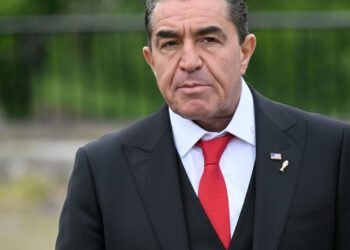
Iran has rejected a US ceasefire proposal delivered by Iraqi Prime Minister Ali al-Zaidi, insisting it will not accept a temporary truce that leaves the status of the strategic Strait of Hormuz unresolved, according to a report by The New York Times, citing Iranian and Iraqi officials.
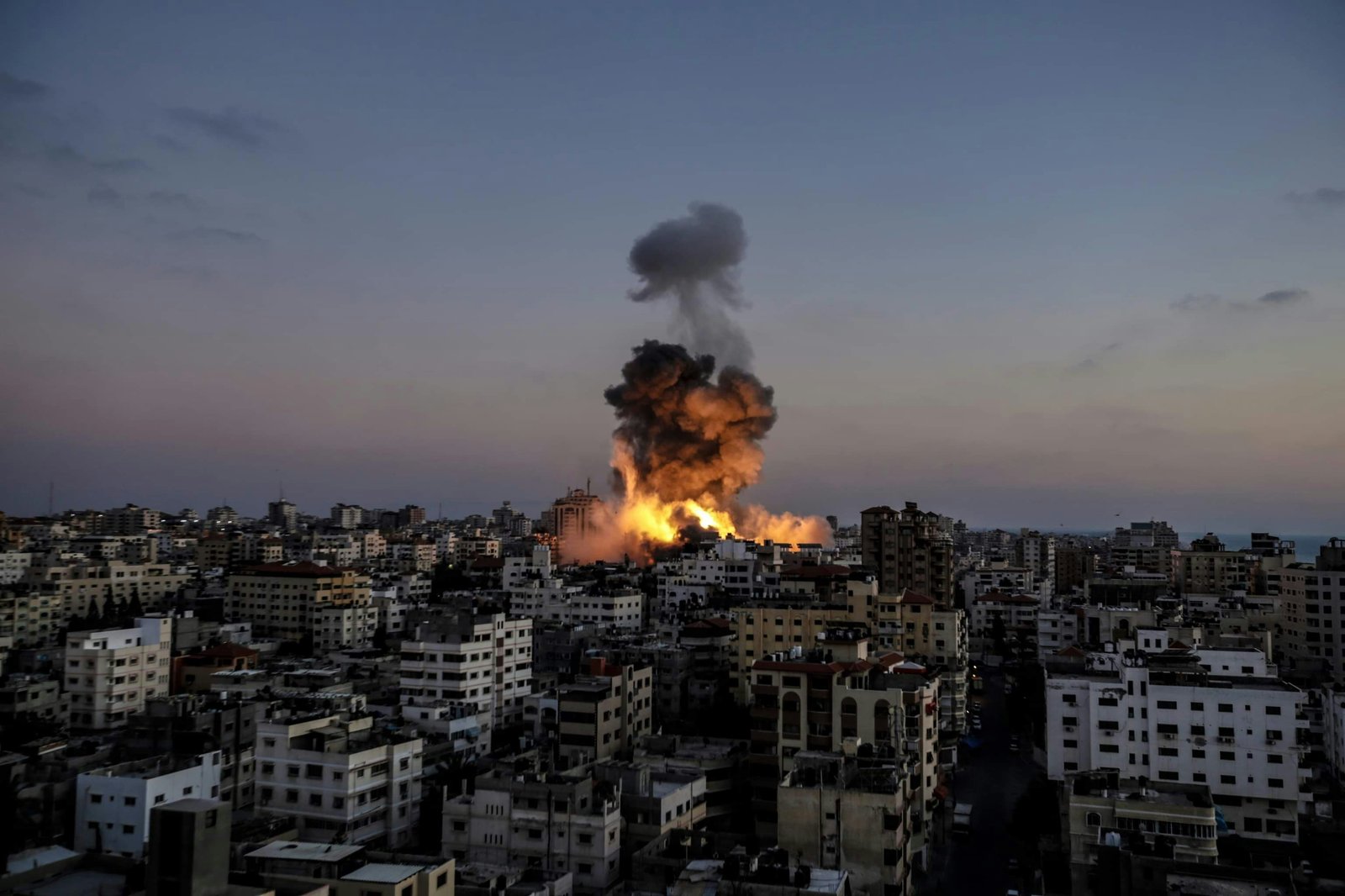
The reported rejection comes after nearly two weeks of escalating hostilities between the United States and Iran. Both sides have exchanged military strikes while diplomatic efforts to halt the conflict have faltered.
The ceasefire proposal was presented to Tehran during Iraqi Prime Minister Ali al-Zaidi’s visit on Thursday. While the full details of the proposal have not been disclosed, Iranian officials said Tehran was unwilling to accept any temporary arrangement that failed to address control of the Strait of Hormuz, a critical global energy shipping route.
The Mediation Effort
Al-Zaidi traveled to Tehran after meeting US President Donald Trump at the White House earlier this month, raising speculation that Baghdad was attempting to mediate between the two adversaries.
During his visit, al-Zaidi met Iranian President Masoud Pezeshkian; Iran’s top negotiator, Brig. Gen. Mohammad Bagher Ghalibaf; and Foreign Minister Abbas Araghchi.
Araghchi acknowledged that al-Zaidi could carry messages from Washington but stressed that Tehran was not seeking further mediation with the United States. “The problem is not passing messages,” Araghchi said. “The problem is America’s outlook, which is illogical, greedy and controlling”.
The Strait of Hormuz Sticking Point
Iranian officials described the US proposal as the only offer currently on the table. But Tehran has made clear it is not interested in a temporary deal that leaves the question of control over the Strait of Hormuz unresolved.
The strait, through which about one-fifth of the world’s oil passes, has been a central point of conflict. Iran has repeatedly asserted operational control over the waterway throughout the war, using its status as leverage while warning it would remain effectively closed as long as US strikes continue.
Tensions Escalate
The reported rejection came as Trump was threatening to escalate the war and target Iran’s critical infrastructure. On Wednesday, Trump warned that the US would bomb Iranian civilian infrastructure if Tehran continued attacking ships in the Strait of Hormuz.
He said the US would target “one bridge or power plant” every time Iran fired missiles, rockets, or drones at ships in the strategic waterway. Trump also said facilities in or near the Iranian capital, Tehran, could be targeted.
In response, Iran’s Foreign Minister Araghchi warned that Iran would retaliate against any strike on its infrastructure, saying Tehran’s defense doctrine remained “eye for an eye”.
Iran’s Position
Iranian Foreign Ministry spokesman Esmaeil Baghaei affirmed that Tehran would not abandon negotiations, but its top priority remained protecting its sovereignty and security. “We are not afraid to negotiate, but these must be genuine negotiations, not negotiations aimed at giving orders or imposing our will,” Baghaei said.
Iranian officials said the country’s armed forces were preparing for the possibility of a broader conflict if the United States follows through on Trump’s threats to strike Tehran and critical infrastructure. They said Iran could expand the conflict by targeting Tel Aviv and urging Yemen’s Houthi movement to close the Bab al-Mandab Strait, another vital maritime chokepoint.
Iraq’s Denial
In a twist, the Iraqi head of government’s press service denied the New York Times report, calling the allegations “groundless and false” and urging media “to be clear and rely on official sources without spreading unconfirmed information or reports, citing unidentified sources”.
An Iranian official also dismissed the New York Times report as “completely diversionary and misleading,” stating that “the problem of escalating conflict in the region stems solely from America’s breach of its agreements”.
The Bottom Line
Iran has reportedly rejected a US ceasefire proposal delivered by Iraqi Prime Minister Ali al-Zaidi, refusing a temporary deal that leaves the Strait of Hormuz issue unresolved. The rejection comes as US-Iran tensions escalate, with Trump threatening to strike Iranian infrastructure and Iran warning it will expand the conflict regionally. Iraqi and Iranian officials have publicly disputed the New York Times report, calling it misleading.