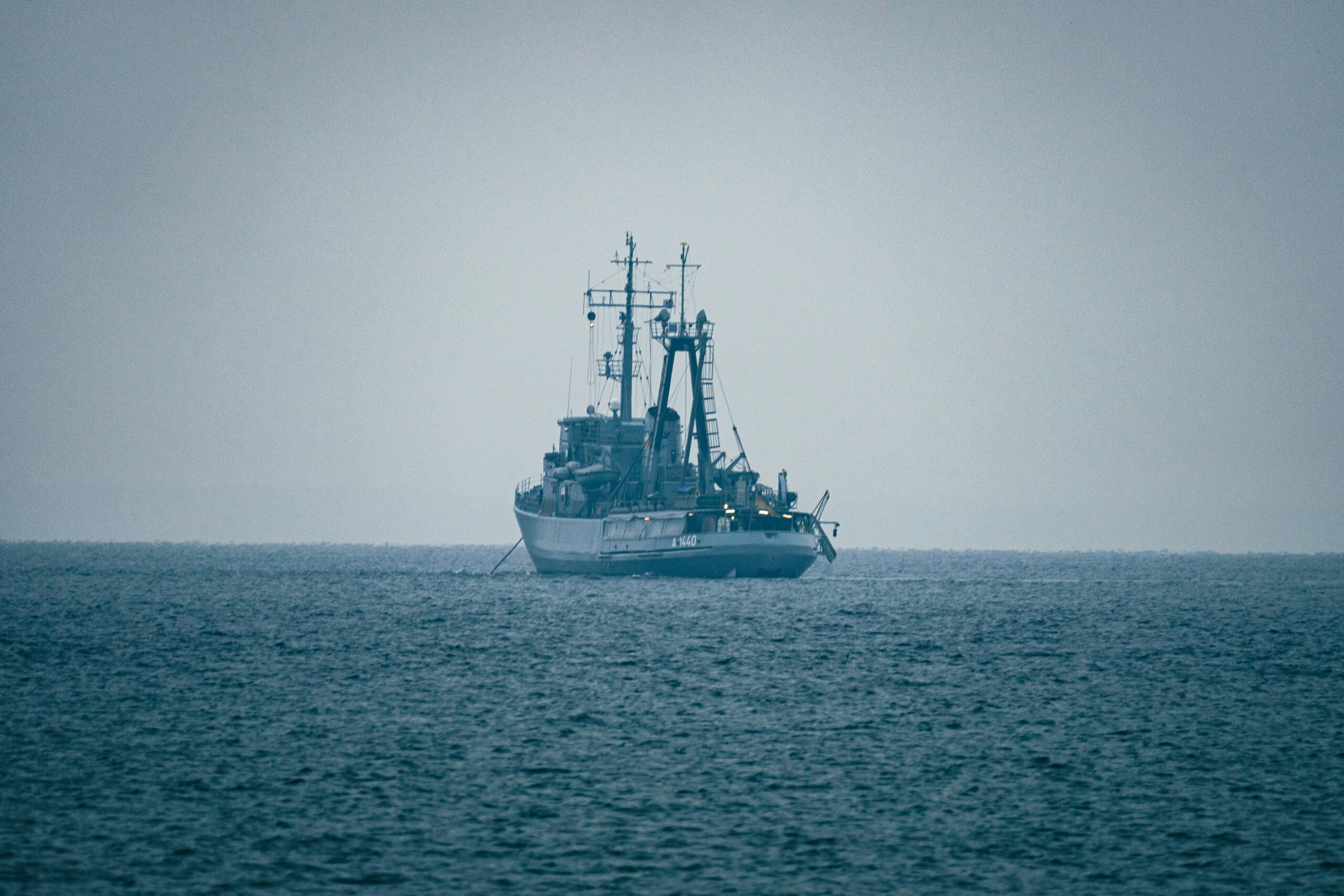

Iran has set a series of stringent conditions for reopening the Strait of Hormuz, while the United Arab Emirates has accused Tehran of targeting one of its vessels with a missile as negotiations over the strategic waterway remained unresolved on Saturday.
Iran’s Supreme National Security Council said the strait would remain closed until the United States changes its approach towards Tehran.
The council’s secretary, Mohammad Bagher Zolghadr, who is also a commander in Iran’s Islamic Revolutionary Guard Corps (IRGC), said the US must permanently stop threatening Iran and end its military campaign against Tehran and its regional allies.
Iran is also demanding the removal of the US naval blockade of its ports, the withdrawal of American forces from the region, compensation for damage caused during the war, the lifting of sanctions and the “unconditional” release of frozen Iranian assets.
Washington had yet to publicly respond to the demands as of Saturday. The US has been pushing for an agreement on the strait before lifting the blockade.
Under an interim agreement reached in June, discussions on sanctions, compensation and frozen Iranian assets were expected to form part of a broader final settlement.
Iranian Foreign Minister Abbas Araghchi said the two sides were nearing an agreement on navigation through the waterway, particularly on establishing a transit route.
However, he said reopening the strait depended on the resolution of other outstanding issues, accusing the US of violating the interim agreement.
Oman, which has been mediating the negotiations, said the discussions were taking place in a “positive and constructive atmosphere” while condemning attacks on vessels travelling through the strait.
Iran has effectively restricted passage through Hormuz and has pushed for users of the waterway to pay fees. Tehran has also attacked vessels it accuses of attempting to bypass its preferred navigation route.
The US has rejected the idea of Iranian tolls, although the June agreement allows Iran and Oman to discuss arrangements for the “future administration” of the waterway.
The 60-day period set for reaching a final agreement is due to expire in just over a week, although the negotiations could be extended.
Iran has also said it is close to reaching a separate agreement with Oman on the management of the strait, which lies between the two countries.
Iranian President Masoud Pezeshkian said he believed the current circumstances provided a good opportunity to reach an agreement.
“There is cohesion, strength, and unity in the country, and as far as I know, Iran is considered victorious and powerful in this war,” Iranian news agencies quoted him as saying.
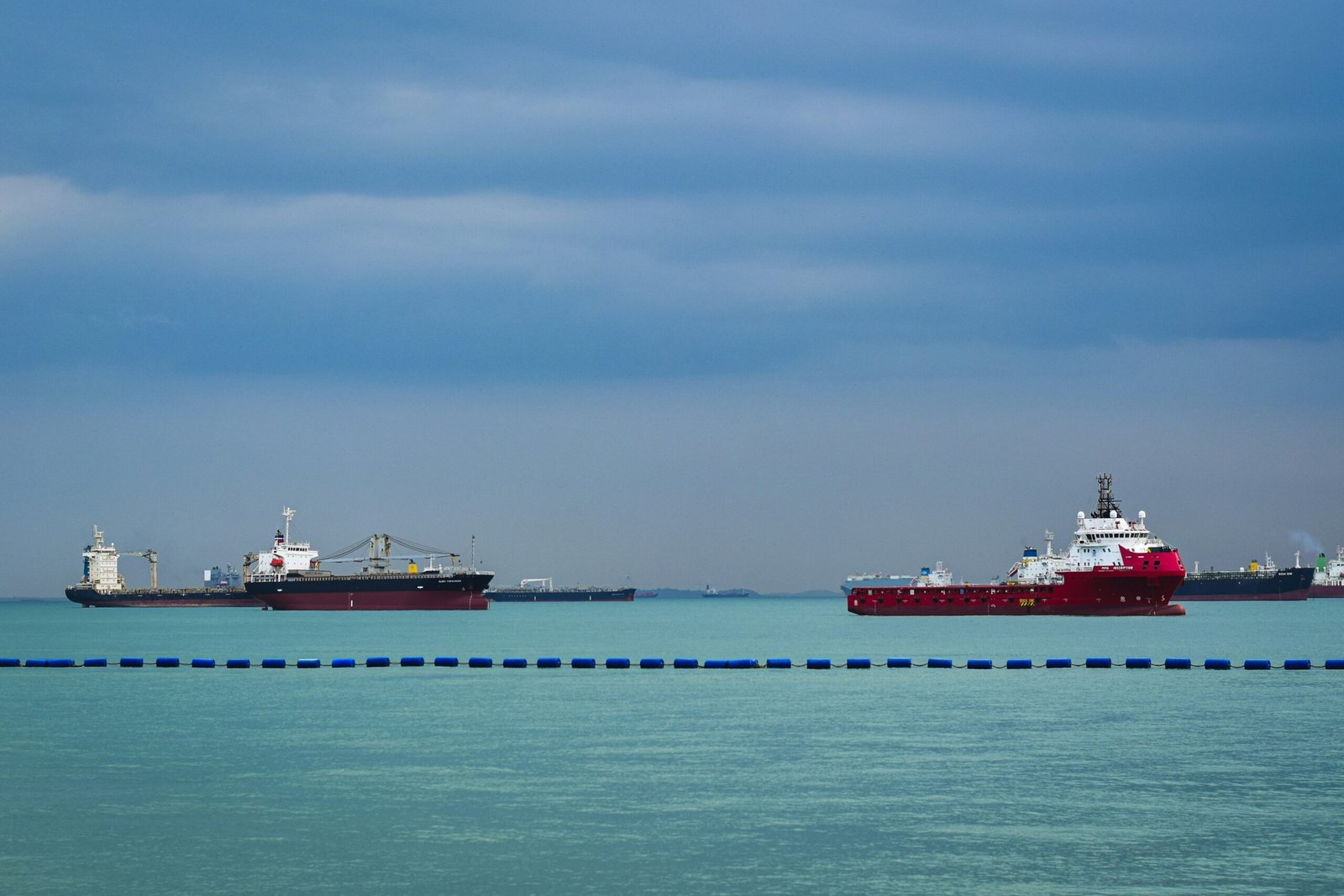
The Strait of Hormuz is a crucial passage for global oil and natural gas supplies. Before the conflict, it was regarded as an international waterway, but commercial shipping through the route has fallen sharply since the war began.
UAE Ship Targeted
Meanwhile, Emirati authorities said an oil vessel owned by Abu Dhabi’s state-owned Adnoc was attacked while travelling through the Strait of Hormuz on Saturday.
The UAE Foreign Ministry said Iran had fired a missile at the vessel as part of attacks on commercial shipping.
Adnoc said nobody was injured in the incident, which occurred early on Saturday. The company added that more than a dozen of its vessels had come under missile or drone attacks while transiting Hormuz since the US and Israel launched their war against Iran in February.
According to Adnoc, one crew member has been killed and 20 others injured in the attacks.
The company did not provide details about the precise location of Saturday’s incident or whether the vessel sustained damage.
The UK Maritime Trade Operations centre separately reported that a vessel east of Khasab in Oman had been struck by a projectile, resulting in a fire that was later extinguished. The vessel and its crew were reported safe.
It was not immediately established whether the vessel involved in that incident was the Adnoc ship.