
The Middle East is teetering on the edge of a total infrastructure collapse following a chilling 48-hour ultimatum from the White House, on Sunday, March 22, 2026, Iran threatened to retaliate by “irreversibly destroying” the energy and water systems of its Gulf neighbors if President Donald Trump follows through on his vow to “obliterate” the Iranian power grid.
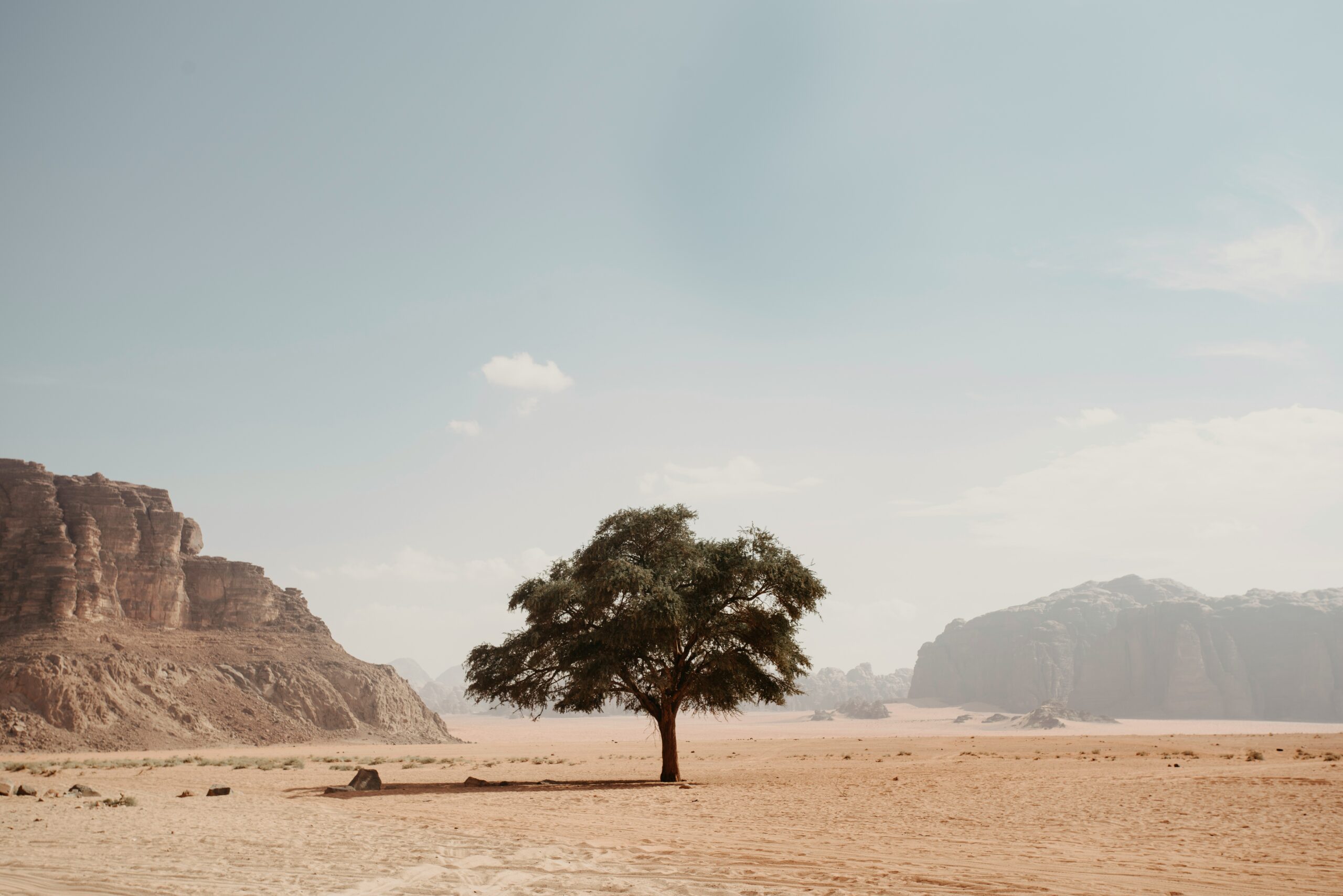
This move effectively places a “ticking time bomb” over global markets, as any strike on Gulf desalination plants would instantly turn some of the world’s most modern cities into a waterless desert.
The 48-Hour Ultimatum
The latest escalation began when President Trump posted a social media ultimatum at 7:45 p.m. EDT on Saturday. He demanded that Tehran fully reopen the Strait of Hormuz within 48 hours or face the total destruction of its electricity infrastructure, starting with its largest power plants.
While striking Iranian power could cripple Tehran’s command centers, Iran’s counter-threat targets a much more vulnerable dependency. Gulf nations like Saudi Arabia, Kuwait, and the UAE rely on seawater purification for nearly all their drinking water. Iranian Parliament Speaker Mohammad Baqer Qalibaf warned that if Iran goes dark, the entire region’s desalination and IT infrastructure will be targeted next. The Revolutionary Guards confirmed that the Strait, a transit point for a fifth of global oil, will remain closed until every destroyed Iranian power plant is rebuilt.
Markets and Alliances Under Strain
As the war enters its fourth week, the economic fallout is reaching 1970s-level crisis proportions. Oil prices ended Friday at four-year highs, and European gas prices have already spiked by 35%.
Analysts expect stock markets to plummet when they reopen on Monday morning due to the “elevated uncertainty” of Trump’s 48-hour window. A new Reuters/Ipsos poll shows that 59% of Americans now disapprove of the strikes against Iran, making the war a massive political liability for the administration ahead of the November elections.
The Israel-Lebanon
The conflict has spilled over into a bloody ground war in Lebanon, with Israel ordering the demolition of “frontline villages” and destroying bridges over the Litani River to thwart Hezbollah.
The End of “Habitable” Desert Cities?
From my perspective, this is no longer just a war over oil or nuclear enrichment; it has become a war over the basic biological necessity of water. By threatening the desalination plants of the Gulf, Iran is utilizing a “scorched earth” (or rather, “parched earth”) strategy that could trigger one of the largest humanitarian disasters in history.
Trump’s pivot from “winding down” the war to “obliterating” power plants in less than 24 hours suggests a chaotic shift in strategy. With the USS Boxer and heavy landing craft still steaming toward the region, the next 48 hours will determine if the Middle East remains a global energy hub or becomes a graveyard of “irreversibly destroyed” infrastructure.