
The numbers came in better than anyone expected. Inflation cooled. Growth surged. For one moment, the city-state looked like it had escaped the global storm.
But the storm is not over. It is just gathering strength somewhere else.
Singapore on Monday reported a lower-than-expected rise in consumer prices for April at 1.8%, below the 2% forecast. Core inflation — stripping out private transport and accommodation — came in at 1.4%, well under the 1.7% economists had predicted. The reading was described as “a mild positive surprise.”
Then came the revision. Singapore sharply raised its first-quarter GDP growth to 6%, up from the advanced estimate of 4.6% and well above the 5.1% Reuters poll had expected. The economy is growing faster than anyone thought. Prices are rising more slowly than anyone feared.
On the surface, Singapore is winning.
The Warning Buried in the Numbers
But the country’s trade ministry and monetary authority were not celebrating. In a joint statement, they warned that imported cost pressures were expected to pick up and broaden in the months ahead. The reason? The Middle East.
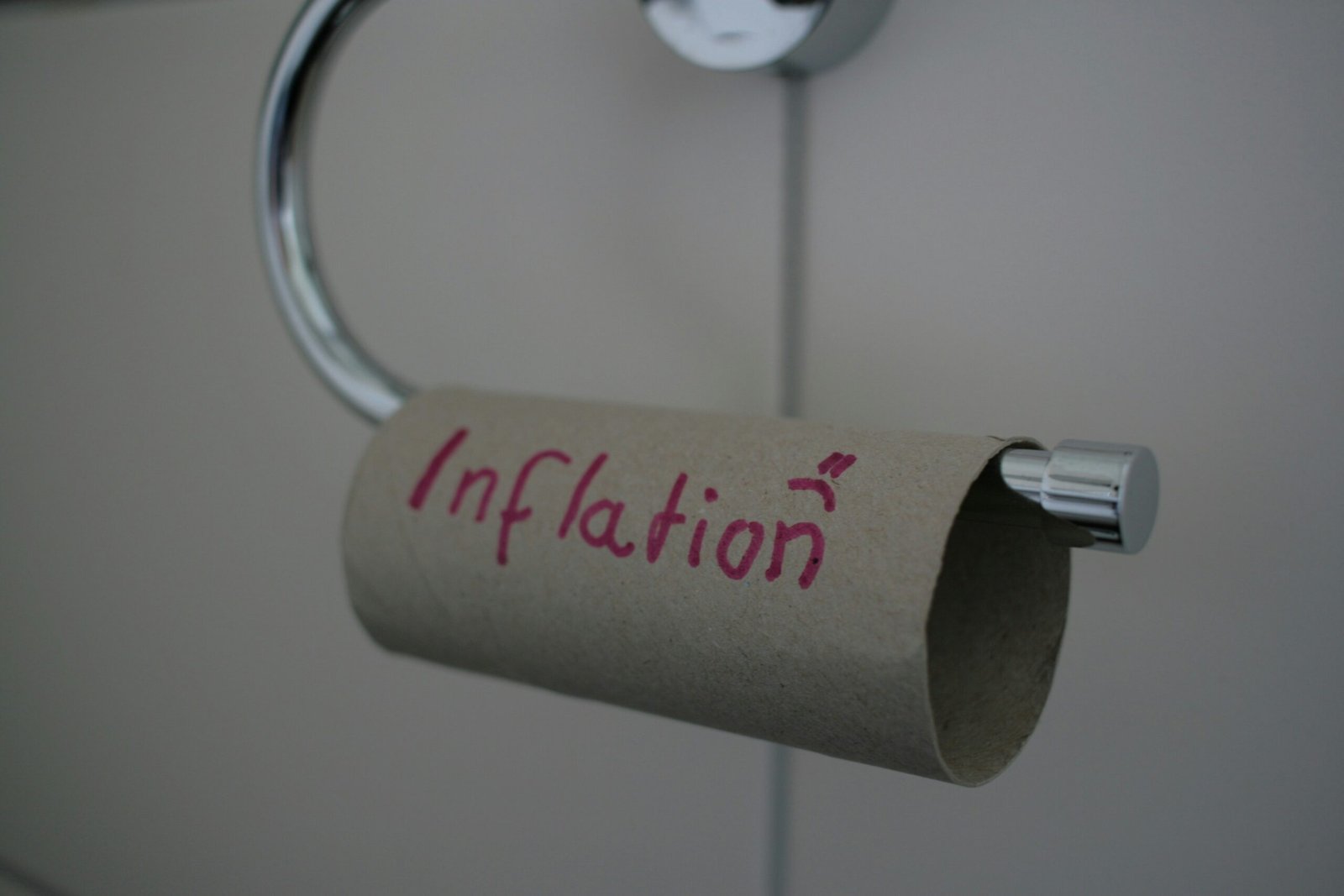
“As higher energy and other input costs arising from the developments in the Middle East pass through global supply chains, they will raise production and transport costs for a wider range of Singapore’s imported goods and services,” the authorities said.
The war in Iran. The blockade of the Strait of Hormuz. The disruption of global oil supplies. Singapore does not produce its own energy. It imports almost everything. And the Strait of Hormuz — through which a fifth of the world’s oil passes — is effectively a war zone.
For now, the numbers are good. But the authorities are warning that the worst is yet to come.
The Iran Factor
The Monetary Authority of Singapore expects headline and core inflation to come in at 1.5% to 2.5% for the full year of 2026. That forecast assumes the Middle East situation does not deteriorate further. If it does, those numbers will rise.
Zavier Wong, market analyst at trading platform eToro, noted that with peace talks in the Middle East appearing to progress and oil prices dipping recently, there was a “credible path to some imported cost relief” later this year. But that is an if. Peace talks have broken down before. Oil prices have spiked before. The strait has been closed and reopened and closed again.
Singapore’s economy is tied to global trade. Global trade is tied to the Strait of Hormuz. And the Strait is tied to the war in Iran. The country’s full-year growth forecast of 2% to 4% for 2026 comes with an invisible asterisk: *assuming the strait does not close permanently.
What Singapore Is Doing
The Monetary Authority of Singapore tightened its monetary policy in April for the first time in about three years due to the inflation outlook. Unlike most nations, Singapore does not use interest rates. Instead, it guides the Singapore dollar within a policy band against a trade-weighted basket of currencies. The precise levels are not disclosed. The message is: we are watching, and we are ready to act.
But monetary policy cannot lower oil prices. It cannot reopen the Strait of Hormuz. It cannot stop a war.
Singapore’s economy is in excellent shape today. The question is whether it can stay that way if the Iran war escalates.
The Bottom Line
Singapore reported April inflation at 1.8%, below expectations. Core inflation came in at 1.4%, also below the forecast. First-quarter GDP was revised sharply higher to 6%. The numbers are good. The authorities are not celebrating.
They warned that imported cost pressures will pick up as the Iran war drives higher energy and transport costs through global supply chains. The Monetary Authority expects full-year inflation between 1.5% and 2.5%, but that depends on the Middle East. The country’s growth forecast of 2% to 4% for 2026 comes with the same condition.