Iranian airlines are facing growing disruption to their international operations after several countries moved to restrict flights following a new US sanctions policy targeting foreign businesses that maintain ties with Iran.
The United Arab Emirates announced on Thursday that all flights operated by Iranian airlines would be suspended indefinitely. The decision was announced by the UAE’s General Civil Aviation Authority and linked directly to Washington’s latest measures.
Iranian state-linked Tasnim news agency also reported restrictions affecting flights to Oman, Georgia, Azerbaijan and Baghdad in Iraq. Authorities were said to be considering Najaf as an alternative destination for some Iraqi-bound flights.
The US had warned that foreign companies dealing with Iranian airlines after September 23 would face sanctions. Washington’s stated objective is to widen the pressure on Iran’s aviation industry and potentially prevent its civilian aircraft from operating internationally.
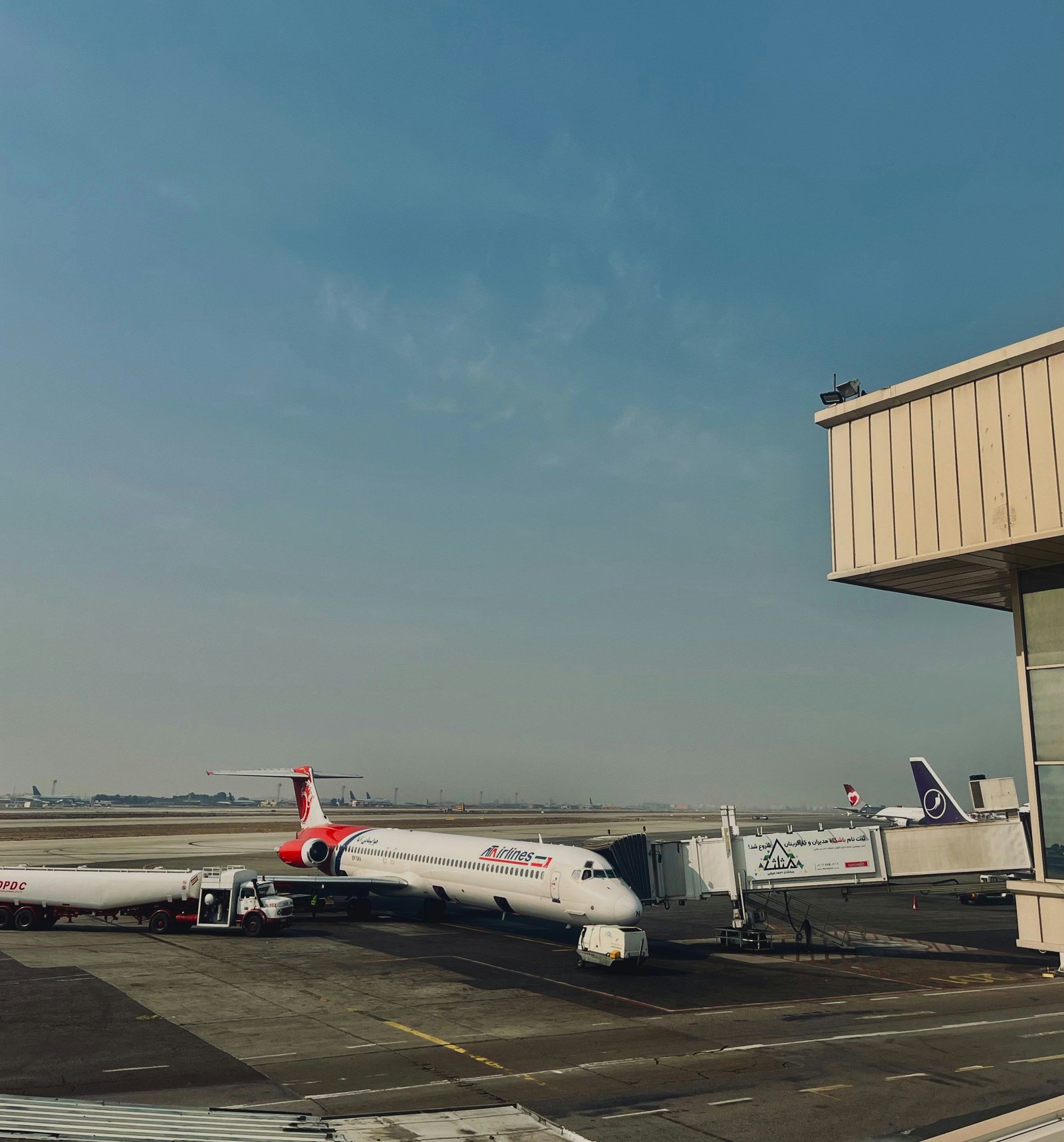
The impact was also becoming visible at Tehran’s Imam Khomeini Airport, where flights to several countries, including Afghanistan, Armenia, China, Iraq, Pakistan, Tajikistan and Turkey, remained listed.
However, scheduled services involving several Gulf states were absent from the airport’s Thursday listings, highlighting the growing restrictions on Iran’s links with neighbouring countries.
Tehran has warned that the enforcement of the US measures could trigger further regional tensions. A senior Iranian official said on Wednesday that airports in countries that complied with the American restrictions could be made “unusable”.
The latest measures form part of a broader US effort to apply what are known as secondary sanctions. Rather than limiting penalties to Iranian companies, Washington is also targeting businesses in other countries that continue commercial dealings with Iranian entities.
US President Donald Trump previously described the approach as “economic D-Day”, signalling a major escalation in the financial pressure being placed on Tehran.
The consequences could be significant for Iran, which is already dealing with restrictions affecting its maritime trade and a wider economic crisis.
“We are living in an open-air prison,” a retired teacher in Tehran told Reuters in a text message, requesting anonymity.
Saudi Arabia Intercepts Houthi Missiles
Elsewhere in the region, Saudi Arabia reported intercepting six ballistic missiles launched by Yemen’s Houthi movement on Thursday.
The Houthis claimed responsibility for a wider barrage involving missiles and drones against Saudi targets as fighting between the group and Saudi-backed forces intensified.
Saudi authorities had issued alerts for several areas, including Mecca, Jeddah and Yanbu, the major Red Sea oil port.
“Any escalation and violations by the terrorist Houthi militia will be dealt with firmly,” the Saudi-led coalition fighting the Houthis said.
Houthi military spokesman Yahya Saree said the group had targeted military facilities in Jazan province near the Yemeni border.
According to Saree, the targets included command centres, operations rooms, weapons storage facilities, missile launch positions and military camps.
The latest attacks came amid an expanding conflict in Yemen, where the Houthis have continued to confront the Saudi-backed government.
Government sources said their forces had also repelled Houthi attacks on a major supply route leading towards Aden, the southern port city that serves as the seat of the internationally recognised government.
The Houthis control northern Yemen, including Sanaa, and have recently expanded their hold along the Red Sea coast. Their forces have also been advancing towards the highlands surrounding Taiz.
Fighting around the Hejat al-Abd mountain pass has remained particularly significant because the route provides an important link for government forces and supplies reaching Taiz.
Further Houthi control of the Taiz-Aden road could increase pressure on government forces and restrict access to Taiz.
The United Nations said more than 700 people have been killed and thousands wounded in the latest fighting. Nearly 130,000 people have also been displaced within Yemen, while more than 3,000 others have crossed the Red Sea to seek safety in Africa.