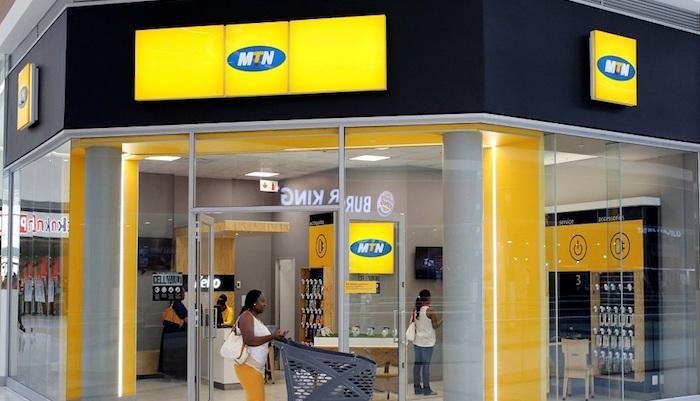

Millions of Nigerians who rely on “extra time” or “data credit” woke up to a harsh reality this week as major telcos suspended their borrowing features. While social media was flooded with rumors of a federal crackdown, the FCCPC has officially denied banning airtime borrowing, instead pointing the finger at operators who have failed to comply with the DEON Consumer Lending Regulations introduced in July 2025.
Why the Services Actually Stopped
The shutdown is not a ban but a “compliance strike.” The FCCPC revealed that the suspension is a business choice by operators who are unwilling or unable to meet new transparency standards.

- The “July 2025” Deadline: Operators were given 90 days starting in July last year to regularize their structures. This was extended to January 5, 2026, yet several major players still failed to comply.
- Hidden Fees and Aggression: The new regulations aim to stop “opaque charges” and “aggressive recovery practices” that have plagued the airtime borrowing market for years.
- Anti-Competitive Behavior: The Commission found that some telcos were using “exclusionary” third-party deals to keep local fintech players out of the credit market, a direct violation of the 2018 Competition Act.
The “Disinformation Campaign”
The FCCPC has taken the unusual step of accusing “vested interests and foreign collaborators” of spreading fake news about a government ban to stir up public anger against the new reforms.
Director of Corporate Affairs, Ondaje Ijagwu, stated clearly: “The Commission has not prohibited airtime borrowing… Nigerians deserve accurate information, not sensational claims. The regulator insists that any disruption is purely the fault of the telcos for ignoring multiple warnings and extensions.
What This Means for the Consumer
For the average subscriber, the “truth” is a double-edged sword. While the FCCPC is trying to protect users from hidden deductions, the immediate result is the loss of a vital financial safety net.

In a country where digital lending is a lifeline, the loss of these services, even temporarily, impacts millions who use “borrowed” airtime for emergency calls or business internet. Services are expected to remain offline until MTN, Airtel, and others fully register their lending products and prove they are following fair pricing and data protection safeguards.
As the standoff between the FCCPC and the telecom giants continues, the power has shifted to the operators. They must now choose between losing revenue from credit services or opening their books to the scrutiny of the “Economic Fury” style regulations of the Nigerian market.