A ceasefire agreement has been signed. Israel and Lebanon have committed to halting hostilities. The United States helped broker the deal.
But within 48 hours, Israeli airstrikes were still hitting southern Lebanon. And the entire agreement hinges on one question: Will Hezbollah comply?
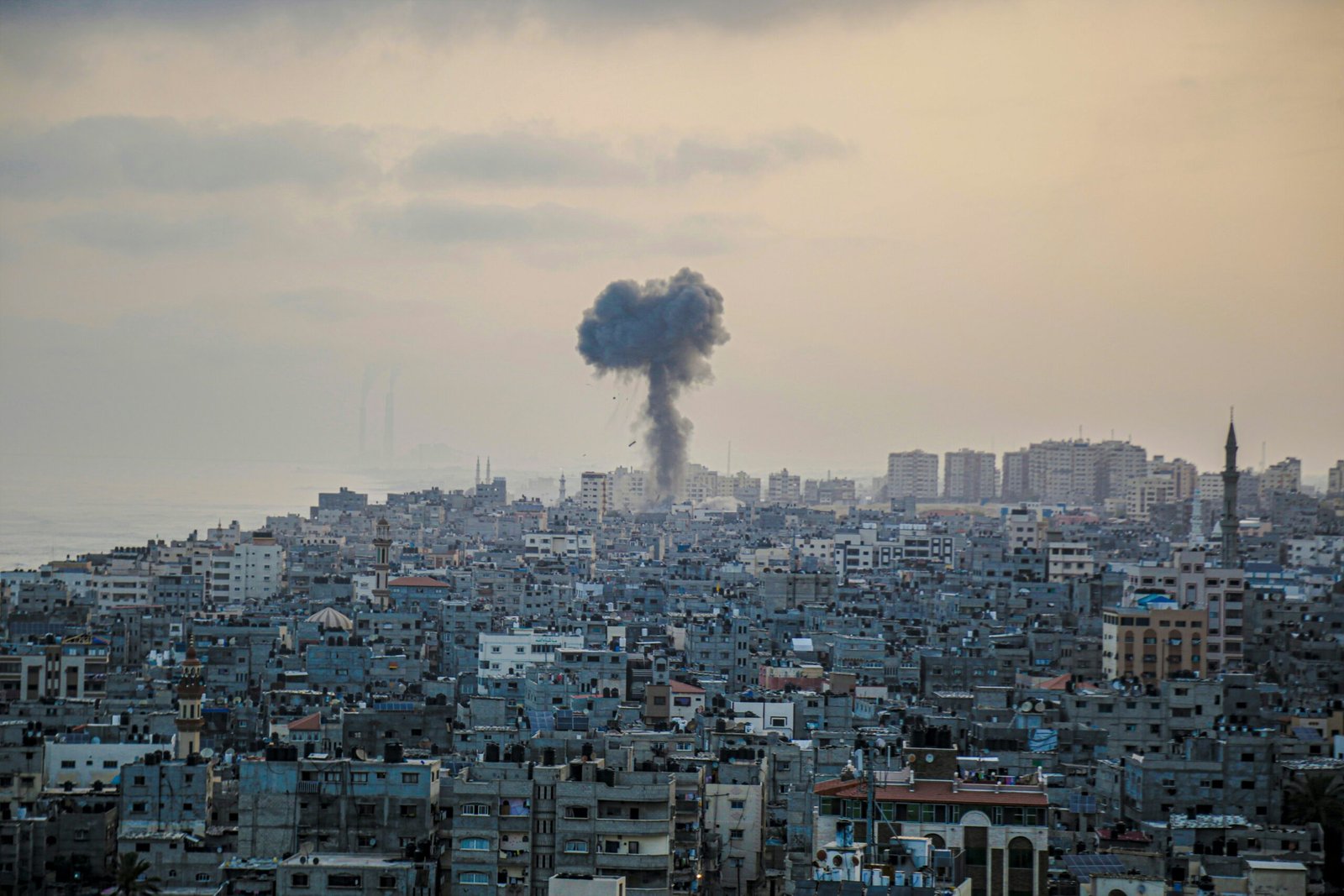
Axios reported on Wednesday that Israel and Lebanon have agreed to a full ceasefire, conditioned on steps taken by the Iran-backed militant group Hezbollah. The agreement was signed on Monday. Yet a photo caption from the Axios report notes that “a plume of smoke rises over the town of Kfar Tebnit in southern Lebanon following an Israeli airstrike carried out Wednesday despite a ceasefire agreement having been signed Monday.”
What the Ceasefire Requires
The reported agreement is not between Israel and Hezbollah directly — Israel does not recognize the group as a negotiating partner. Instead, the deal is between Israel and the Lebanese state, with the understanding that Lebanon will ensure Hezbollah complies with the terms.
Those terms have not been fully disclosed. But past ceasefire proposals have included demands that Hezbollah withdraw its forces from the border area, stop cross-border rocket attacks, and allow the Lebanese army to take control of southern Lebanon.
Hezbollah has not publicly committed to any of these conditions. And without Hezbollah’s cooperation, the Lebanese state has little ability to enforce them.
The Airstrike Question
The reported Israeli airstrike on Wednesday — two days after the ceasefire was signed — suggests that Israel is not waiting to see if Hezbollah will comply. Israel is signaling that it will continue to target what it sees as threats, regardless of what papers have been signed.
Hezbollah, for its part, has not announced any pullback from the border. Rocket attacks have not stopped entirely. The ceasefire is not a peace treaty. It is a conditional pause — and the conditions have not yet been met.
The US Role
The United States has been the primary mediator between Israel and Lebanon. The Biden administration — and now the Trump administration — has invested significant diplomatic capital in preventing a full-scale war on Israel’s northern border. A full-blown Israel-Hezbollah war would dwarf the current conflict in Gaza in terms of casualties and destruction.
The US has leverage over Israel, providing billions of dollars in military aid each year. The US has less leverage over Hezbollah, which is backed by Iran and does not answer to Washington. The success of the ceasefire depends almost entirely on whether Iran decides to restrain its proxy.
The Bottom Line
Israel and Lebanon have agreed to a full ceasefire, conditioned on steps by Hezbollah. But Israeli airstrikes continued after the agreement was signed, and Hezbollah has not publicly committed to withdrawing from the border. The US-brokered deal hangs in the balance. The question is not whether papers were signed. The question is whether Hezbollah — and Iran — will decide to honor them.
If they do, the border may quiet. If they do not, the ceasefire will join the long list of failed agreements between Israel and its northern neighbor.